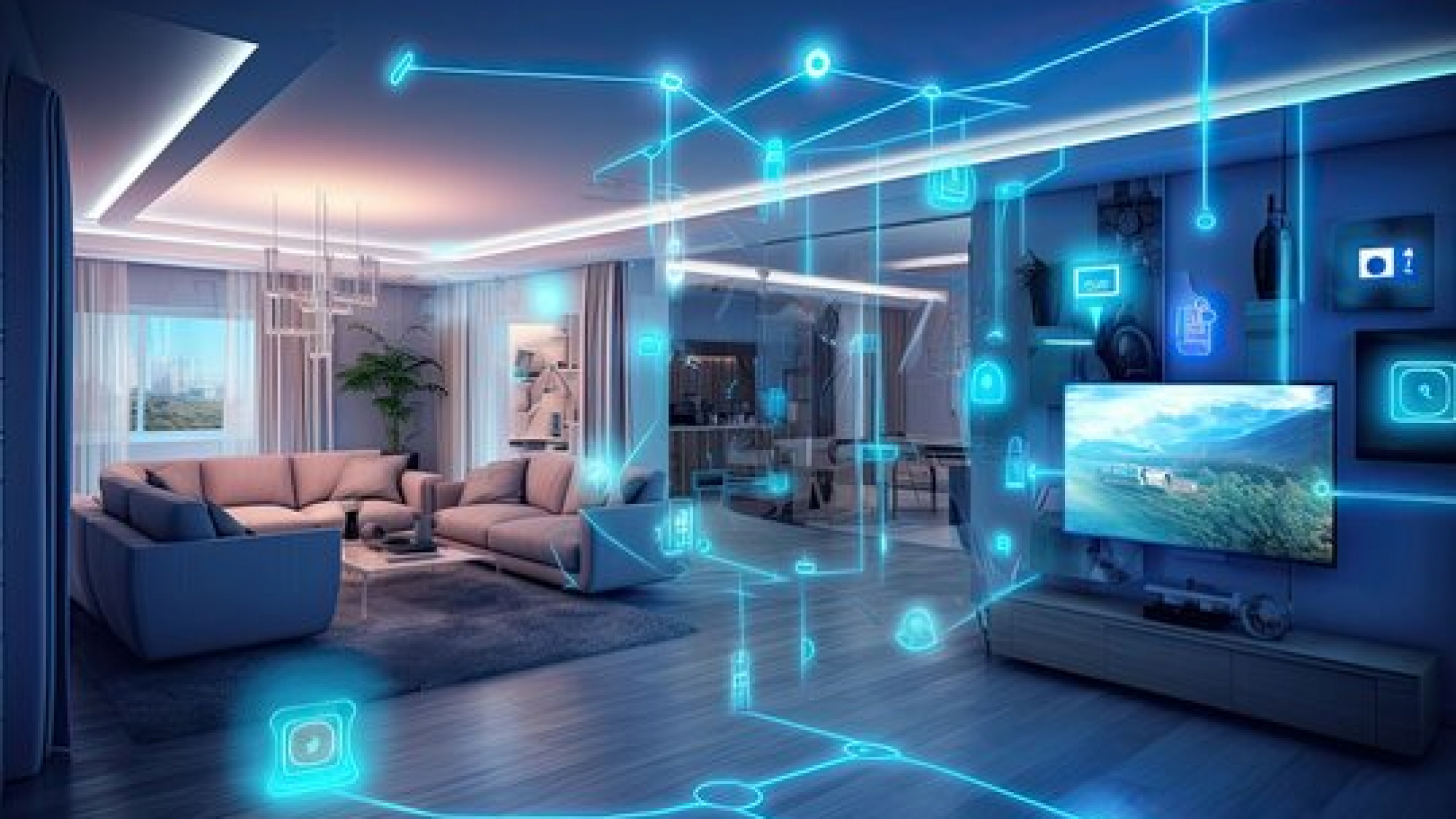
In 2025, the world of Smart Home technology is evolving faster than ever before. As artificial intelligence, automation, and connectivity continue to advance, homes are becoming more efficient, secure, and intuitive. From energy management to health monitoring and entertainment systems, the modern Smart Home is redefining how we live, work, and interact with our environment. Deep Dive Picks explores the latest innovations shaping the future of Smart Home technology and how these trends are transforming everyday living.
Understanding the Evolution of the Smart Home
The concept of the Smart Home started with simple automation — thermostats that adjusted to our preferences or lights that responded to motion. But in 2025, the Smart Home has become an ecosystem where devices communicate, learn, and adapt to human behavior. The integration of AI, IoT (Internet of Things), and cloud computing allows homes to anticipate needs before we even express them. This evolution marks a shift from reactive automation to predictive intelligence.
The Rise of AI-Powered Automation
Artificial intelligence is the driving force behind the modern Smart Home. In 2025, AI assistants like Alexa, Google Assistant, and Siri are more than voice-activated tools; they act as personalized home managers. They analyze habits, detect patterns, and adjust environmental settings to maximize comfort and efficiency. For instance, a Smart Home can now recognize when you’re about to wake up and automatically start brewing your coffee, open the blinds, and set the ideal temperature.
The Internet of Things (IoT) Revolution
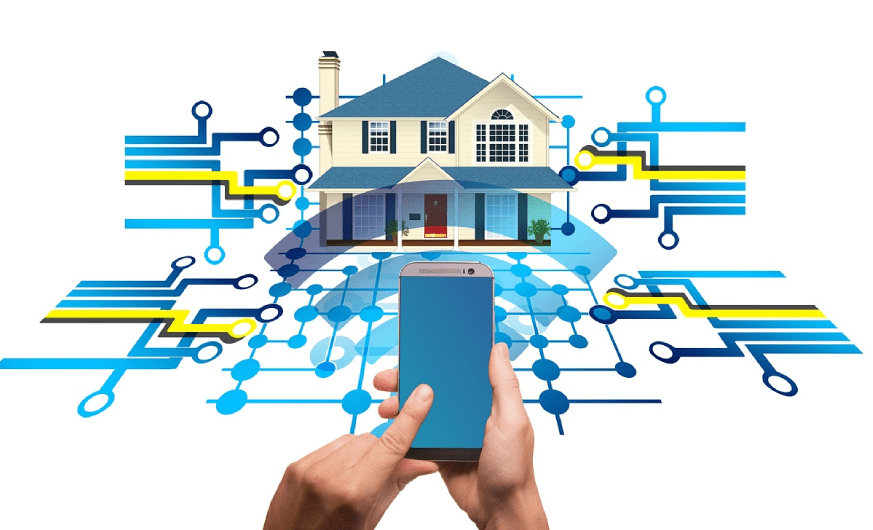
IoT connects every component of the Smart Home — from refrigerators and washing machines to security cameras and entertainment systems. These devices communicate through centralized hubs, allowing seamless control via smartphone or voice command. In 2025, IoT integration will go beyond convenience. It will enable predictive maintenance, where appliances alert homeowners before issues arise, reducing downtime and saving costs. The Smart Home of the future is one that thinks ahead.
Key Innovations Defining the Smart Home in 2025
Technology companies are pushing boundaries to redefine what it means to live in a Smart Home. Here are the most promising innovations shaping the future.
1. Enhanced Home Security Systems
Security remains a top priority for Smart Home owners. The latest systems in 2025 incorporate biometric verification, facial recognition, and AI-driven threat detection. Unlike traditional alarms, modern Smart Home security solutions can distinguish between family members, pets, and strangers. Real-time monitoring with end-to-end encryption ensures your privacy and safety are never compromised.
2. Energy-Efficient Smart Grids
Sustainability is at the heart of every Smart Home innovation. Intelligent energy grids now connect your home to local power sources and renewable energy systems like solar panels. AI algorithms optimize consumption, automatically reducing usage during peak hours. In 2025, Smart Home devices will even trade excess solar energy with neighbors through blockchain-based platforms, creating a decentralized and eco-friendly energy market.
3. Voice and Gesture Control Integration
While voice commands have become mainstream, gesture recognition is the next big leap in Smart Home interaction. Using motion sensors and AI vision technology, users can control lighting, music, and temperature with simple hand movements. This hands-free experience enhances accessibility and brings a futuristic feel to daily living.
4. Smart Health Monitoring
Health and wellness are increasingly integrated into Smart Home ecosystems. From sleep tracking beds to AI-assisted air purifiers and smart toilets that analyze health metrics, the Smart Home is becoming a personal wellness hub. In 2025, these devices work together to provide comprehensive health insights, alerting users and medical professionals about potential health concerns before symptoms escalate.
5. Immersive Entertainment Systems
The modern Smart Home isn’t just functional—it’s entertaining. High-definition projectors, surround sound systems, and immersive AR/VR setups are becoming household staples. In 2025, entertainment will be seamlessly integrated with daily routines. Your Smart Home can dim the lights for movie night, adjust audio levels based on ambient noise, and sync media preferences across multiple rooms.
How Artificial Intelligence is Transforming the Smart Home
AI is the backbone of every Smart Home innovation. By learning user habits, AI systems make automated decisions to improve comfort, efficiency, and safety. Predictive AI ensures your home adapts to you rather than the other way around. For example, if your schedule changes, your Smart Home automatically adjusts lighting, heating, and appliance settings accordingly.
Machine learning enhances personalization by creating behavioral models unique to each household. Over time, your Smart Home becomes an intelligent companion that evolves with your lifestyle. Whether it’s recognizing your preferred lighting for relaxation or managing energy during your absence, AI ensures a seamless and adaptive experience.
Sustainability and the Eco-Friendly Smart Home
Sustainability is no longer optional; it’s essential. The Smart Home of 2025 will focus heavily on reducing environmental impact. Smart thermostats, energy-efficient lighting, and automated irrigation systems are becoming more advanced. They help conserve water and energy while maintaining comfort and convenience.
Homes equipped with solar-integrated roofs and energy storage systems can operate independently from traditional power grids. Additionally, Smart Home waste management systems can sort and process recyclable materials autonomously. The future of the Smart Home is as green as it is intelligent.
The Role of Connectivity in the Modern Smart Home
Connectivity is the foundation of any Smart Home ecosystem. 5G and upcoming 6G networks are providing faster, more reliable connections for millions of smart devices. In 2025, latency-free communication will enable real-time interactions across all Smart Home components.
Mesh Wi-Fi systems further enhance coverage, ensuring every device — from garage sensors to garden lights — operates seamlessly. With cloud connectivity and edge computing, data processing happens locally, improving response times and maintaining privacy.
The Future of Smart Home Design and Architecture
The architecture of homes is evolving alongside technology. Builders are now designing homes with Smart Home integration in mind, embedding sensors, hubs, and automation frameworks into the structure itself. This built-in intelligence enhances efficiency and convenience while maintaining aesthetic appeal.
Modern interior design also embraces the Smart Home concept, blending technology seamlessly into the living environment. Minimalist panels, hidden wiring, and multifunctional furniture make the Smart Home both beautiful and practical.
Privacy and Security Challenges in the Smart Home
While Smart Home technology offers convenience, it also raises privacy concerns. With devices constantly collecting data, ensuring security has become crucial. Manufacturers are prioritizing cybersecurity through encrypted communication, multi-factor authentication, and local data processing.
In 2025, Smart Home platforms will focus on transparency, allowing users to control what data is shared and stored. Regular software updates and AI-powered threat detection systems will help prevent cyberattacks, keeping your Smart Home safe from unauthorized access.
Integration with Wearable Technology
The boundary between wearable tech and Smart Home systems is blurring. Smartwatches, fitness trackers, and AR glasses can now interact directly with home environments. Imagine walking into your house and your Smart Home adjusting the lighting and temperature based on your heart rate or mood detected by your wearable.
This integration creates a holistic ecosystem that aligns personal wellness with environmental comfort. It’s a perfect example of how the Smart Home adapts not just to external factors but to you as an individual.
The Rise of Subscription-Based Smart Home Services
As the Smart Home market matures, subscription-based models are becoming increasingly popular. Homeowners can subscribe to premium AI services, advanced security features, and continuous software upgrades. This ensures that Smart Home systems remain up-to-date and adaptable without the need for constant hardware replacement.
Subscription models also make advanced Smart Home solutions more accessible, allowing users to customize their systems according to their needs and budgets.
The Future of the Smart Home Ecosystem
Looking ahead, interoperability will be the defining feature of the 2025 Smart Home. Different brands and platforms are working toward universal standards that allow devices to communicate effortlessly. Matter, an open-source connectivity standard, is a major step toward this goal, ensuring compatibility across various ecosystems.
Ultimately, the Smart Home will evolve into an integrated, intelligent environment where every device contributes to a seamless, adaptive lifestyle. From autonomous cleaning robots to emotion-aware lighting, the Smart Home of 2025 will make daily living more comfortable, efficient, and secure.
Conclusion
The Smart Home revolution is only beginning. In 2025, technology will bring us closer to fully autonomous living environments that enhance convenience, sustainability, and security. As AI, IoT, and automation converge, the Smart Home will become a central part of modern life—offering not just smart devices, but truly intelligent living experiences. Deep Dive Picks will continue to explore the cutting-edge innovations shaping the future, helping you stay informed and ready for what’s next in the Smart Home world. Find everything you need to know on our main site.
Frequently Asked Questions
1. What is a Smart Home?A Smart Home uses interconnected devices and AI technology to automate and control various aspects of daily living, such as lighting, temperature, and security, through smartphones or voice commands.
2. Are Smart Homes secure?Yes, modern Smart Home systems use encrypted connections, biometric authentication, and AI-based threat detection to enhance privacy and protect user data from cyber threats.
3. How can Smart Homes save energy?A Smart Home optimizes energy use through AI-driven thermostats, lighting automation, and smart grids that reduce consumption during peak hours while integrating renewable sources.
4. What trends will shape Smart Homes in 2025?The biggest Smart Home trends in 2025 include AI-powered automation, energy-efficient systems, health monitoring, gesture control, and stronger connectivity through 5G and 6G networks.
5. Are Smart Homes affordable for average consumers?Yes, with technological advancements and subscription-based models, Smart Home devices have become more affordable and accessible to mainstream homeowners and renters alike.