
Understanding the Importance of High-Quality Roofing Solutions
Roofs are often among the most overlooked elements of residential and commercial structures, yet they play a crucial role in protecting what’s beneath them. Investing in high-quality roofing solutions ensures longevity and aesthetics while minimizing future costs. This article delves into why quality matters in roofing, highlights common issues with poor-quality roofs, and outlines the long-term benefits of investing in superior materials.
Why Quality Matters in Roofing
Quality in roofing cannot be overstated. A solid roof not only acts as a shield against weather elements but also contributes significantly to a building’s energy efficiency and overall value. Poor-quality roofs can lead to frequent repairs, insufficient insulation, and a shorter lifespan, ultimately costing homeowners and businesses more in the long run.
Common Challenges with Poor Quality Roofing
There are numerous challenges associated with opting for poor-quality roofing materials. Some of these include:
- Leaking: Inferior roofing may not seal properly, leading to roof leaks that cause water damage inside the building.
- Rapid Deterioration: Low-quality products suffer from quicker wear and tear due to inadequate materials or construction methods.
- Poor Insulation: A roof that uses lesser-grade materials may lack the necessary insulation, leading to increased heating and cooling costs.
Long-term Benefits of Investing in Quality
Investing in high-quality roofing solutions mitigates the risks associated with poor roofing materials and installation. Some benefits include:
- Enhanced Durability: Quality materials can withstand harsh weather conditions, preventing frequent repairs.
- Energy Efficiency: Proper insulation options can lead to reduced energy bills.
- Increased Property Value: A well-maintained, high-quality roof can enhance the market value of a property.
Different Types of High-Quality Roofing Solutions Available
When it comes to high-quality roofing, there are several materials to consider, each with its unique characteristics, advantages, and drawbacks. Understanding these options is vital in making an informed decision tailored to your specific needs.
Metal vs. Asphalt: Which is Best?
Metal roofing has gained popularity in recent years for its durability and energy efficiency. It can last up to 50 years or more with minimal maintenance. In contrast, asphalt shingles, while common and cost-effective, may only last 20-30 years but offer a myriad of styles to fit various aesthetic preferences. When choosing between the two, consider factors such as cost, longevity, energy efficiency, and personal tastes.
Exploring Eco-Friendly Roofing Options
Homeowners today increasingly seek eco-friendly roofing solutions. Options such as green roofs, solar tiles, and recycled roofing materials not only reduce environmental impact but can also improve energy efficiency. Green roofs, for instance, utilize plant life to insulate buildings, significantly lowering heating and cooling costs. Additionally, solar tiles can provide renewable energy, making them an attractive investment for technologically inclined homeowners.
Choosing the Right Material for Climate
When selecting roofing materials, climate plays a crucial role. For colder climates, materials such as metal or slate might be preferable due to their resilience to snow loads and ice damming. In warmer areas, tiles or shingles designed to reflect sunlight can aid in energy conservation. Understanding regional weather patterns and consulting with roofing professionals can help homeowners select materials that will perform optimally in their specific environments.
Key Features to Look for in High-Quality Roofing Solutions
Selecting the perfect roofing solution involves more than just choosing a material. Several key features will ensure the roofing system’s efficacy and long-term performance.
Durability and Lifespan Considerations
Different roofing materials offer varying levels of durability and lifespan. Metal roofs, for example, can last four to five decades with minimal maintenance, while asphalt shingles typically require replacement every 20 years. Assessing the durability of the chosen material should align with personal expectations for maintenance and repair.
Energy Efficiency Factors
Energy efficiency is an increasingly important factor in roofing decisions. Look for materials with high thermal resistance ratings or consider installing reflective materials to reduce heat gain. Energy-efficient roofs can significantly lower utility costs, making them a practical investment for eco-conscious consumers.
Warranty and Maintenance Insights
Most high-quality roofing solutions come with warranties ranging from 20 years to a lifetime, depending on the material. Always review warranty details and ask what it includes, such as coverage against wind or hail damage. Moreover, understanding maintenance requirements is essential; some materials may need professional inspections or repairs more frequently than others.
Cost Factors for High-Quality Roofing Solutions
Understanding the financial aspect of roofing can help homeowners plan better for their projects. This section will explore the costs associated with high-quality roofing solutions, starting with initial investments and moving to long-term savings.
Breaking Down the Initial Investment
The upfront cost of roofing varies based on the chosen materials and whether you’re engaging a professional for installation. On average, metal roofing can cost between $120 to $900 per square, while asphalt shingles can range from $90 to $750 per square. Although the initial investment might seem daunting, considering the long-term benefits can justify the costs.
Long-term Cost Benefits of Quality Roofing
While high-quality roofing solutions represent a higher initial cost, they can lead to significant savings over time. With less frequent replacement and lower maintenance needs, quality materials can prevent additional expenses related to leaks, energy bills, and structural damage. Homeowners should always look at total cost of ownership when deciding on roofing materials.
Financing Options for Roofing Projects
Many home improvement financing options exist for those looking to invest in quality roofing solutions. From home equity loans to specialized financing programs tailored for roofing projects, homeowners should explore various avenues to manage their budget effectively. Consulting a financial advisor can provide insights on the best approach suited to individual situations.
Installation and Maintenance of High-Quality Roofing Solutions
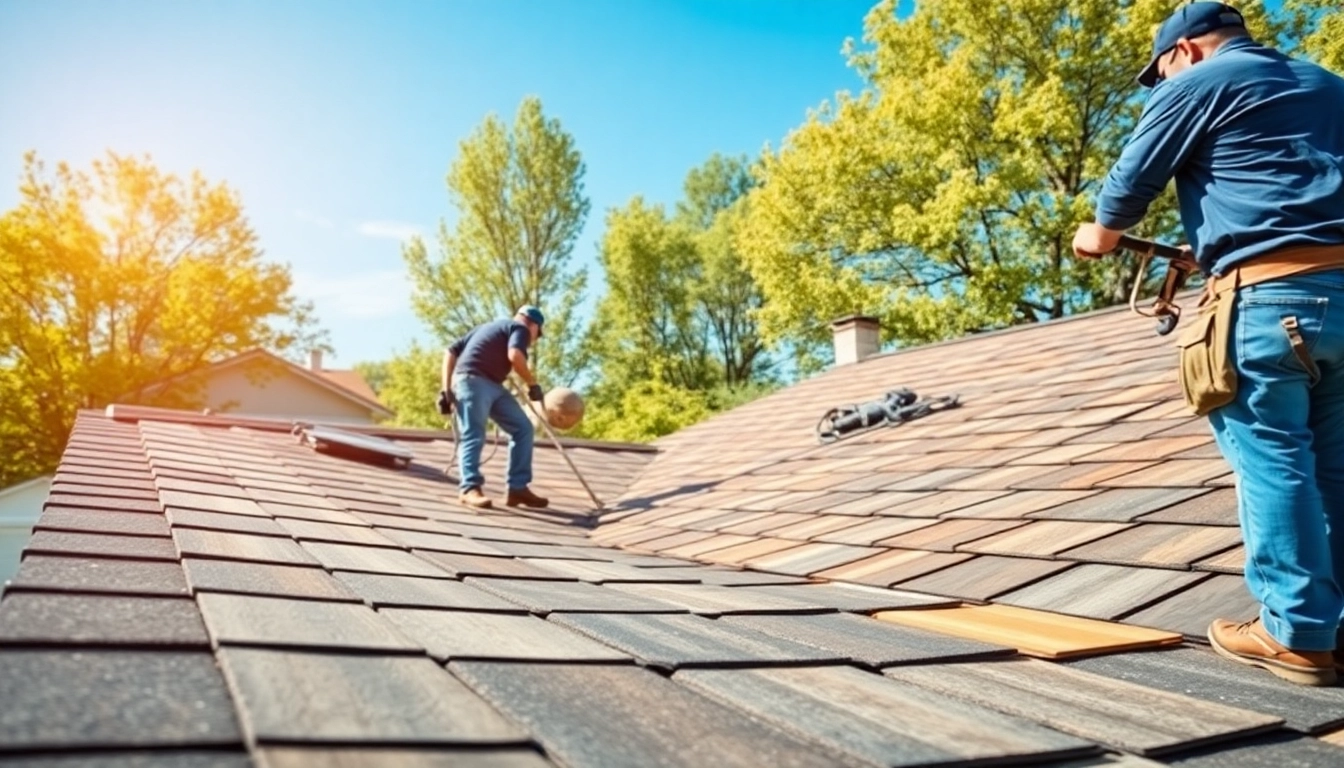
The installation process and subsequent maintenance of roofing solutions are critical aspects that determine the longevity and effectiveness of the roof. Proper installation ensures optimal performance and longevity, while consistent maintenance can prevent premature failures.
Preparing Your Home for Installation
Preparation for a roofing installation includes clearing debris around the home, ensuring that pets and plants are safe, and scheduling the work at a convenient time. Homeowners should also communicate clearly with the roofing contractors about any specific requirements or concerns prior to installation.
Post-Installation Care Guidelines
Once the roof installation is complete, homeowners should ensure to follow specific care guidelines. Regular inspections, clearing debris off the roof, and dealing with any potential issues immediately can dramatically extend the life of the roofing system. Implementing these measures ensures a robust performance for years to come.
Identifying and Addressing Repair Needs
Even the highest quality roofing may require repairs over time. Homeowners should be vigilant and regularly check for signs of damage or wear, such as missing shingles or water stains on ceilings. Promptly addressing these issues will help to mitigate damage and avoid expensive repairs down the line.