

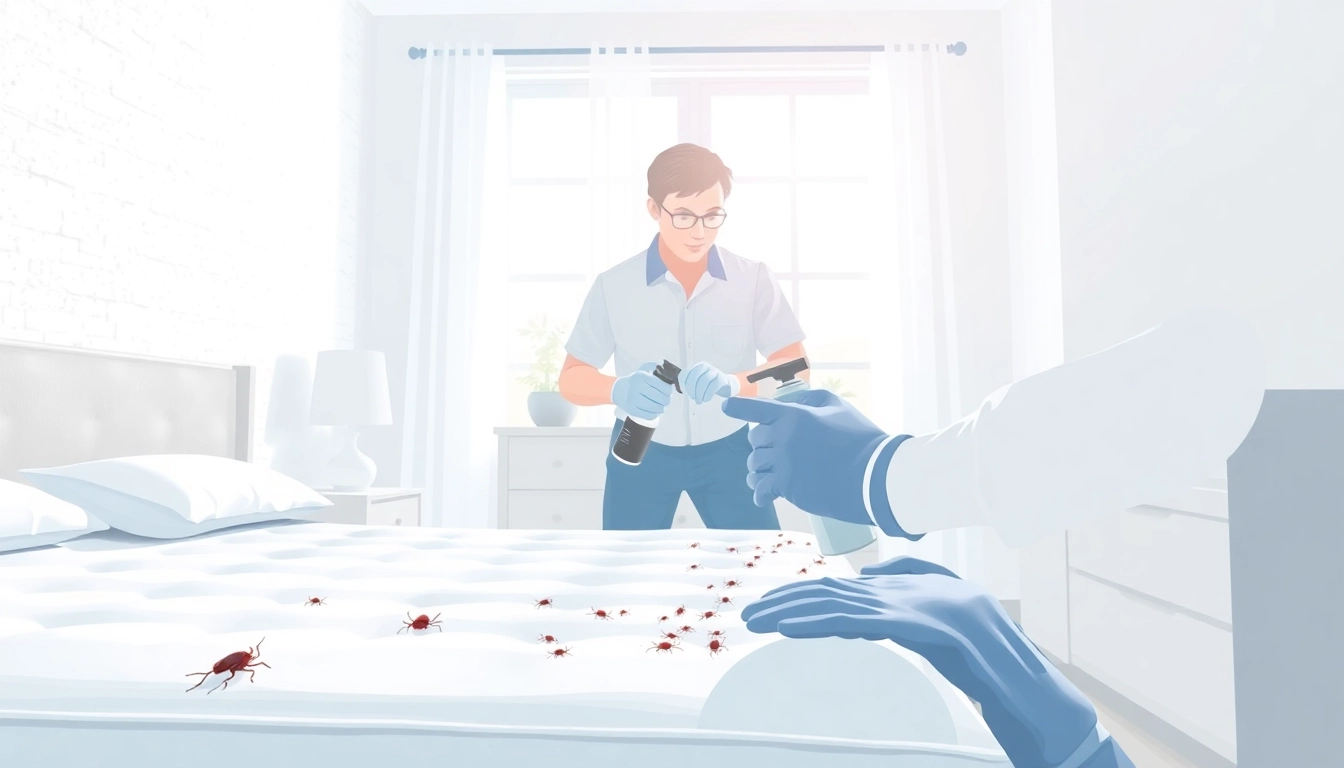
Understanding Bed Bugs and Their Behavior
What Are Bed Bugs?
Bed bugs, scientifically known as Cimex lectularius, are small, reddish-brown, wingless insects that feed on the blood of humans and animals. They are nocturnal creatures, primarily active at night when they emerge from their hiding spots to feed. Bed bugs are known for their ability to reproduce quickly, which can lead to rapid infestations if not addressed promptly.
How Bed Bugs Infest Homes
Bed bugs often hitch rides on clothing, luggage, furniture, and even the bodies of pets. They thrive in hidden locations like mattresses, box springs, bed frames, and furniture seams. Their small, flat bodies allow them to squeeze into tight spaces, making them hard to detect until an infestation occurs. Homes and apartments that have high turnover rates, such as hotels and dormitories, are particularly vulnerable to infestations.
Life Cycle of Bed Bugs
The life cycle of a bed bug consists of five nymph stages before reaching adulthood. Each stage requires a blood meal to molt to the next stage. Under optimal conditions, a bed bug can live for several months, and female bed bugs can lay up to 500 eggs during their lifetime. These eggs are often hidden in tiny crevices, making them hard to eradicate without proper intervention. Understanding their life cycle is crucial for effective bed bug control, as it emphasizes the importance of treating infested areas thoroughly.
Signs of Bed Bug Infestation
How to Identify Bed Bugs
Identifying bed bugs early can significantly impact the effectiveness of control measures. Look for the following signs:
- Appearance: Adult bed bugs are about the size of an apple seed.
- Excrement: Small rust-colored spots on bedding or furniture may indicate a bed bug presence.
- Eggs: Tiny, pearly white eggs about the size of a pinhead can be found in cracks and crevices.
Common Hiding Spots
Bed bugs are experts at hiding, which makes detection challenging. Common hiding spots include:
- Mattresses: Seams and crevices of mattresses and box springs are prime locations.
- Bed Frames: Wooden bed frames and headboards provide ample hiding spots.
- Furniture: Cracks in furniture and upholstery are often exploited by bed bugs.
- Baseboards: Gaps behind and under baseboards can serve as refuge points.
Symptoms of Bed Bug Bites
Signs of bed bug bites can vary among individuals. Typical symptoms include:
- Red Bumps: Raised and itchy welts on the skin appear shortly after being bitten.
- Linear Patterns: Bites are often clustered or arranged in a line.
- Allergic Reactions: Some individuals may experience severe reactions requiring medical attention.
Methods of Bed Bug Control
Chemical Treatments for Bed Bugs
Chemical treatments remain a common approach for managing bed bug infestations. Various insecticides target bed bugs effectively; however, it is crucial to use them according to the manufacturer’s instructions to ensure safety and efficacy. Professional pest control services often use formulations that combine fast-acting agents with residual effects to kill both active and hidden bed bugs.
Non-Chemical Approaches
Non-chemical methods can complement chemical treatments or serve as standalone options for those seeking eco-friendly alternatives. Some effective non-chemical methods include:
- Heat Treatment: Exposing infested items to high temperatures (over 120°F) can kill bed bugs and their eggs. This method is suitable for clothing, bedding, and small items.
- Freezing: Items can also be frozen for at least four days to eliminate bed bugs.
- Vacuuming: Regular vacuuming can physically remove bed bugs from surfaces, but it should be followed by sealing the vacuum bag to prevent re-infestation.
Integrated Pest Management (IPM) Strategies
Integrated Pest Management (IPM) combines various control methods for a comprehensive approach to bed bug management. This strategy includes:
- Regular Inspections: Frequent inspections for early detection are vital.
- Clear Communication: Educating inhabitants about bed bug signs and prevention methods is essential.
- Preventive Measures: Seal cracks, reduce clutter, and use protective encasements on mattresses and pillows.
DIY Tips for Effective Bed Bug Control
Home Remedies for Bed Bugs
Many homeowners prefer DIY solutions for bed bug control due to cost or personal preference. Some effective home remedies include:
- Diatomaceous Earth: This natural powder can dehydrate bed bugs when they come into contact with it.
- Essential Oils: Some oils, like tea tree and lavender, may deter bed bugs.
- Steam Cleaning: High-temperature steam can penetrate fabric and kill bed bugs.
Preparing Your Space for Treatment
Before initiating any treatment, preparation is critical. Steps to prepare your space include:
- Clearing clutter that provides hiding spaces.
- Washing bedding and fabrics in hot water.
- Vacuuming floors and surfaces thoroughly.
Preventing Future Infestations
To reduce the risk of future bed bug infestations, consider these preventive measures:
- Regularly inspect and clean your home.
- Be cautious of second-hand furniture or clothing.
- Use protective mattress encasements.
- Be vigilant when traveling; inspect hotel rooms upon arrival.
When to Seek Professional Help
Identifying the Need for Experts
While DIY methods can be effective, knowing when to call in professionals is crucial. Signs that you should consider expert help include:
- Signs of extensive infestation.
- Repeated unsuccessful attempts at DIY control.
- Severe allergic reactions to bed bug bites.
Choosing the Right Pest Control Service
When opting for professional help, ensure you choose a reliable pest control service. Look for the following attributes:
- Experience in dealing with bed bug infestations.
- Positive reviews and testimonials.
- Transparency about treatment methods and costs.
Costs Associated with Bed Bug Control Services
The costs of professional bed bug control can vary based on factors like the severity of the infestation, home size, and treatment methods. On average, homeowners can expect to spend anywhere from a few hundred to several thousand dollars for comprehensive treatment. It’s essential to assess the return on investment in terms of health and comfort reclaimed through effective pest management.
Frequently Asked Questions
What are the first signs of bed bugs?
First signs include rusty spots on sheets, a sweet musty odor, and itchy welts on your skin. Check the seams of mattresses and furniture for active bed bugs.
How long does it take to get rid of bed bugs?
Typically, complete bed bug control may require 2 to 4 treatments over a few weeks, depending on the infestation’s severity and the methods employed.
Can bed bugs live in mattresses?
Yes, bed bugs commonly hide in the seams and folds of mattresses, box springs, and bed frames, emphasizing the need for thorough inspections.
What is the best way to prevent bed bugs?
To prevent bed bugs, regularly inspect sleeping areas, minimize clutter, and exercise caution while traveling by checking hotel beds for signs of infestation.
Is DIY bed bug control effective?
Some DIY methods may provide temporary relief, but they are often less effective than professional pest control, particularly for severe infestations.