

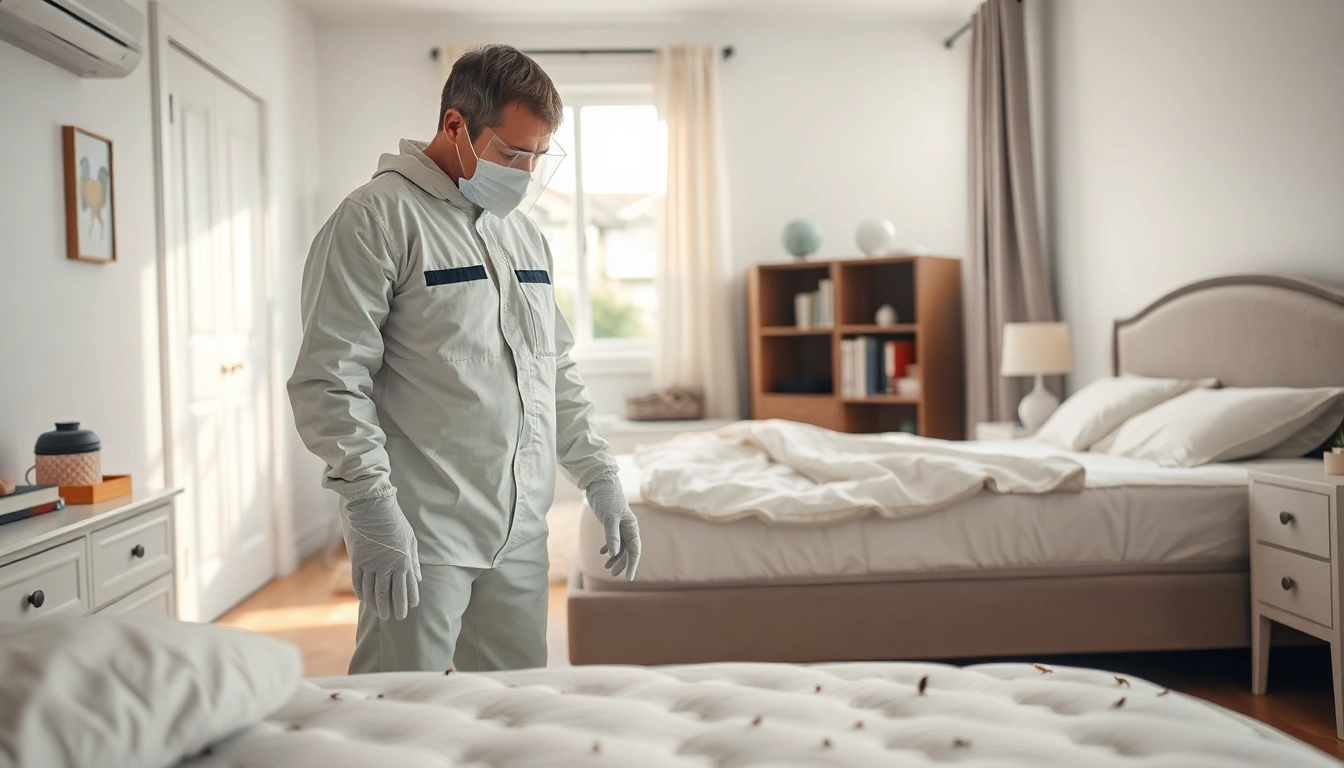
Understanding Bed Bugs
What Are Bed Bugs?
Bed bugs (Cimex lectularius) are small, wingless insects that feed on the blood of humans and other warm-blooded animals. Typically visible to the naked eye, they are reddish-brown in color, with a flattened, oval body. Adult bed bugs can grow to be about the size of an apple seed. Known for their nocturnal habits, these pests tend to hide in cracks and crevices during the day, coming out at night to feed on unsuspecting hosts. The resurgence of bed bugs in recent years has made them a significant concern for homeowners and travelers alike.
Signs of Bed Bug Infestation
Detecting a bed bug infestation early is critical for effective bed bug control. Common signs to look out for include:
- Bite Marks: Small, red, itchy welts often arranged in a line or cluster on exposed skin after sleeping.
- Blood Stains: Small brown or red spots on bedding or mattresses from crushed bed bugs.
- Bed Bug Feces: Dark, speck-like drops found in areas where bed bugs hide.
- Eggs and Shells: Tiny, translucent eggs or yellowish-colored skins discarded during molting.
- Odor: A musty smell in heavily infested areas due to bed bug excretion.
The Life Cycle of Bed Bugs
Understanding the life cycle of bed bugs is essential for effective control strategies. Bed bugs undergo five nymph stages before becoming adults. Each stage requires at least one blood meal to progress to the next. Here’s a breakdown of their life cycle:
- Egg: Eggs are laid in clusters, usually in hidden areas. They hatch in about 6 to 10 days.
- Nymph: Newly hatched nymphs are translucent and small, needing blood to molt into adult bed bugs.
- Adult: Once mature, adult bed bugs can live several months to a year without feeding, making them resilient pests.
Bed Bug Control Methods
Integrated Pest Management Techniques
The foundation of effective bed bug control lies in Integrated Pest Management (IPM) strategies. IPM combines multiple approaches to reduce pest populations and long-term prevention. Essential elements of IPM include:
- Education: Knowledge about bed bugs will empower individuals to identify signs of infestations early.
- Monitoring: Regular inspections and the use of bed bug traps will help to detect any problems promptly.
- Control Measures: Implement a combination of mechanical, physical, chemical, and thermal control measures for an effective response.
Chemical and Non-Chemical Treatments
Both chemical and non-chemical treatments can help in bed bug control. Chemical treatments often involve insecticides that target bed bugs, while non-chemical treatments can include steam cleaning and encasements. It’s crucial to follow all safety guidelines when using chemicals to avoid potential health risks.
Heat Treatment and Its Effectiveness
Heat treatment is one of the most effective methods for eliminating bed bugs. This method involves raising the temperature of infested spaces to at least 120°F (49°C) for a sustained period. Bed bugs, including their eggs, cannot survive under these conditions, making heat treatment a preferred choice for extermination.
DIY Bed Bug Control Solutions
Homemade Traps and Barriers
For those interested in DIY approaches to bed bug control, creating traps and barriers can be effective. Place shallow dishes filled with soapy water under the bed’s legs to trap bed bugs trying to reach your sleeping area. Additionally, sealing any cracks and crevices with caulk will prevent their movement around your home.
Essential Oils for Bed Bug Control
Some essential oils, such as lavender, tea tree, and peppermint, can serve as deterrents against bed bugs. While they are not a guaranteed solution, they can be used in conjunction with other methods to enhance control efforts. Always use essential oils cautiously, as they can cause irritation if misused.
How to Properly Vacuum
Effective vacuuming can significantly aid in bed bug control. Use a vacuum with a HEPA filter to capture bugs and their eggs effectively. Pay special attention to seams of mattresses, carpets, and furniture during vacuuming. After use, dispose of the vacuum bag immediately to prevent any escaping bed bugs.
Preventing Reinfestation
Best Practices for Homeowners
Keeping your home bed bug-free involves adopting sustainable practices. Regularly inspect secondhand furniture, maintain clutter-free environments, and wash bedding and linens frequently in hot water. Implementing these practices reduces the chances of reinfestation.
Travel Tips to Avoid Bringing Bed Bugs Home
Travelers should take precautions against bringing bed bugs home. Always inspect hotel rooms for signs of bed bugs, and keep luggage off the floor and beds by using luggage racks. Upon returning home, wash and dry all clothing on high heat to eliminate potential hitchhikers.
Regular Inspections and Monitoring
Conducting regular inspections around bedding, upholstered furniture, and other areas can help spot early signs of infestations. Utilizing bed bug monitors can provide additional peace of mind, allowing for timely interventions before the problem escalates.
Frequently Asked Questions
How do you know if you have bed bugs?
Signs of bed bug presence include bite marks on your skin, blood stains on sheets, and small fecal spots on furniture. Regular inspections can confirm infestations.
What methods 100% kill bed bugs?
Heat treatment of 120°F or higher can effectively kill all life stages. Chemical treatments must be properly applied to ensure effectiveness.
Can I use alcohol for bed bug control?
While rubbing alcohol can kill bed bugs on contact, it is not a long-term solution and can pose fire risks. It’s best used alongside other methods.
How long does bed bug control take?
The duration of bed bug control varies based on the method used and the extent of the infestation. It may take several weeks to fully eradicate bed bugs.
Do bed bug control products expire?
Yes, chemical treatments often have expiration dates. Always check and ensure you use products within their effective time frame for the best results.
For sustainable bed bug control, it’s essential to adopt a proactive approach, combining various methods to ensure that your home remains bed bug-free.