

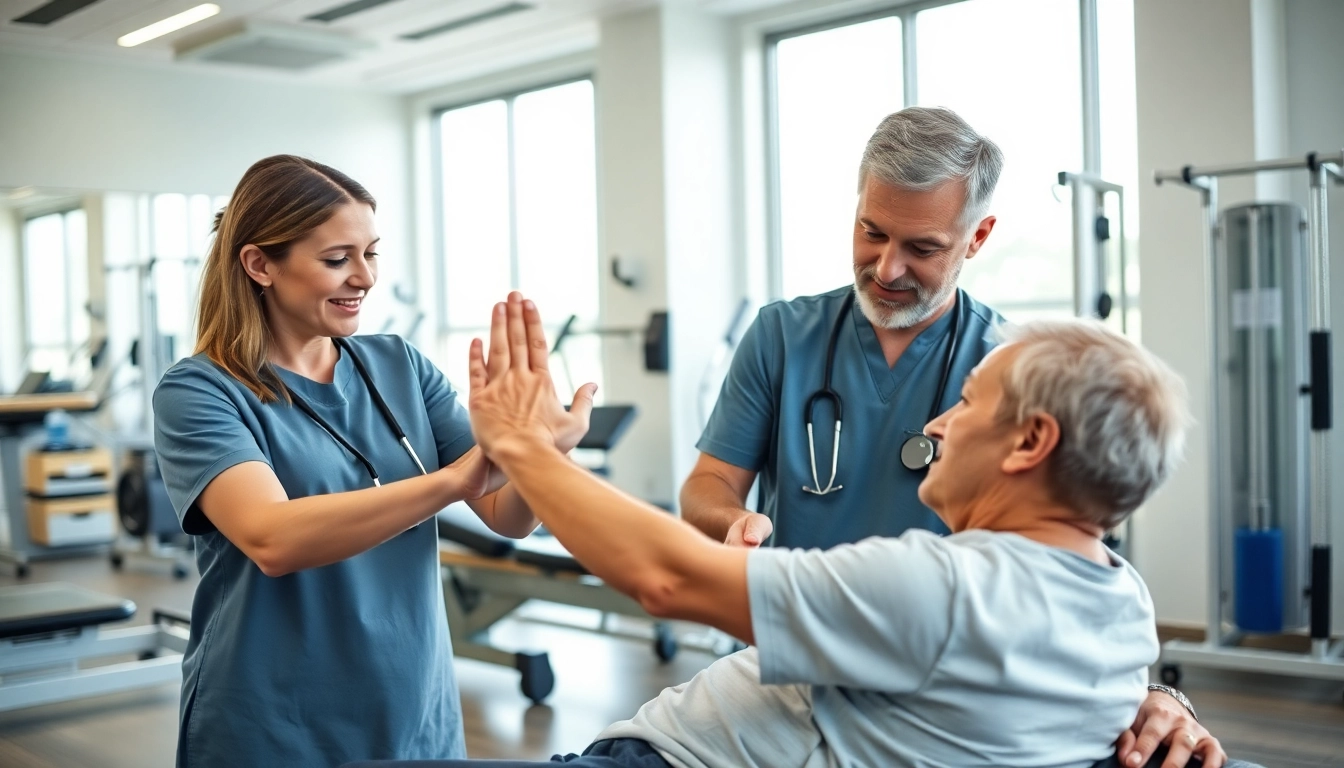
Introduction to Health in Motion Rehabilitation
Definition and Overview
Health in Motion Rehabilitation is a holistic approach to recovery and physical enhancement that integrates cutting-edge techniques in physical, occupational, and speech therapy. This innovative rehabilitation initiative aims to support individuals in regaining independence, improving physical capabilities, and enhancing their overall quality of life following injuries, surgeries, or health-related impairments. With a team of experienced practitioners, the program addresses the unique needs of each patient, crafting tailored rehabilitation plans that align with their specific goals.
Importance of Rehabilitation in Recovery
Rehabilitation is a fundamental stepping stone in the recovery process. It helps individuals restore the skills lost due to illness, injury, or surgery. Engaging in rehabilitation not only improves physical strength and functionality but also plays a crucial role in emotional well-being. Studies have shown that participants in rehabilitation programs experience significant improvements in their physical health and psychological resilience, fostering a sense of empowerment and enhancing their ability to engage in daily activities. Programs like Health in Motion Rehabilitation underscore the necessity of a structured rehabilitation process in achieving long-term recovery outcomes.
Target Populations for Rehabilitation Services
Different populations benefit from rehabilitation services, including:
- Post-surgical patients: Individuals recovering from surgeries, particularly orthopedic procedures, can gain strength and mobility through targeted rehabilitation.
- Individuals with chronic illnesses: Those suffering from conditions such as arthritis, heart disease, or neurological disorders can improve their quality of life with tailored therapy.
- Sports enthusiasts: Athletes or active individuals who experience sports-related injuries can undergo rehabilitation to return to their pre-injury performance levels.
- Seniors: Older adults often face mobility challenges; rehabilitation can help them regain independence and enhance their daily living capabilities.
Types of Rehabilitation Offered
Physical Therapy Techniques
Physical therapy is a cornerstone of rehabilitation services, employing various techniques to help individuals recover physical function and relieve pain. Common physical therapy techniques include:
- Manual therapy: This hands-on approach involves manipulating soft tissues and joints to improve mobility and reduce discomfort.
- Exercise therapy: Tailored exercise programs target specific muscles and movements to enhance strength, flexibility, and endurance.
- Modalities: Therapies utilizing heat, cold, ultrasound, or electrical stimulation can provide pain relief and enhance the healing process.
Occupational Therapy Practices
Occupational therapy focuses on helping individuals regain the skills necessary for daily living and working. The practices include:
- Activities of daily living (ADLs): Therapists teach techniques to perform essential daily tasks such as bathing, dressing, and cooking.
- Adaptive tools: The use of assistive devices can facilitate independence, making everyday activities more manageable.
- Environmental modifications: Therapists evaluate and recommend changes to home or work environments to promote greater accessibility and safety.
Speech and Language Rehabilitation
Speech and language rehabilitation addresses communication and swallowing disorders. Common techniques involve:
- Articulation exercises: Targeted exercises help individuals improve their pronunciation and clarity in speech.
- Cognitive-communication therapy: This focuses on enhancing memory, attention, and problem-solving skills, which are crucial for effective communication.
- Swallowing therapy: Specialized techniques assist individuals with eating and swallowing difficulties, ensuring safe nutritional intake.
Benefits of Engaging in Health in Motion Rehabilitation
Improved Physical Health
Participation in rehabilitation services leads to remarkable improvements in physical health. Patients can expect:
- Increased mobility: Through targeted exercises and interventions, individuals often regain strength and restore functionality.
- Pain management: Rehabilitation techniques help alleviate discomfort, enabling patients to engage in physical activities without fear of pain.
- Enhanced coordination: Therapies improve balance and coordination, reducing the risk of falls, especially in older adults.
Mental and Emotional Wellness
The rehabilitative process also significantly benefits mental and emotional health by:
- Building self-esteem: Achieving rehabilitation goals fosters a sense of accomplishment and boosts confidence.
- Reducing anxiety and depression: Engaging in social interactions and therapy can alleviate feelings of isolation frequently experienced during recovery.
- Promoting resilience: Learning to adapt to new circumstances through rehabilitation nurtures a positive outlook towards recovery and encourages coping strategies.
Enhanced Quality of Life
Rehabilitation catalyzes a substantial improvement in overall quality of life. Benefits include:
- Increased independence: Clients can regain the ability to perform daily activities, fostering a greater sense of autonomy.
- Social reintegration: Rehabilitation encourages individuals to reengage in social activities, enhancing their social networks and support systems.
- Long-term health maintenance: Skills learned during rehabilitation promote healthy living habits that can extend life and well-being.
Steps to Get Started with Health in Motion Rehabilitation
Assessing Individual Needs
The journey to recovery begins with a comprehensive assessment of the individual’s unique needs. This initial stage involves:
- Medical evaluation: Gathering detailed medical histories and current health conditions helps clinicians devise the most effective rehabilitation strategy.
- Functional assessment: Evaluating specific abilities and limitations aids in creating a personalized rehabilitation plan.
- Setting benchmarks: Identifying measurable goals ensures that progress can be tracked effectively throughout the rehabilitation process.
Choosing the Right Rehabilitation Program
Selecting an appropriate rehabilitation program is crucial for successful outcomes. Factors to consider include:
- Therapy type: Individuals should choose programs that encompass the therapies they require, such as physical therapy or occupational therapy.
- Professional qualifications: Selecting a facility with certified and experienced therapists ensures the highest quality of care.
- Program structure: Patients may have preferences regarding group versus individual therapy sessions, duration and frequency of sessions, and availability of follow-up support.
Setting Realistic Goals for Recovery
Goal-setting is vital in the rehabilitation process. Effective goals should be:
- Specific: Clearly defined objectives provide direction and focus for rehabilitation efforts.
- Measurable: Establishing metrics enables both therapists and patients to track progress and adjust plans as necessary.
- Achievable: Goals should be realistic and attainable, taking into account the individual’s unique circumstances and health conditions.
- Time-bound: Setting timelines for what can be achieved within specific periods encourages accountability and motivation.
Measuring Success: Progress in Rehabilitation
Evaluating Physical Milestones
Monitoring physical recovery involves evaluating various milestones, including:
- Range of motion: Assessing improvements in joint flexibility and movement capabilities.
- Strength gains: Measuring muscle strength through activities and exercises to gauge physical enhancement.
- Functional independence: Evaluating the ability to perform activities of daily living without assistance.
Tracking Emotional and Psychological Improvements
It is equally essential to monitor emotional and psychological gains in rehabilitation. Consider the following:
- Self-reporting: Using questionnaires and self-report tools can help track changes in mood and emotional states.
- Behavioral observations: Therapists may also assess behavioral responses and engagement levels during therapy sessions.
- Goal achievement: Reviewing the attainment of set goals provides insight into emotional and psychological progress.
Long-term Maintenance of Health Gains
Achieving success in rehabilitation is only the beginning. Long-term maintenance involves:
- Continued exercise: Engaging in regular physical activity promotes sustained physical health improvements.
- Support networks: Staying connected with therapeutic and social support fosters a consistent focus on health and wellness.
- Periodic assessments: Regular evaluations by healthcare professionals ensure that recovery remains on track and allows for adjustments as needed.