

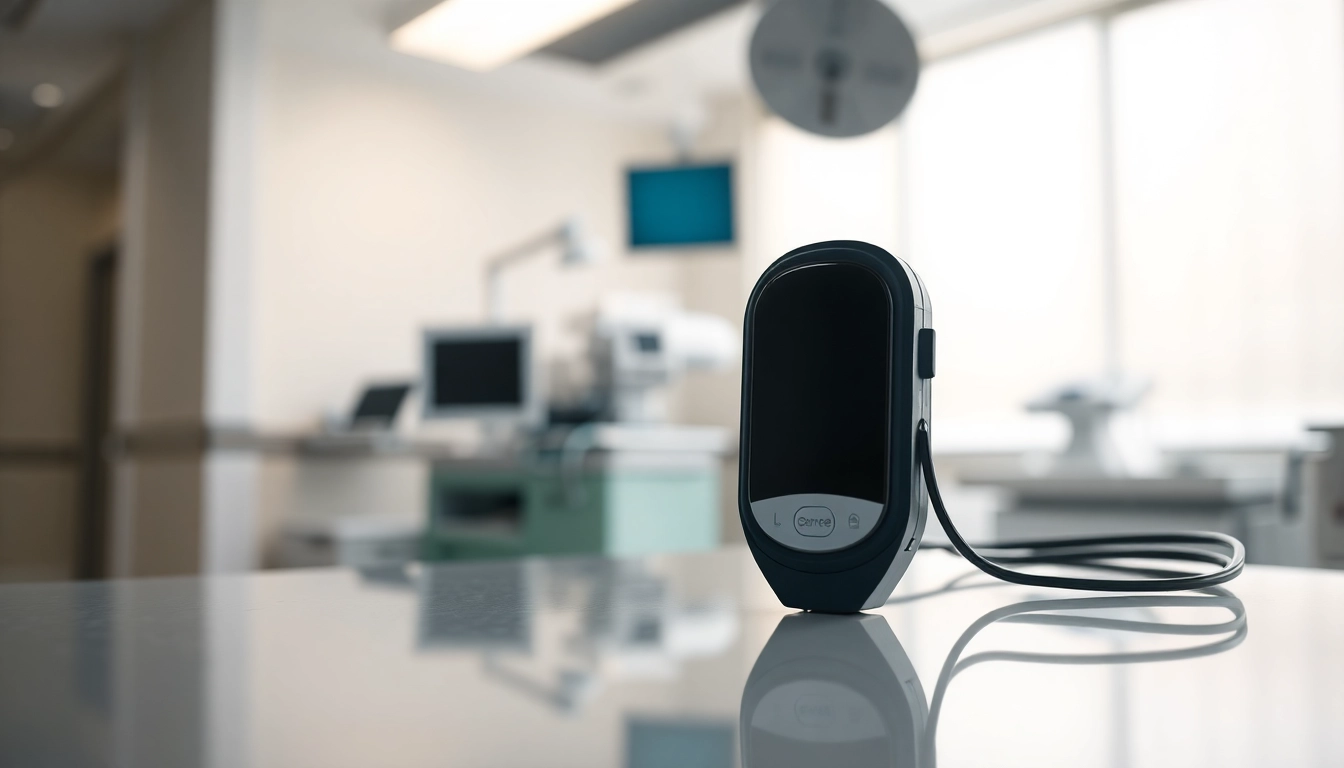
Understanding Choking: Causes and Risks
What is Choking?
Choking occurs when an object, commonly food, becomes lodged in the throat or windpipe, obstructing airflow. This can lead to serious respiratory distress and potentially fatal consequences if not addressed promptly. The human body relies on a clear airway for oxygen to the brain and other vital organs, making choking an acute medical emergency that requires immediate intervention. In many cases, individuals can’t call for help, underscoring the importance of being prepared with a choking device or knowledge of first aid procedures.
Common Causes of Choking
The causes of choking can be varied, but they frequently include:
- Food: Hard candies, nuts, grapes, and meats are common culprits.
- Objects: Toys or small household items are especially dangerous for children.
- Mouth-related Issues: Ill-fitting dentures or other dental issues can contribute to choking incidents.
- Medical Conditions: Conditions that affect swallowing, such as neuromuscular disorders.
Who is at Risk for Choking?
While anyone can experience choking, certain groups are at higher risk:
- Young Children: A tendency to put objects in their mouths makes them especially vulnerable.
- The Elderly: Swallowing difficulties often increase in older adults.
- Individuals with Disabilities: Those with certain health conditions may have complications that affect their swallowing ability.
The Importance of a Choking Device
How Choking Devices Work
Choking devices function by creating a vacuum that helps to dislodge the obstruction from the airway. By using a simple mechanism, the device allows the user to exert suction on the victim’s throat, ideally removing the foreign body or at least facilitating easier breathing until professional medical assistance can be obtained.
Benefits of Using a Choking Device
Using a choking device can provide several benefits:
- Immediate Response: Devices can be used quickly during a choking incident, saving crucial time.
- Ease of Use: Many devices are designed to be user-friendly, requiring no formal training.
- Increased Survival Rates: Quick intervention with a choking device can enhance the chance of survival and prevent brain damage.
Choking Devices: A Life-Saving Innovation
Choking devices represent a significant advancement in safety technology. While traditional methods such as the Heimlich maneuver are still vital, these devices offer a complementary solution, particularly in scenarios where traditional methods may not be effective or could harm the victim due to physical limitations.
Types of Choking Devices Available
Manual vs. Powered Choking Devices
Choking devices can generally be classified into two types: manual and powered. Manual devices often require the user to create suction manually through a simple pumping action, while powered devices use batteries or electric components to generate suction automatically, making them easier to operate. Consider your environment and needs when choosing between these options.
Device Size and Portability
When selecting a choking device, portability is essential. Smaller devices can be carried in a purse, backpack, or vehicle, making them accessible in emergencies. However, ensure that smaller devices still effective. Larger devices may offer added features but can be cumbersome to transport.
Features to Look for in a Choking Device
Not all choking devices are created equal. Important features to consider include:
- Ease of Use: Look for intuitive designs that can be operated under stress.
- Size Compatibility: Ensure the device is appropriate for adults and children if necessary.
- Durability: Select a device built to withstand regular use and potential impacts.
How to Use a Choking Device Effectively
Step-by-Step Usage Guide
To use a choking device effectively, follow these general steps, which may vary slightly depending on the specific device:
- Ensure the victim is truly choking and unable to breathe or speak.
- Position the victim appropriately, based on the device’s design (sitting or standing).
- Follow the instructions specific to the device you have. Usually, this involves placing the device against the throat and activating it.
- Check whether the obstruction is dislodged and the victim can breathe again.
- If the choking is not resolved, continue to administer the device until help arrives.
Training and Certification for Users
While many choking devices are designed for ease of use, obtaining proper training can significantly enhance effectiveness. Organizations like the Red Cross offer courses on how to use first aid techniques, including choking devices, alongside CPR. Certification can enhance confidence and preparedness.
Common Mistakes to Avoid
While using a choking device, avoid these common pitfalls:
- Incorrect Positioning: Ensure the victim is in the correct position to maximize effectiveness.
- Panic: Remaining calm will allow you to follow procedures run effectively.
- Ignoring Guidelines: Always refer to the manufacturer’s instructions for the specific choking device.
Frequently Asked Questions
What Situations Require a Choking Device?
Choking devices should be at the ready when someone is unable to breathe, cough, or speak due to a blockage in the airway. If someone appears distressed, turning blue, or is unable to respond, a choking device is essential.
Are Choking Devices Safe for Children?
Many choking devices are designed to be safe for children. However, it’s crucial to choose a device suited for children’s size and weight and to receive proper training on using it effectively with young ones.
How to Maintain Your Choking Device?
Regular maintenance is essential for ensuring your choking device is ready for emergencies. Keep it clean, check for wear or damage, and replace any parts as needed according to the manufacturer’s instructions.
When Should You Not Use a Choking Device?
A choking device should not be used if the victim is conscious and can cough or speak. In such cases, encourage them to continue coughing, which can dislodge the obstruction naturally. Seek emergency assistance if necessary.
Are There Alternatives to Choking Devices?
While choking devices are effective, knowing traditional first aid techniques like the Heimlich maneuver or back blows can be invaluable. These methods should be used in conjunction with a choking device for maximum safety.