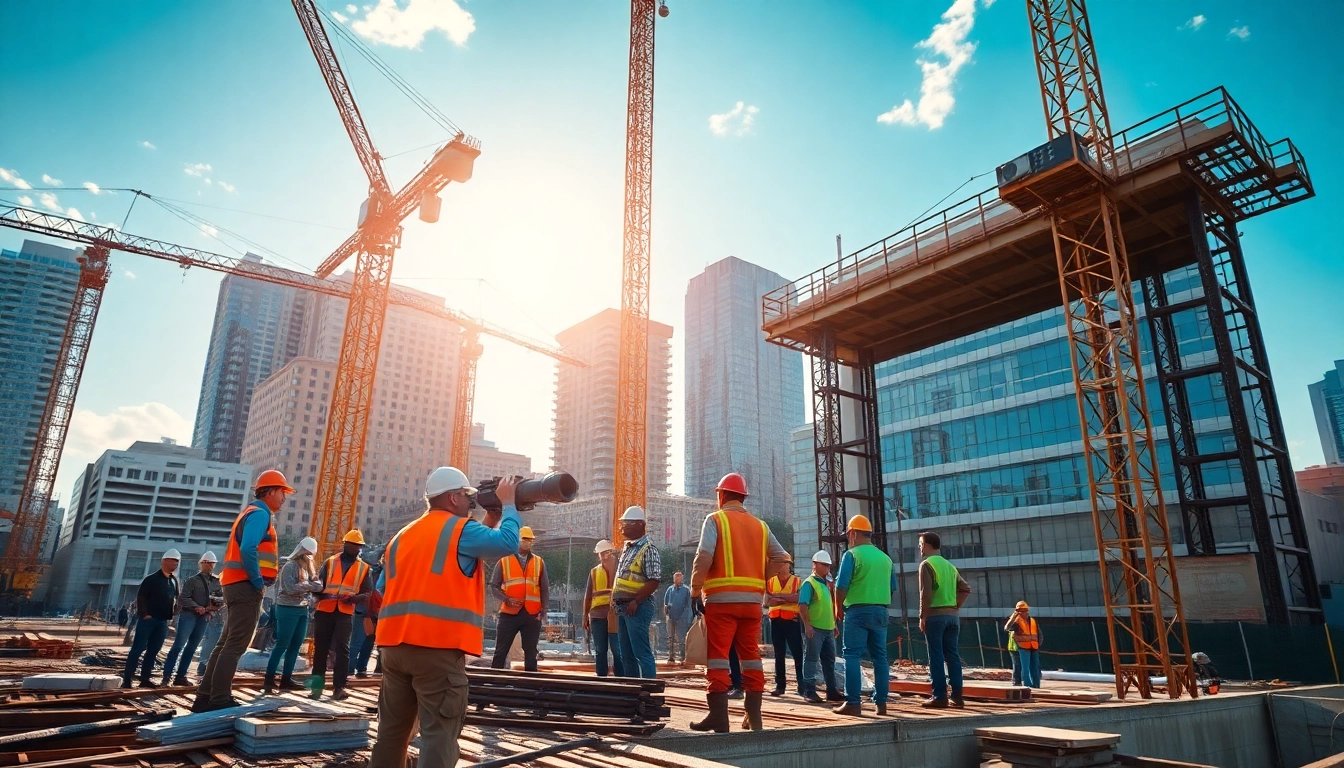


Understanding Architecture and Engineering Firms
Architecture and engineering firms are pivotal in shaping our built environment, combining creativity and technical expertise to create functional structures. These firms engage in various activities, from conceptual design through to construction management, offering a comprehensive array of services. Their work involves addressing aesthetic, functional, and structural considerations while ensuring compliance with codes and regulations. Through an architecture and engineering firm, clients can expect a synergy between artistry and practicality, leading to innovative and sustainable projects.
What Distinguishes an Architecture and Engineering Firm?
Architecture and engineering firms offer a unique blend of services that set them apart from traditional architectural or engineering practices. While architecture firms focus primarily on the design aspect — creating aesthetically pleasing and functional spaces — engineering firms delve into the technical specifications. The distinction lies in their collaborative approach, where architects conceptualize while engineers ensure that designs are feasible and safe. This dual capability enables firms to undertake a wide range of projects, from residential homes to large-scale commercial buildings.
Core Services Provided by Architecture and Engineering Firms
The core services provided by architecture and engineering firms are vast and varied. They typically include:
- Architectural Design: This service encompasses the preliminary conceptualization to the in-depth designs for various types of buildings and spaces.
- Structural Engineering: Vital for assessing the stability and integrity of structures, ensuring they can withstand loads and environmental stresses.
- MEP Engineering: Referring to mechanical, electrical, and plumbing services, these are critical for the functionality and efficiency of buildings.
- Project Management: Overseeing the lifecycle of a project, ensuring timelines, quality standards, and budgets are adhered to.
- Landscape Architecture: Designing outdoor spaces to enhance aesthetic appeal and ecological function.
The Importance of Interdisciplinary Collaboration
Effective interdisciplinary collaboration between architects, engineers, and other stakeholders is essential for successful project delivery. This collaboration fosters innovation by combining different viewpoints and areas of expertise. Through close communication and shared goals, all parties can create designs that are not only visually appealing but also highly functional and compliant with regulatory standards. Involving all stakeholders from the onset also reduces the chances of costly redesigns and conflicts during construction.
Key Trends Shaping the Architecture and Engineering Industry
Sustainable Design Practices
Sustainable design has emerged as a crucial trend in architecture and engineering, driven by heightened awareness of environmental issues. Firms are increasingly incorporating sustainable practices into their projects, focusing on reducing carbon footprints and utilizing eco-friendly materials. Elements such as passive solar design, green roofs, and water conservation strategies are becoming standard. By devising solutions that minimize environmental impact, firms contribute to a healthier planet while often reducing operational costs for clients.
Technological Advancements in Engineering
Technology is revolutionizing the architecture and engineering landscape, making processes more efficient and accurate. The use of Building Information Modeling (BIM) allows for enhanced visualization and collaboration among different disciplines. Technologies like augmented reality (AR) and virtual reality (VR) enable stakeholders to experience spaces before they are built, ensuring that designs meet client expectations. Moreover, advancements in project management software have streamlined operations, aiding firms in keeping projects on track and within budget.
Impact of Urbanization on Architectural Practices
As urban areas expand, architecture and engineering firms face the challenge of designing for density while maintaining livability. This shift necessitates innovative approaches to space utilization, such as mixed-use developments and vertical living solutions. Firms are leveraging technology and research to adapt designs that harmonize with urban contexts, creating environments that are not only functional but also vibrant and resilient to climate change challenges.
Strategies for Choosing the Right Architecture and Engineering Firm
Evaluating Credentials and Experience
Choosing the right architecture and engineering firm is a nuanced process that begins with evaluating credentials. Clients should look for firms with appropriate licenses, certifications, and a strong portfolio showcasing past projects. Experience in relevant sectors is also critical; firms familiar with similar projects are likely to understand particular challenges and requirements, which can help avert potential pitfalls during execution.
Assessing Client Testimonials and Case Studies
Client testimonials and case studies provide invaluable insights into a firm’s reliability and performance. A prospective client should review these materials to ascertain customer satisfaction levels and project outcomes. Detailed case studies can reveal how the firm approached challenges, their problem-solving capabilities, and the overall value delivered. Choosing a firm with a track record of success breeds confidence and helps establish a long-term professional relationship.
Importance of Communication and Flexibility
Effective communication and flexibility are paramount in the architecture and engineering sector. Clients should prioritize firms that prioritize open communication channels throughout the project lifecycle. A collaborative mindset allows for adaptability in accommodating unforeseen changes or client feedback. Ensuring a firm can operate with transparency minimizes misunderstandings and contributes to a smoother project execution.
Best Practices for Successful Projects
Project Management Fundamentals
Successful project management hinges on a combination of planning, execution, and monitoring. Effective project management strategies involve clearly defining project goals, establishing a timeline, and allocating resources efficiently. Implementing Agile methodologies can enhance responsiveness to changes and foster collaboration among teams. Project managers should continuously engage with all stakeholders, facilitating updates, feedback, and adjustments as needed to keep the project aligned with its objectives.
Effective Stakeholder Engagement
Stakeholder engagement is critical for project success, as it ensures that all parties are invested in the outcome. Building strong relationships involves regular communication, transparency, and the willingness to address concerns proactively. Utilizing tools such as stakeholder mapping can help identify key stakeholders and inform the engagement approach, ensuring that feedback is integrated into the decision-making process.
Budgeting and Cost Management Techniques
Effective budgeting and cost management are vital for the sustainability of any project. Accurate cost estimates should be developed during the planning phase, with contingency funds set aside for unexpected expenses. Regular monitoring of financial performance against the budget helps control costs and identify potential overruns early. Cost-effective solutions, such as selecting sustainable materials and practices, further enhance project viability.
The Future of Architecture and Engineering Firms
Adapting to Changing Market Demands
As the needs and preferences of clients evolve, architecture and engineering firms must adapt to these changes. This can involve specializing in certain sectors, such as health care or educational facilities, where demand might be on the rise. Staying informed about market trends and client expectations allows firms to develop targeted strategies to remain competitive and relevant in a changing landscape.
Innovative Design Methodologies
The architecture and engineering field continues to evolve with innovative design methodologies that emphasize user experience and sustainability. Design Thinking, a user-centered approach, is becoming more prominent, allowing firms to create solutions tailored to the needs and preferences of end-users. Integrating concepts such as biophilic design, which connects inhabitants with nature, is also gaining traction, showcasing the importance of human-centered design in creating functional and enjoyable spaces.
Embracing Digital Transformation
Digital transformation is essential for the future success of architecture and engineering firms. Embracing technologies such as cloud computing, AI-driven design tools, and smart building technologies can streamline operations and enhance efficiency. Firms that effectively integrate these technologies into their workflows can achieve better project outcomes, improve collaboration, and deliver superior client satisfaction.
Frequently Asked Questions
1. What is the difference between an architecture firm and an engineering firm?
Architecture firms focus on the design and aesthetics of buildings, while engineering firms specialize in the technical and structural aspects. Both collaborate closely during the project lifecycle to create safe and functional structures.
2. How can sustainable practices benefit an architecture and engineering firm?
Implementing sustainable practices can lower operational costs, attract eco-conscious clients, and enhance a firm’s reputation, ultimately leading to more projects and long-term success.
3. What should I look for when choosing an architecture and engineering firm?
Look for credentials, relevant experience, positive client testimonials, and the firm’s ability to communicate effectively and adapt to project changes.
4. How does technology influence architectural design?
Technology, through tools like BIM and AR, improves efficiency in design, enhances collaboration among teams, and provides immersive experiences that help visualize projects before construction.
5. Why is stakeholder engagement important in architectural projects?
Engaging stakeholders helps address concerns early, fosters collaboration, and ensures that the project aligns with the needs and expectations of all parties involved.