
Understanding the Basics of Structural Steel Installation
Structural steel installation forms the backbone of modern construction, providing the essential framework for various building types. In this article, we will delve into the intricacies of structural steel installation, covering its crucial aspects from initial planning to execution, while also considering safety, efficiency, and future trends.
What is Structural Steel Installation?
Structural steel installation involves assembling steel components on-site to create the skeletal structure of a building. This process is essential not only for commercial projects but also for industrial sites, bridges, and many other structures requiring robust support. The method emphasizes strength, stability, and the architectural vision of the design while adhering to safety and regulatory standards.
Key Components of Steel Structures
A comprehensive understanding of structural steel installation begins with familiarizing oneself with its key components:
- Steel Beams: Horizontal members that support vertical loads.
- Columns: Vertical supports that transfer loads from the beams to the foundation.
- Braces: Diagonal supports that provide stability against lateral forces.
- Connections: Joints that secure the components together, either through welding or bolting.
- Purlins: Horizontal members that support roof sheathing or siding.
The Role of Safety in Installation
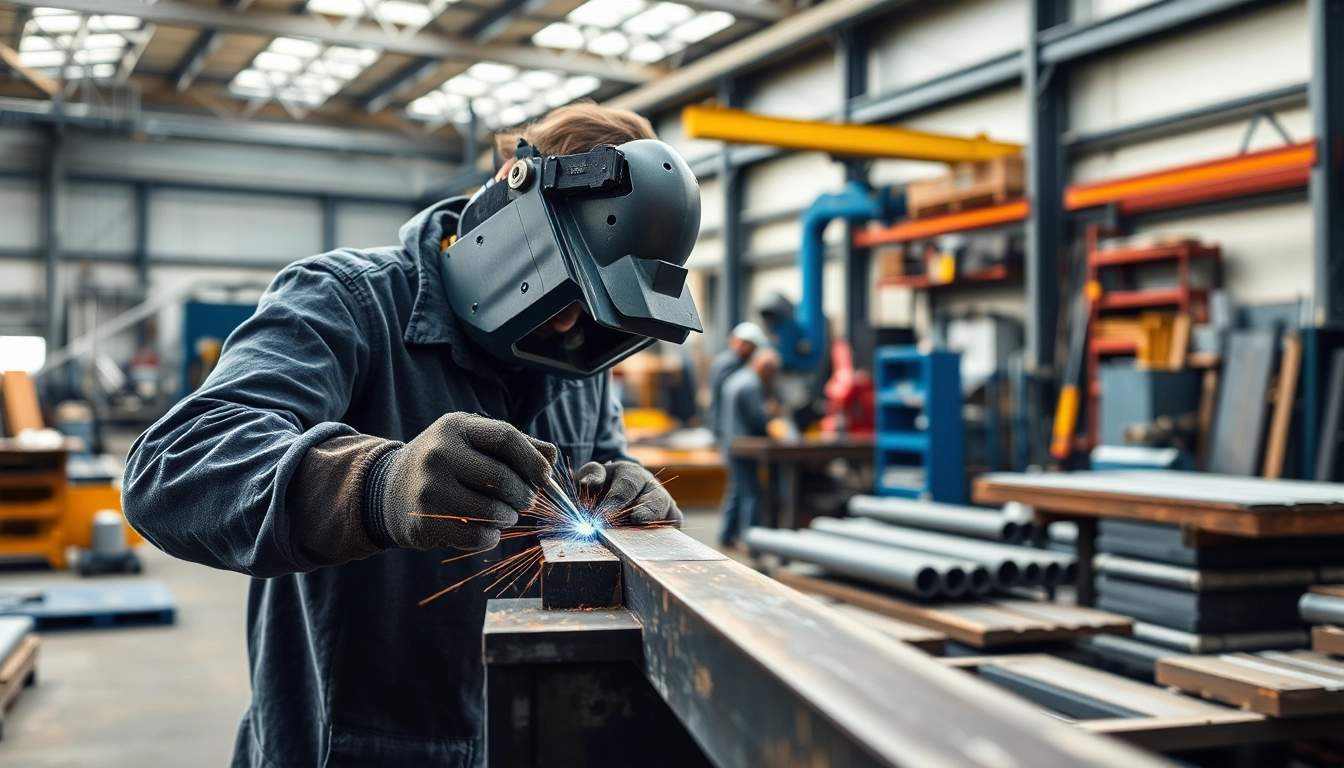
Safety is paramount in structural steel installation. The use of personal protective equipment (PPE), adherence to OSHA standards, and comprehensive training programs for workers are vital in mitigating risks associated with construction hazards. Regular safety audits and on-site inspections further ensure compliance with safety regulations.
Steps to Efficient Structural Steel Installation
Pre-Erection Planning
Successful structural steel installation begins long before the actual erection process. Pre-erection planning involves meticulous project management, including scheduling, resource allocation, and risk assessment. Key steps include:
- Site Survey: Assessing the construction site for accessibility, soil conditions, and proximity to facilities.
- Logistics Coordination: Planning transportation routes for materials and equipment.
- Weather Considerations: Monitoring forecasts to mitigate delays related to adverse conditions.
Hoisting and Positioning Steel Components
Once pre-erection planning is complete, the next step is hoisting the steel components into place. This process necessitates careful coordination and the use of specialized equipment such as cranes and lifts. The positioning of steel components is executed with precision, ensuring alignment and stability. Here, rigging methods and load charts play a crucial role to ensure safety during hoisting.
Welding and Bolting: Ensuring Stability
After positioning, securing the components is essential to guarantee the overall integrity of the structure. Two primary methods are employed:
- Welding: This method involves fusing steel pieces together, creating a permanent bond.
- Bolting: Involves connecting components using bolts, which can be adjusted and removed if necessary.
A combination of both methods is often used to optimize strength and flexibility in structural design.
Common Challenges in Structural Steel Installation
Weather Impacts and Planning Adjustments
Weather conditions can significantly impact construction schedules. Rain, snow, extreme temperatures, or high winds pose risks not only to timelines but also to worker safety. Implementing weather-resilient planning, including contingency measures, can alleviate these challenges. For example, incorporating enclosed structures or temporary coverings can facilitate work during adverse conditions.
Equipment Limitations and Solutions
Each construction site presents unique challenges regarding equipment use. Limitations in crane size, reach, and lifting capacity can hinder progress. To address this, employing a range of equipment and optimizing the construction sequence can help. For instance, using smaller cranes for tight spaces or employing multiple cranes to distribute loads efficiently can mitigate these issues.
Worker Safety and Compliance Issues
Worker safety remains a significant concern in steel installation. Compliance with regulatory standards, rigorous training schedules, and contingency plans for emergencies must be enforced. Additionally, establishing a safety culture within the workforce encourages proactive reporting of hazards and ongoing safety education, leading to reduced incidences of accidents.
Best Practices for Successful Structural Steel Installation
How to Choose the Right Tools
Selecting the appropriate tools and equipment is critical for efficient installation. Factors to consider include the type of steel being used, environmental conditions, and the specific tasks at hand. Investing in high-quality tools and maintaining them regularly ensures optimal performance, enhancing overall productivity and safety on site.
Implementing Quality Control Measures
To achieve consistent installation results, quality control measures must be integrated throughout the installation process. This includes establishing benchmarks for inspections, conducting routine assessments of work completed, and ensuring that all components meet specified standards. Utilizing advanced technology, such as 3D modeling and inspections, can enhance accuracy and efficiency.
Training and Skill Development for Workers
Investment in workforce training is fundamental to successful structural steel installation. Ongoing professional development ensures workers are equipped with up-to-date knowledge of techniques, safety practices, and regulations. Programs that offer certifications, hands-on experience, and mentorship can enhance workers’ skill levels and competencies, leading to improved project outcomes.
Future Trends in Structural Steel Installation
Technological Innovations in Installation Techniques
As the construction industry evolves, so do the techniques employed in structural steel installation. Emerging technologies such as augmented reality (AR) and virtual reality (VR) facilitate better visualization and planning of projects, helping to preemptively identify issues before they arise. Additionally, advancements in robotics and automation promise to enhance efficiency and precision in the installation process.
Greener Practices in Steel Construction
With a growing emphasis on sustainability, the structural steel industry is leaning towards greener practices. This includes utilizing recycled steel materials, implementing energy-efficient processes, and adopting sustainable construction methodologies that minimize environmental impact. As green building practices gain momentum, compliance with these standards can also enhance the overall perception and marketability of projects.
The Importance of Collaboration in Large Projects
Collaboration among various stakeholders—including architects, engineers, and contractors—is vital for the successful installation of structural steel. Integrated project delivery approaches foster communication, reduce delays, and improve project outcomes. Building strong relationships among team members enhances problem-solving capabilities and can create a shared commitment to quality implementation.
Frequently Asked Questions (FAQs)
What factors affect the timeline for steel installation?
Factors include site conditions, weather, material availability, and the complexity of the project. Proper planning can help mitigate delays.
How do weather conditions impact structural steel work?
Weather can hinder installation due to risks like slips, falls, or equipment malfunction. Contingency plans and temporary shielding can help maintain progress.
What safety gear is essential for workers during installation?
Essential safety gear includes hard hats, harnesses, gloves, and steel-toed boots. Regular training ensures compliance with safety regulations.
Are there specific codes governing structural steel installation?
Yes, various codes, such as OSHA and ANSI, set safety and quality standards for the structural steel industry. Compliance ensures worker safety and project integrity.
What role does quality control play in steel installation?
Quality control ensures that all components meet specifications, enhancing the durability and safety of the structure. Regular inspections are crucial for compliance.