
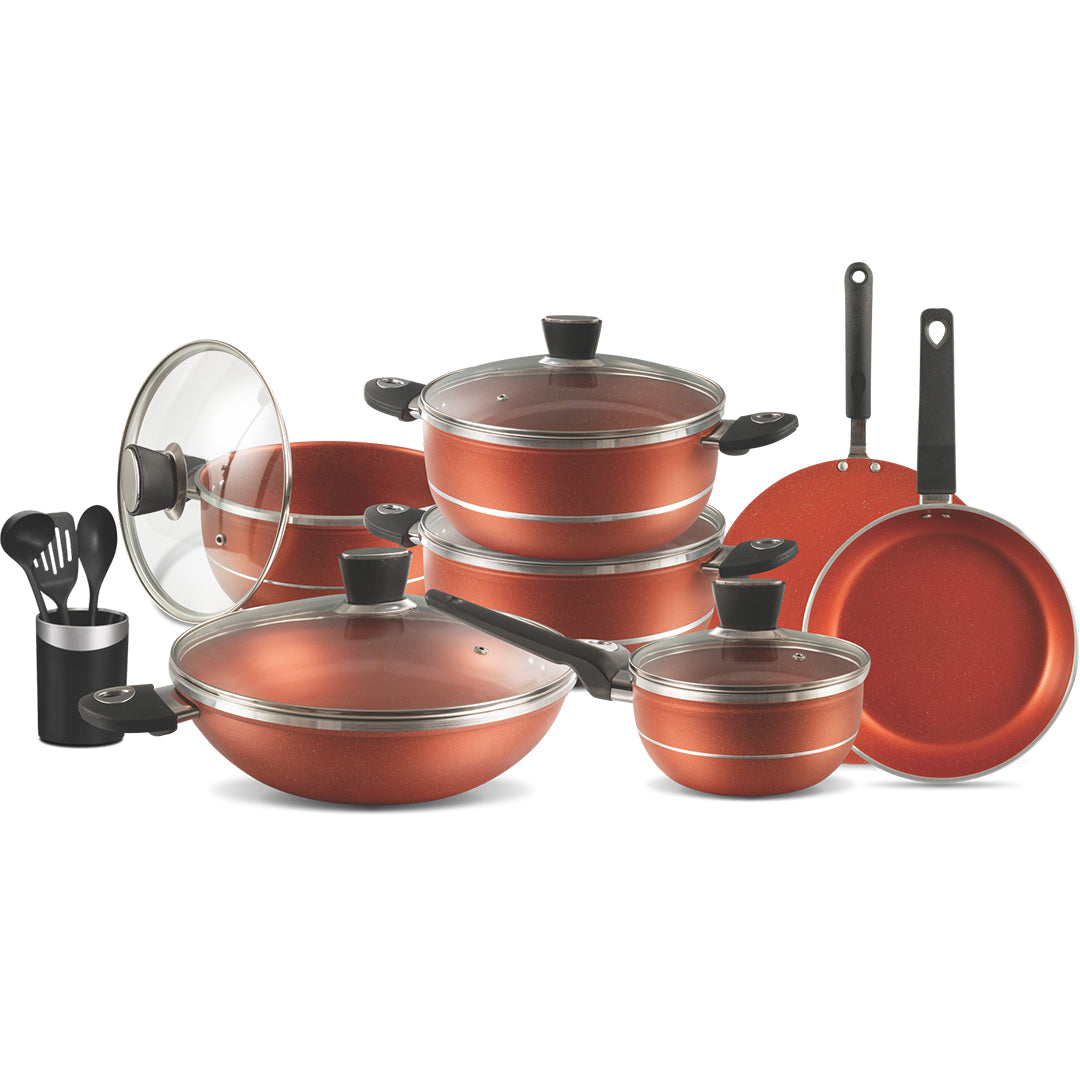
Choosing between nonstick Cookware and stainless steel Cookware is one of the biggest decisions home cooks face. Each option offers unique advantages, and the right choice depends heavily on your cooking habits, preferences, and comfort level in the kitchen. Whether you love quick, effortless meals or enjoy mastering advanced techniques, understanding how each type of Cookware performs will help you cook smarter and more confidently. This guide breaks down both options so you can choose the best Cookware for your needs.
Understanding the Basics of Nonstick Cookware
Nonstick Cookware is known for its ease, convenience, and versatility. Its smooth coating allows food to release effortlessly, making it a favorite for beginners, busy families, and anyone who values low-maintenance cooking.
Key Benefits of Nonstick Cookware
Nonstick Cookware excels at cooking delicate meals such as eggs, pancakes, and fish without sticking or tearing. Because it requires very little oil, it supports healthier cooking and faster cleanup. It’s also lightweight, which makes it ideal for anyone who prefers easy handling over heavy pots and pans.
Limitations of Nonstick Cookware
While nonstick Cookware is incredibly user-friendly, it does have its limits. High heat can damage the coating, and metal utensils may scratch the surface. Over time, coatings can wear down, meaning you may need to replace nonstick Cookware more often than other materials.
Understanding the Basics of Stainless Steel Cookware
Stainless steel Cookware is built for durability, strength, and high-level performance. Professional chefs swear by it because it handles heat evenly and can withstand demanding cooking techniques.
Key Benefits of Stainless Steel Cookware
Stainless steel Cookware is perfect for browning, searing, and sautéing. It’s oven-safe, long-lasting, and resistant to scratching. With proper technique, stainless steel Cookware helps you achieve restaurant-quality flavor and texture.
Limitations of Stainless Steel Cookware
Stainless steel Cookware does require a bit more skill. Food can stick if the pan isn’t preheated properly or if insufficient fat is used. It’s also heavier and takes more effort to clean compared to nonstick Cookware.
Heat Performance: A Critical Difference
The way Cookware responds to heat plays a major role in cooking results.
Heat Performance of Nonstick
Nonstick Cookware heats quickly and works beautifully for medium to low-heat cooking. It’s ideal for fast, everyday meals where temperature control is simple and straightforward.
Heat Performance of Stainless Steel
Stainless steel Cookware can handle high heat extremely well, making it the superior option for searing meats, reducing sauces, or caramelizing ingredients. It distributes heat evenly, which helps create rich, flavorful dishes.
Durability and Longevity
Durability is a major consideration when choosing Cookware, especially if you want long-term value.
Nonstick Durability
Nonstick Cookware can last several years with proper care, but it will eventually show signs of wear. Scratches, peeling, or dull surfaces are common over time, especially if used with high heat.
Stainless Steel Durability
Stainless steel Cookware is built to last decades. It resists warping, scratching, and staining. With good maintenance, stainless steel Cookware can be passed down through generations.
Maintenance and Care
Your willingness to maintain your Cookware will influence your decision.
Caring for Nonstick Cookware
Nonstick Cookware is easy to clean—usually a quick wipe or gentle wash is all it takes. However, it must be handled carefully: no metal utensils, no abrasive scrubbing, and no extreme heat.
Caring for Stainless Steel Cookware
Stainless steel Cookware requires a bit more effort to clean, especially after browning or frying. However, stains and stuck-on foods can be removed with soaking, scrubbing, or using specialized cleaners. The payoff is a pan that maintains its shine and performance for years.
Versatility in the Kitchen
How versatile you need your Cookware to be may determine the best option for your lifestyle.
Nonstick Versatility
Nonstick Cookware excels at everyday meals—omelets, vegetables, stir-fries, and delicate fish. It’s perfect for quick cooking tasks but less suited for techniques that require high heat.
Stainless Steel Versatility
Stainless steel Cookware is extremely versatile. You can sear, sauté, braise, boil, roast, and oven-finish dishes all with one pan. Its adaptability makes it ideal for cooks who love experimenting with different techniques.
Which Cookware Is Right for You?
Both types of Cookware offer valuable benefits, and your ideal choice depends on how you prefer to cook.
Choose Nonstick If:
- You want easy cleanup.
- You cook mostly everyday meals.
- You prefer lightweight Cookware.
- You enjoy low-oil, low-effort cooking.
Choose Stainless Steel If:
- You frequently use high heat.
- You want long-lasting Cookware.
- You enjoy advanced cooking techniques.
- You value durability and performance.
Why Magic Chef Recommends Mixing Both Types
At Magic Chef, we believe the best kitchen setup includes both nonstick Cookware and stainless steel Cookware. Each type serves different purposes, and together they create a well-rounded collection that elevates any cooking style. With a smart mix of pieces, you get convenience, durability, versatility, and exceptional results.
Conclusion
Choosing between nonstick Cookware and stainless steel Cookware doesn’t have to be difficult. Both offer unique advantages that support different cooking styles. Nonstick Cookware delivers effortless meals and quick cleaning, while stainless steel Cookware provides unmatched durability and high-heat performance. The ideal kitchen includes a balance of both, ensuring you have the right Cookware for every recipe and every cooking moment.