Understanding PPF Winter Road Salt Protection
As winter approaches, many vehicle owners become increasingly concerned about the damaging effects of road salt on their cars. Salt is an essential tool for de-icing roads, but it poses significant threats to your vehicle's finish and underlying metal. One effective solution to combat this damage is PPF winter road salt protection, designed specifically to shield your car from the harsh effects of winter weather.
What is PPF?
Paint Protection Film (PPF) is a transparent, urethane film that acts as a barrier between your vehicle's paint and external elements. Originally developed for military applications, this technology has now become a staple in automotive care. PPF is designed to absorb impacts, resist scratches, and protect against pollutants, making it an ideal choice for maintaining your vehicle's aesthetic and structural integrity.
Importance of Winter Vehicle Protection
The winter months introduce unique challenges for vehicle owners. Road salt, snow, and ice can accelerate the deterioration of a car's exterior. Failing to protect your vehicle during these cold months can lead to rust, corrosion, and costly repairs. By investing in PPF, you not only enhance the lifespan of your car's finish but also maintain its value over time. Whether your vehicle is an everyday driver or a prized possession, winter protection is essential to keep it in top condition.
How PPF Defends Against Road Salt
PPF acts as a sacrificial layer over the car’s paintwork, absorbing impacts and shielding against harmful chemicals like road salt. When salt sprays onto the surface, PPF prevents it from seeping into the paint, reducing the risk of corrosion. Its self-healing properties mean that minor scratches and abrasions can disappear with heat, ensuring your vehicle looks pristine despite harsh conditions. Ultimately, PPF serves as the first line of defense against the array of challenges posed by winter weather.
Benefits of Using PPF in Winter Seasons
Enhanced Longevity of Your Vehicle
Utilizing PPF during the winter months greatly enhances the longevity of your vehicle. By acting as a protective shield, PPF fights against scratches, chips, and the corrosive effects of winter materials. This longevity can significantly extend the life of your car’s paint, allowing you to enjoy its new-like appearance for many years without undergoing expensive repainting or touch-ups.
Cost-Effectiveness Over Time
While the initial investment in PPF may seem significant, it's essential to consider the long-term cost-effectiveness. Repairing paint damage can be far more expensive than installing PPF, especially when factoring in rust repairs and repainting costs. In the long run, PPF saves money by preventing damage that would otherwise necessitate costly repairs, making it a wise financial choice for the winter.
Improved Aesthetic Appeal
One of the most overlooked benefits of PPF is the enhancement of a vehicle’s aesthetic appeal. High-quality PPF is nearly invisible and provides a glossy finish that enhances the original color of your vehicle. This means that not only are you protecting your investment, but you're also preserving its beauty. Even after harsh winter conditions, cars treated with PPF maintain their shine and allure, contributing to greater resale value when the time comes to sell.
Key Factors in Choosing the Right PPF
Material Quality and Thickness
When selecting a PPF, the material quality and thickness are paramount considerations. High-quality films are more durable and offer better protection. Thicker films provide additional defense against impacts and scratches, but they should not be so thick that they affect visibility or aesthetics. Research the various available options, and consider factors such as warranty and manufacturer specifications to ensure you are choosing the best fit for your needs.
Installation Expertise
The effectiveness of PPF largely depends on the installation process. A professional installer with experience and expertise ensures that the film is applied correctly and adheres well to the vehicle's surface. Poor installation can lead to bubbling, peeling, or other issues that negate the benefits of the film. Always choose reputable professionals who can guarantee high-quality work, and consider asking for customer testimonials or before-and-after examples of their installations.
Brand Reputation and Reviews
Not all PPF brands are created equal. Take the time to research different manufacturers and their offerings. Look for brands known for their durability and warranty coverage. Reading reviews from other customers can also provide insights into the product's performance and durability. By choosing a reputable brand, you can have peace of mind that you are investing in a quality product that will stand the test of time.
Step-by-Step Guide to Applying PPF
Preparing the Vehicle Surface
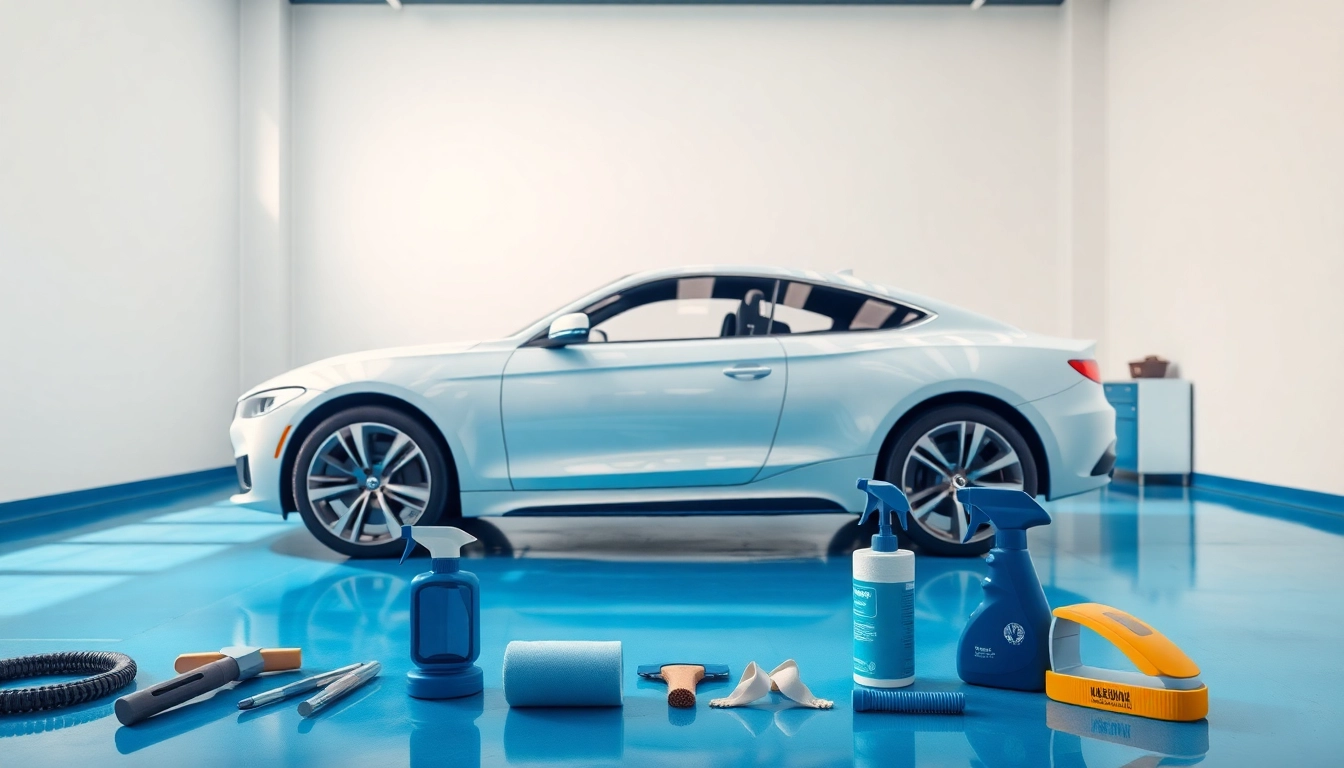
Before applying PPF, thorough preparation of the vehicle’s surface is vital. This includes washing and detailing the car to remove any dirt, grime, or contaminants. A clean surface ensures that the adhesive on the film bonds correctly. Additionally, inspect the paint for any existing imperfections or damage that may need correction before installation.
Proper Installation Techniques
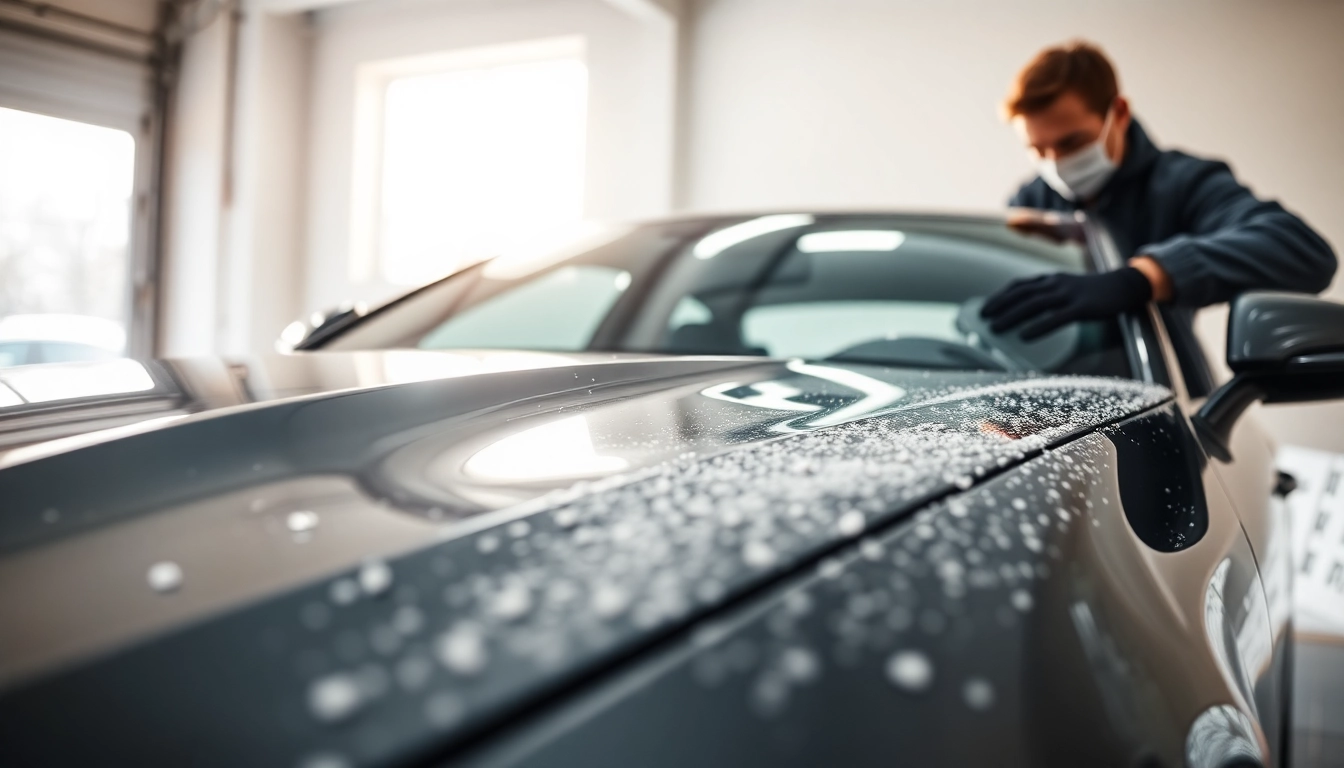
Following correct installation techniques is crucial for achieving the best results with PPF. The film should be applied in manageable sections, ensuring no bubbles or creases form during the process. Professionals often use heat tools to stretch the film and help it conform to the vehicle’s curves and edges. After installation, it's important to squeegee out any trapped air and ensure the film fully adheres to the surface.
Post-Application Care
Once PPF has been applied, proper care is essential to maximize its lifespan. Avoid washing your car for at least a week to allow the adhesive to cure properly. When you do wash the vehicle, use a gentle, pH-neutral soap and avoid automatic car washes with brushes that could scratch the film. Inspect the film regularly for any signs of damage and follow care instructions provided by the manufacturer for the best results.
FAQs About PPF Winter Road Salt Protection
How long does PPF last?
PPF can last up to 10 years, depending on care and environmental conditions. High-quality films often come with warranties that cover this duration.
Can PPF be removed?
Yes, PPF can be safely removed without damaging the vehicle's paint. Professional installation ensures that it's removed cleanly, preserving your car’s finish.
Is PPF worth the investment?
Yes, PPF protects against costly repair expenses and helps maintain your vehicle's aesthetic appeal long-term, making it a valuable investment.
Will PPF affect my vehicle's appearance?
No, high-quality PPF is nearly invisible and can enhance the look of your car, helping to maintain its original shine and color.
Can I wash my car after applying PPF?
It is recommended to wait at least a week before washing your car to allow the PPF adhesive to fully cure and adhere to the surface.