Understanding Steel Fabrication Shop Basics
Steel fabrication is a crucial component in various industries, providing the backbone for infrastructure, manufacturing, and construction projects. A steel fabrication shop specializes in converting raw steel into finished products. Understanding the fundamentals of steel fabrication can help stakeholders appreciate the processes, challenges, and innovations within this sector.
What is Steel Fabrication?
Steel fabrication refers to the process of transforming raw steel into usable products through various methods, including cutting, welding, assembling, and finishing. This process plays an essential role in creating structures that range from buildings to bridges and machinery components. The resources and expertise found in a steel fabrication shop allow for customizable and efficient solutions tailored to meet specific project needs.
The Importance of Quality Control
In steel fabrication, quality control is paramount. It ensures that the final products meet the required specifications and standards. Quality control involves several steps, including inspections of raw materials, monitoring throughout the fabrication process, and testing the final products. Implementing strict quality control measures helps to reduce errors, minimize material wastage, and enhance customer satisfaction. Therefore, a dedicated quality assurance team is essential for maintaining high standards within a steel fabrication shop.
Common Services in a Steel Fabrication Shop
Steel fabrication shops typically offer a variety of services that cater to different industries. Common services include:
- Custom fabrication: Tailoring products to meet specific client requirements.
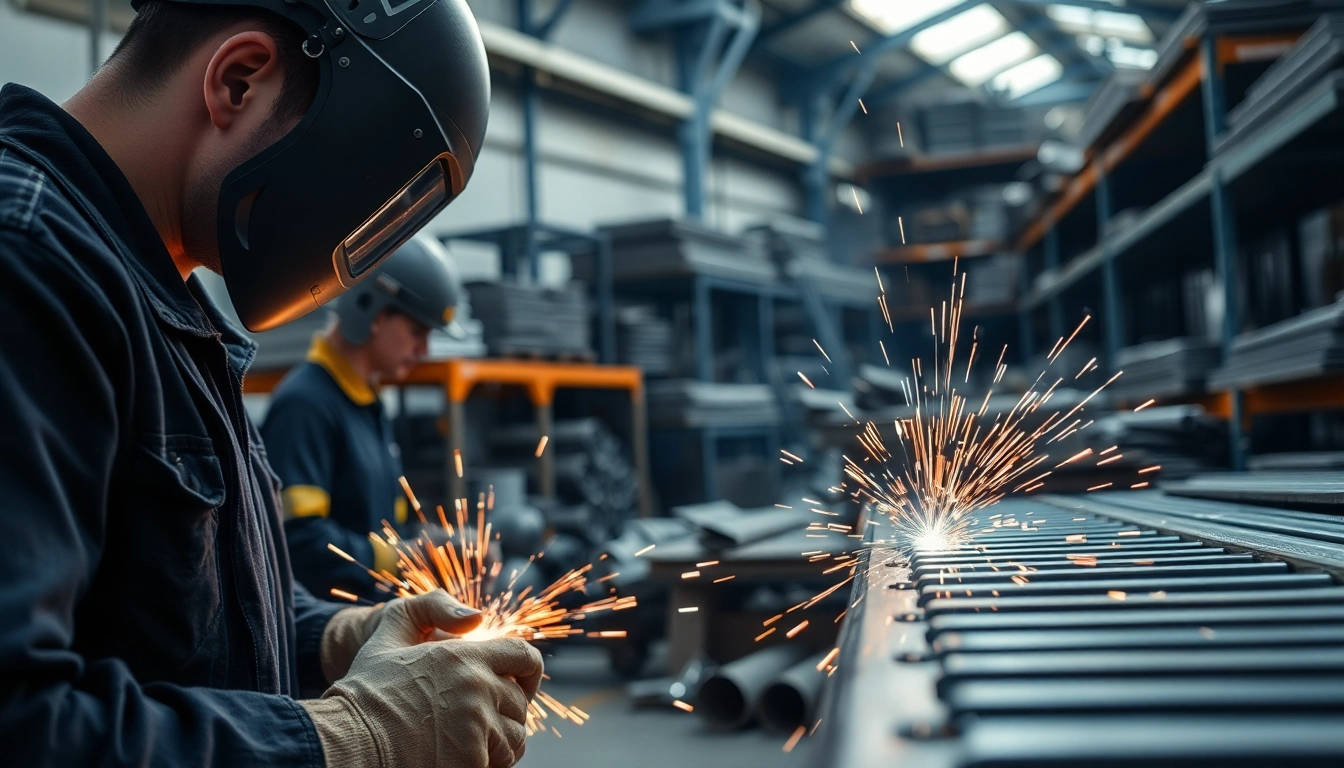
- Welding: Joining steel components together using heat and pressure.
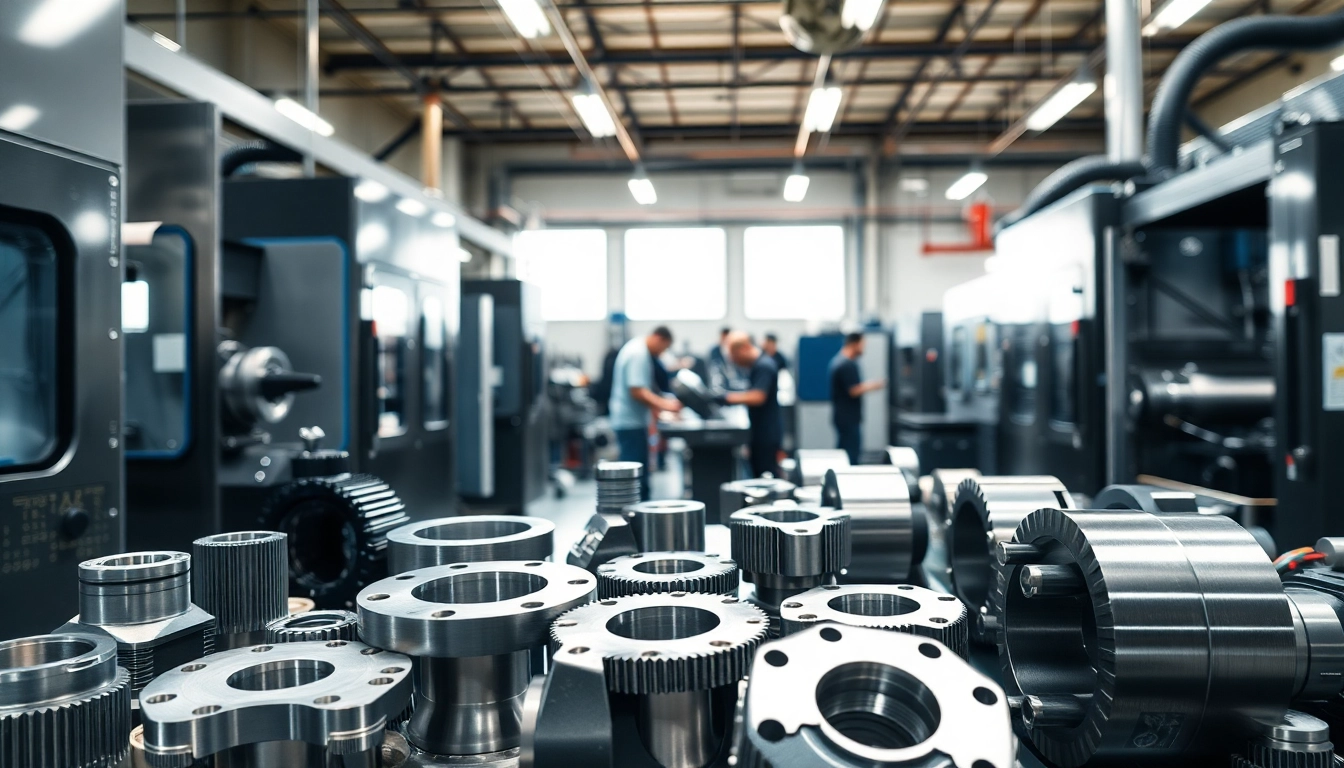
- Machining: Shaping and finishing steel through cutting, drilling, and grinding.
- Assembly: Bringing together various steel components into finished products.
- Metal finishing: Applying protective coatings or treatments to enhance durability and appearance.
Key Equipment for Steel Fabrication Shops
The efficiency and effectiveness of a steel fabrication shop largely depend on the quality and capability of its equipment. Investing in the right machinery and tools is essential for optimal performance.
Essential Tools and Machinery
A well-equipped steel fabrication shop should utilize a variety of essential tools and machines, including:
- Plasma cutters: Provide precise cutting capabilities for various metal thicknesses.
- Band saws: Ideal for cutting metal smoothly and accurately.
- Welding machines: Crucial for joining metal parts together securely.
- CNC machines: Facilitate automated and highly precise cutting and drilling processes.
- Hydraulic shears: Useful for cutting large sheets of steel quickly.
Maintenance of Equipment
Regular maintenance of equipment is vital to ensure longevity and optimal functionality. Preventive maintenance helps to identify potential issues before they escalate, saving time and costs in repairs. Steel fabrication shops should establish a scheduled maintenance plan that includes:
- Routine inspections to catch wear and tear early.
- Lubrication of moving parts to prevent friction-related damages.
- Calibrating machines to maintain precision in operations.
Innovative Technologies in Steel Fabrication
The steel fabrication sector is witnessing significant advancements through innovative technologies. These new technologies can enhance efficiency, accuracy, and overall productivity. Emerging innovations include:
- 3D printing: Allowing for rapid prototyping and customized designs.
- Robotic welding: Increasing speed and consistency in welding processes.
- Artificial Intelligence (AI): Used for predictive maintenance and optimizing production schedules.
Streamlining Operations in Your Steel Fabrication Shop
Optimizing operations is crucial for maximizing productivity and profitability in a steel fabrication shop. With a strategic approach, shops can enhance workflow efficiency.
Workflow Development
Establishing a clear and efficient workflow is fundamental to running a productive fabrication shop. Key elements to consider when developing a workflow include:
- Process mapping: Identify each step in the fabrication process to spot inefficiencies.
- Resource allocation: Ensure that materials, tools, and workers are utilized judiciously.
- Continuous feedback: Encourage team members to provide feedback on workflow challenges and improvements.
Effective Project Management
Efficient project management is critical in a steel fabrication shop. Implementing a project management system helps track timelines, budgets, and resources. Key practices for effective management include:
- Defining clear project goals and deliverables.
- Utilizing project management software for real-time updates and communication.
- Regular progress reviews to ensure projects stay on track.
Reducing Waste and Increasing Efficiency
Waste reduction is not only environmentally responsible but also economically beneficial. Strategies to reduce waste while increasing efficiency include:
- Implementing lean manufacturing principles: Focus on value-adding activities while eliminating waste.
- Recycling scrap metal: Contributing to a circular economy and reducing material costs.
- Optimizing inventory management: Ensure that raw materials are ordered and utilized efficiently.
Best Practices for Steel Fabrication Shops
To sustain operational excellence, steel fabrication shops must adopt best practices across various aspects of their operations. These practices support safety, quality, and productivity.
Safety Standards and Training
Safety should be a top priority in any steel fabrication shop. Implementing rigorous safety standards and conducting regular training ensures that all employees are aware of best practices to minimize risks. Safety protocols may include:
- Providing personal protective equipment (PPE) like helmets, gloves, and glasses.
- Establishing clear operating procedures for machinery.
- Conducting regular safety drills and workshops.
Quality Assurance Processes
Quality assurance is essential to fulfill customer expectations and industry standards. Best practices for ensuring quality include:
- Developing standardized inspection processes at various stages of fabrication.
- Using high-grade materials and components.
- Maintaining detailed records of quality checks and actions taken.
Employee Productivity Tips
Employee productivity plays a significant role in the success of a steel fabrication shop. To enhance productivity, consider implementing:
- Incentive programs for meeting or exceeding production targets.
- Training and upskilling opportunities to foster employee growth.
- Regular team meetings to discuss challenges and celebrate successes.
Future Trends in Steel Fabrication
The steel fabrication industry is continuously evolving. Keeping abreast of future trends enables shops to remain competitive and innovative. Below, we explore key trends shaping the future of steel fabrication.
Sustainable Practices in Fabrication
Sustainability is becoming a focus in steel fabrication. Eco-friendly practices such as reducing energy consumption, recycling scrap materials, and utilizing alternative energies are gaining traction. By adopting sustainable strategies, steel fabrication shops can reduce their carbon footprint and appeal to environmentally-conscious clients.
The Role of Automation
Automation is transforming the landscape of steel fabrication. Technologies such as robotic arms for welding and CNC machines for precision cutting allow for enhanced productivity and safety. Implementing automation can mitigate human error and streamline operations, leading to increased output and reduced costs.
Adapting to Market Changes
The steel fabrication industry can be affected by various market changes, from fluctuating material costs to evolving client demands. To remain flexible, shops must invest in market analysis and trend forecasting. This adaptability ensures that fabrication shops can pivot operations and maintain a competitive edge, irrespective of market cycles.
Frequently Asked Questions
What is the typical process in a steel fabrication shop?
A typical process includes cutting, welding, machining, assembling, and finishing of steel structures to meet specific requirements.
How can I improve quality in my steel fabrication shop?
Implementing rigorous quality control measures, training staff regularly, and using high-grade materials can significantly enhance quality.
What safety measures should be taken in a steel fabrication shop?
Safety measures should include employee training, PPE usage, proper ventilation, and regular equipment inspections to prevent accidents.
How does automation impact steel fabrication shops?
Automation enhances efficiency, reduces errors, and lowers operating costs, allowing teams to focus on more complex tasks.
What materials are commonly used in steel fabrication?
Common materials include carbon steel, stainless steel, aluminum, and various alloys tailored for specific project requirements.