Understanding the Role of a Videographer
Definition and Responsibilities of a Videographer
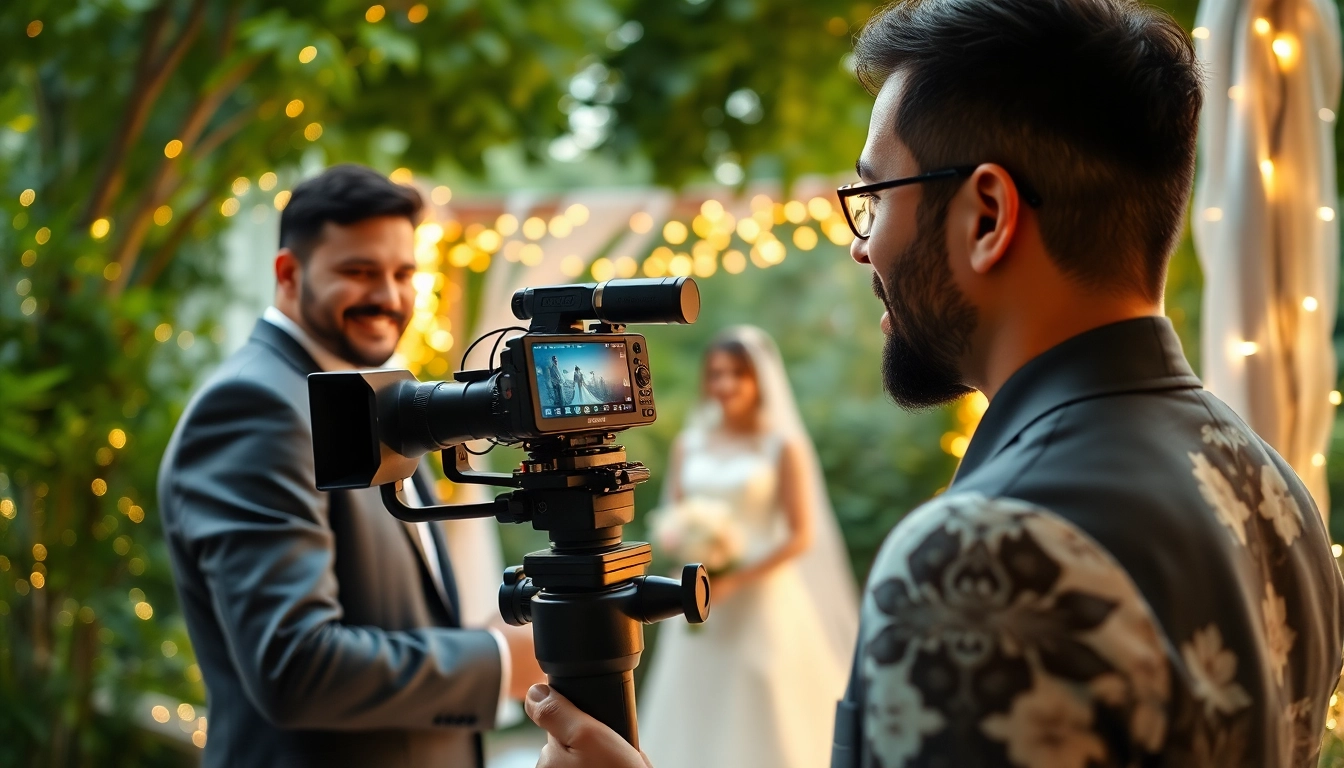
A Videographer is a professional who specializes in the art of capturing visual imagery through video, documenting events, creating narratives, and producing content that can engage, inform, and entertain audiences across various platforms. Unlike filmmakers who primarily work on longer productions, videographers focus on a diverse array of projects, from weddings and corporate events to promotional materials and documentaries. Their responsibilities extend beyond just capturing footage; they are also involved in planning shoots, setting up equipment, directing, and sometimes even editing the final content to meet client expectations.
Key Skills Required for a Successful Videographer
To excel as a videographer, one needs a specific skill set. This includes:
- Technical Skills: Proficiency in operating cameras, audio recording equipment, and lighting tools is paramount.
- Creativity: The ability to think creatively and develop a unique visual style that suits the project.
- Attention to Detail: A keen eye for detail ensures clarity, composition, and effective storytelling through visuals.
- Communication: The capacity to effectively communicate with clients, team members, and subjects during filming.
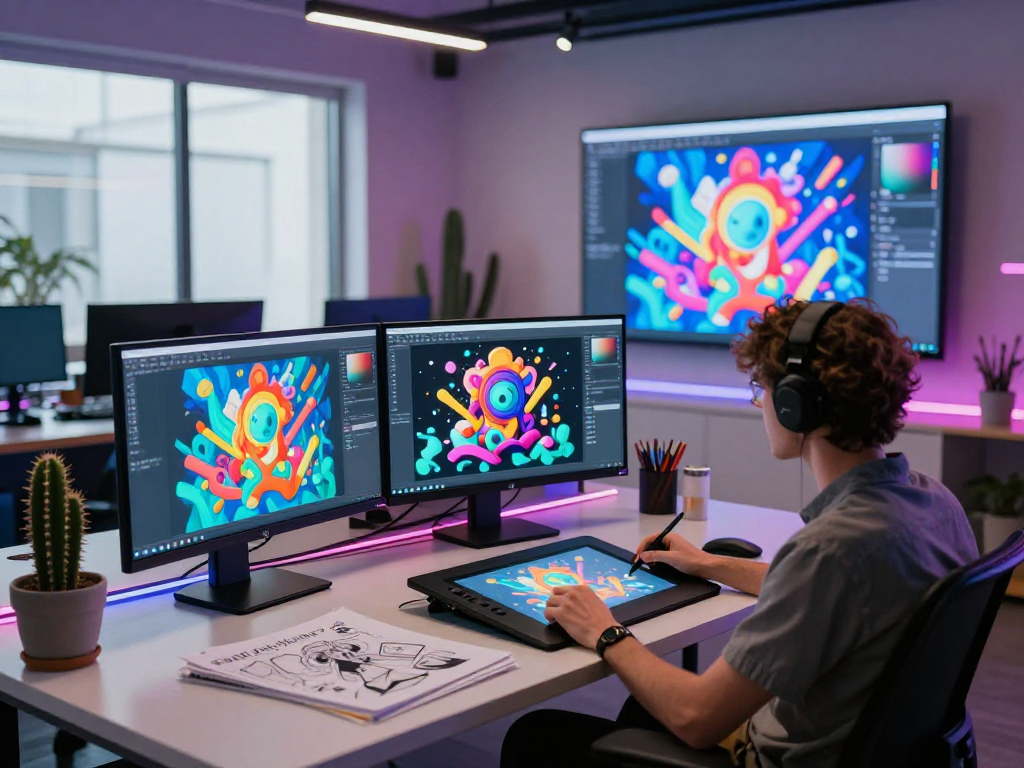
- Editing Proficiency: Skills in video editing software are essential for assembling the footage into a cohesive final product.
Types of Videographers and Their Specializations
Videographers can specialize in various fields, adapting their skills to meet specific demands. Common types include:
- Event Videographers: They capture events such as weddings, parties, and corporate functions.
- Commercial Videographers: Focused on creating promotional videos for businesses, often requiring a strong understanding of branding and marketing.
- Documentary Videographers: They tell stories through interviews and real-life footage, often delving into profound narratives.
- Corporate Videographers: They produce training videos, corporate announcements, and other internal communication materials.
- Freelance Videographers: Those who operate independently, often diversifying their portfolio across several different types of projects.
Essential Equipment for Every Videographer
Camera Choices for Diverse Videography Needs
The right camera can vastly improve the quality of the videos produced. Different projects require different camera features:
- DSLR Cameras: Versatile and suitable for a variety of shooting conditions.
- Mirrorless Cameras: Compact with advanced video capabilities and interchangeable lenses.
- Camcorders: Often optimized for video recording, making them ideal for events and longer formats.
- Action Cameras: Great for dynamic shooting environments, including sports and adventure videography.
Additional Gear Every Videographer Should Have
Besides a camera, several other tools are essential for videographers:
- Tripods: Stability in filming ensures smoother shots.
- Microphones: Quality audio can elevate video projects significantly.
- Lighting Kits: Proper lighting is critical for enhancing visual quality.
- Drone Equipment: For aerial shots and unique perspectives, drones are increasingly popular.
Budgeting Smartly for Videography Equipment
Budgeting is crucial, especially for aspiring videographers. Investing in high-quality gear can be expensive, but there are strategies to manage costs:
- Prioritize Essentials: First, invest in equipment that will impact your work the most, such as a reliable camera and microphone.
- Seek Used Gear: Consider purchasing second-hand equipment from reputable sellers or platforms.
- Renting Equipment: Renting can provide access to high-end gear without the burden of a full purchase.
Techniques to Enhance Your Videography
Storytelling through Video: Techniques for Engagement
Effective storytelling is at the heart of videography. It involves structuring your videos to engage the audience. Here are key techniques:
- Developing a Narrative Arc: Ensure that your video has a clear beginning, middle, and end to keep viewers engaged.
- Creating Emotional Connections: Utilize personal stories, interviews, or relatable content to build empathy.
- Utilizing Visual Metaphors: These can provide deeper meanings and layers to your story.
Lighting Techniques Every Videographer Should Know
Lighting plays an essential role in video quality. Here are basic lighting techniques:
- Three-Point Lighting: This method uses key, fill, and back lighting to create a balanced and professional look.
- Natural Lighting: Using sunlight can create a beautiful aesthetic; however, it does require planning and adaptability.
- Lighting Modifiers: Products like softboxes or reflectors can enhance and control the lighting quality.
Editing Tips to Elevate Your Videography Projects
The editing stage is where you can refine your videos and add impactful elements. Here are some tips for effective video editing:
- Cut with Purpose: Each cut should serve to advance the story or highlight a moment.
- Add Sound Design: Layering sound effects, music, and voiceovers can greatly enhance engagement.
- Color Grading: This process adjusts the colors in your video, helping to establish tone and mood.
Building a Successful Videographer Portfolio
Selecting Your Best Work for Portfolio Inclusion
Your portfolio is your calling card as a videographer. To create an impactful portfolio:
- Showcase Diversity: Include different styles and formats to demonstrate your range.
- Highlight Your Best Work: Focus on quality over quantity; select pieces that genuinely reflect your skills.
- Keep It Updated: Regularly refresh your portfolio to reflect your evolving style and capabilities.
Creating an Online Presence as a Videographer
An online presence is essential in today's digital age:
- Build a Professional Website: Your website should showcase your work, provide information about your services, and include contact information.
- Leverage Social Media: Platforms like Instagram and YouTube can help you reach wider audiences and showcase your latest projects.
- Engage with the Community: Join forums and groups related to videography to share knowledge and build relationships.
Networking Strategies for Aspiring Videographers
Networking is crucial for career growth. Here are some strategies:
- Attend Workshops and Events: Participating in industry events can connect you with established professionals.
- Collaborate on Projects: Teaming up with other creatives can open doors and expand your network.
- Utilize Online Platforms: Sites tailored for creatives can help you connect with others in your field.
Future Trends for Videographers
Emerging Technologies in Videography
Staying ahead in videography means being aware of emerging technologies:
- 360-Degree Video: This immersive format provides a new way for audiences to experience content.
- Virtual Reality (VR): As VR technology evolves, the demand for specialized videography will increase.
- Artificial Intelligence: AI tools are now being used for editing, organization, and even shooting assistance.
Freelancing vs. In-House Videography Opportunities
A videographer's career can take different paths:
- Freelancing: Offers independence and flexibility, but can be inconsistent.
- In-House Positions: Provide stability and often a regular paycheck, but may limit creative freedom.
Adapting to Changes in Client Needs and Industry Standards
The videography landscape is continually evolving, and successful videographers must adapt:
- Stay Informed: Keep up to date with industry trends, technology, and audience preferences.
- Embrace Feedback: Be open to client input to adjust your style and approach to meet their needs.
- Continual Learning: Invest in courses and training to expand your skill set and adaptability.