Understanding the Role of a Videographer
A videographer is an essential player in the world of visual storytelling, skillfully capturing and producing videos that convey powerful narratives. Whether it's a wedding, corporate event, documentary, or creative project, the art of videography combines technical skills with creative flair to bring stories to life. To gain a clearer insight into this profession, we’ll dive deeper into what a videographer does, the core skills required, and the significance of their work in storytelling.
What Does a Videographer Do?
The role of a videographer encompasses a variety of responsibilities that may vary based on the project’s nature but generally includes:
- Conceptualization and Planning: Understanding the project's vision and objectives and helping define the narrative flow.
- Pre-Production: This stage involves storyboarding, scripting, and coordinating logistics such as location scouting and scheduling interviews.
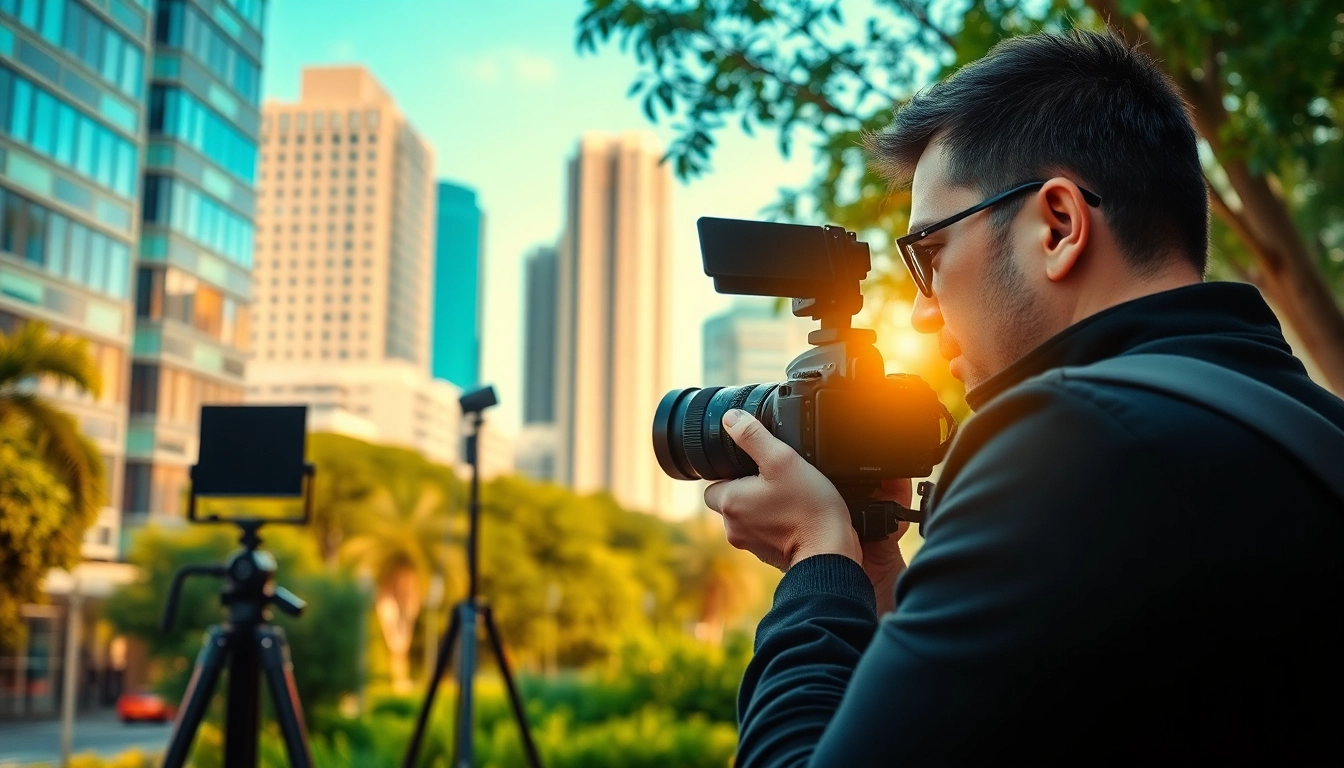
- Filming: Operating cameras and managing the set during the shoot, which includes directing subjects and ensuring that lighting and audio equipment are set up effectively.
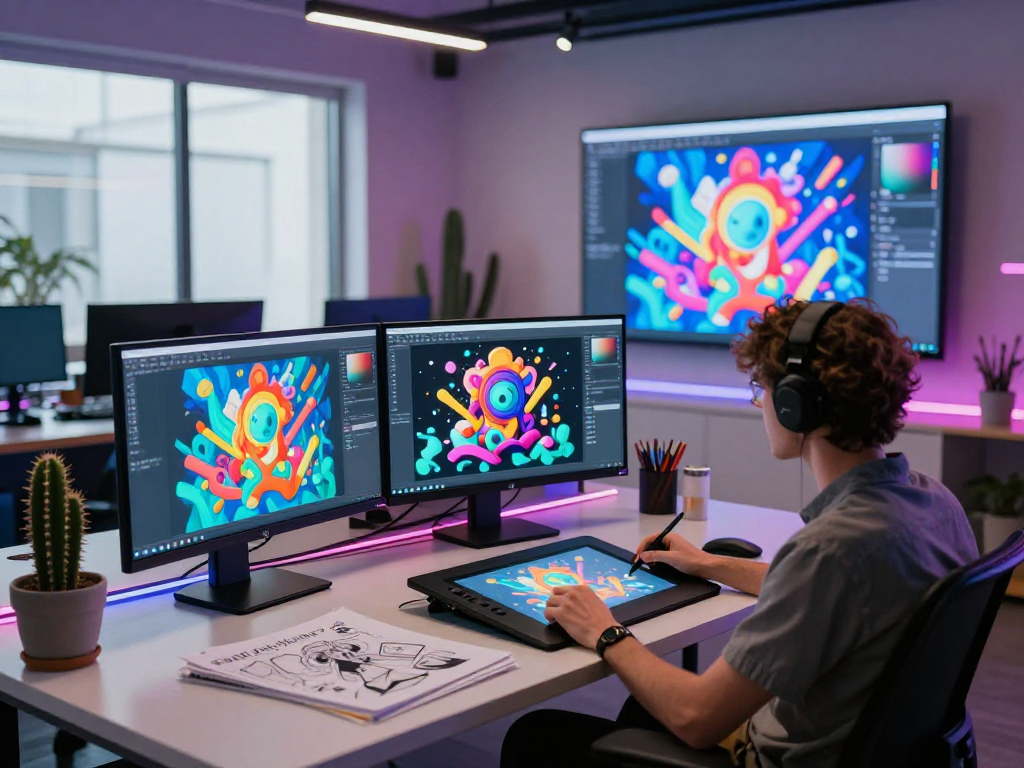
- Editing: Post-production work includes cutting footage, adding effects, transitions, and sound, resulting in a polished final product.
- Distribution: Sometimes, videographers help strategize how and where the video will be shared or displayed.
Core Skills of a Videographer
A successful videographer possesses a unique blend of technical and creative skills, including:
- Technical Proficiency: Familiarity with video cameras, lighting equipment, and audio recording tools.
- Editing Skills: Proficiency in editing software like Adobe Premiere Pro, Final Cut Pro, or DaVinci Resolve.
- Storytelling Ability: Understanding how to craft a story through visuals, pacing, and sound design.
- Attention to Detail: Ensuring every aspect of the production meets high standards, from visuals to audio quality.
- Interpersonal Skills: Ability to communicate and work effectively with clients, subjects, and team members to achieve the desired outcome.
The Importance of Videography in Storytelling
Videography plays a crucial role in conveying stories in a way that resonates with audiences. It combines visual and auditory elements to evoke emotions and engage viewers. High-quality videography can:
- Capture moments that are often fleeting, preserving memories for years to come.
- Enhance marketing and business presentations, bringing products or messages to life.
- Visualize complex concepts or processes in an easily digestible format.
- Showcase creativity in artistic endeavors, whether for personal projects or professional commissions.
In today's digital landscape, video content is vital; it captures attention and communicates messages far more effectively than text alone. Thus, partnering with a skilled Videographer can significantly elevate the quality of any project.
Choosing the Right Videographer for Your Needs
Selecting the right videographer is crucial for ensuring your vision is accurately translated into a captivating video. Several considerations are paramount in making this decision.
Identifying Your Project Requirements
Before you search for a videographer, it's essential to identify your specific needs. Considerations might include:
- Type of Video: Are you looking for a wedding video, corporate project, documentary, or social media clip?
- Style and Tone: What aesthetic do you envision? Should it be formal, casual, artistic, or informative?
- Length: How long should the final product be? This can affect pricing and editing time.
- Target Audience: Who will be watching this video, and how can its style cater to their preferences?
Evaluating Experience and Portfolio
Once you've outlined your project requirements, the next step is to evaluate potential videographers:
- Portfolio Review: Review their previous work to assess their style, quality, and versatility. Look for projects similar to yours.
- Client Testimonials: Don't hesitate to ask for references or read reviews to understand the videographer's reliability and professionalism.
- Diversity and Flexibility: Check if they have experience across various platforms and formats which could provide insights into their adaptability.
Understanding Cost and Budget Considerations
Cost is often one of the most significant factors in selecting a videographer. Understanding the pricing landscape can help you navigate this:
- Market Rates: Research typical costs for the type of video you want. Prices can vary greatly based on experience and location.
- Package Offers: Some videographers might provide bundled services (e.g., planning, shooting, and editing) which can be more economical.
- Budget Flexibility: Be prepared to discuss your budget openly, as some videographers may offer customized solutions.
Best Practices for Working with a Videographer
To achieve the best results, effective collaboration with your videographer is essential. Here are some best practices for a smooth working relationship.
Communicating Your Vision
Effective communication is the cornerstone of successful videography. Be clear about your goals, expectations, and preferences. Consider:
- Detailed Briefing: Provide a comprehensive brief that outlines your vision, including examples of styles or themes you like.
- Regular Check-ins: Schedule meetings to discuss progress and any potential adjustments to the project as it evolves.
- Open Feedback Loop: Create an environment where feedback is encouraged; this can lead to a more refined final product.
Preparing for the Shoot
Preparation is key to efficient and successful filming. Ensure that everyone involved is informed and ready:
- Location Scouting: Help your videographer scout locations in advance to ensure that desired settings are ideal for filming.
- Organize Schedules: Confirm that everyone involved in the shoot, including talent and crew, is aware of the schedule.
- Have a Backup Plan: Be prepared for any unforeseen circumstances, such as bad weather or equipment failure, by having alternative plans in place.
Reviewing and Approving Final Edits
Once the editing process is underway, engage in the review process thoughtfully:
- Check for Alignment: Ensure that the edits accurately reflect your initial vision and project requirements.
- Provide Clear Feedback: When reviewing, offer constructive critique, highlighting what you like and what could be improved.
- Approval Process: Set milestones for draft deliveries to streamline the approval process and reduce revisions time.
Trends in Videography
The world of videography is continually evolving, shaped by both technological advancements and shifting audience preferences. Staying informed about current trends is vital for any videographer aiming to maintain relevancy and innovation.
Emerging Technology in Videography
Modern videographers are leveraging new technology to enhance their craft:
- Drone Videography: Aerial footage offers unique perspectives and has become increasingly popular for weddings, events, and real estate.
- 4K and 8K Resolution: Higher resolution options provide stunning clarity that enriches the viewer's experience.
- Live Streaming: Many videographers are now offering live streaming services, allowing events to be shared in real time with remote audiences.
Popular Styles and Formats
Audience preferences dictate popular styles and formats in videography:
- Documentary Styles: Raw and authentic storytelling has become a trend, showcasing real events and individuals in compelling ways.
- Short-Form Content: As attention spans decrease, short, impactful videos are favored, particularly on social media platforms.
- Story-Driven Marketing: Brands increasingly employ narrative-driven videos to connect deeply with audiences.
Maintaining a Competitive Edge
To stand out amidst a crowded market, videographers must consistently hone their skills and adapt to changes.
- Continuous Learning: Engage in ongoing education through workshops, tutorials, and industry conferences.
- Networking: Build relationships with other creatives and industry professionals to stay informed and inspired.
- Seeking Feedback: Regularly evaluate one’s work through critiques from peers and clients for improvement and growth.
Case Studies of Successful Videography Projects
Examining successful videography projects can provide valuable insights into effective strategies and techniques. Here, we explore various examples across different genres.
Event Highlights and Coverage
Event videography captures the essence of moments that matter:
- Consider a multi-camera setup to capture different angles and interactions during weddings or corporate events, resulting in a dynamic overview of the event.
- Engage attendees with interviews or candid moments that create a narrative, making the footage engaging long after the event concludes.
Documentary Filmmaking Examples
Documentary-style projects allow for deep exploration and storytelling:
- Utilizing interviews and B-roll footage can create a comprehensive view of the subject, enhancing narrative depth.
- Incorporating archival materials can augment the storytelling, providing context and historical background.
Corporate Video Success Stories
Corporate videography can effectively communicate brand values and mission:
- Showcase employee behind-the-scenes segments to highlight company culture and create a connection with potential job seekers and clients alike.
- Use testimonials and case studies to illustrate service effectiveness and build trust with prospective customers.