Understanding Chafing Dishes
What is a Chafing Dish?
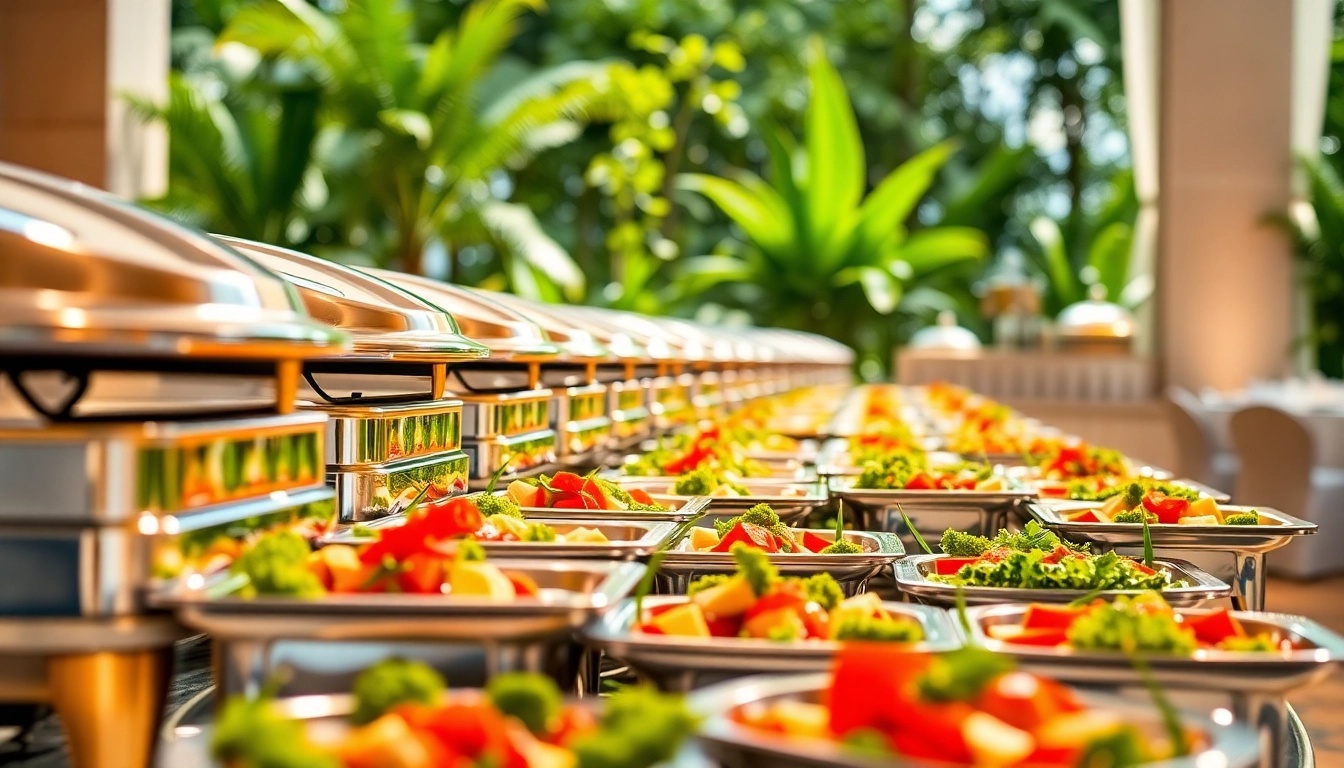
A chafing dish is an essential tool used in the catering and restaurant industry designed primarily for keeping food warm during service. Typically made from stainless steel, it operates using a water bath method to maintain a steady temperature for buffet-style serving. With options ranging from simple to elaborate designs, chafing dishes can elevate the presentation and functionality of any meal service, making them vital for events of all sizes—from intimate gatherings to large-scale celebrations.
How Chafing Dishes Work
Chafing dishes employ a time-tested mechanism to keep food warm. Here’s how it functions:
- Water Bath: The dish consists of a shallow pan that holds water, and a second pan that contains the food. The heat source, typically a sterno flame or electric warmer, heats the water, which in turn warms the food.
- Temperature Control: This indirect heating provides a gentle and consistent temperature, preventing burning or drying out of the food.
- Accessibility: Chafing dishes often come with lids to retain heat while allowing easy access for serving, ensuring that food stays warm throughout service events.
Common Materials Used in Chafing Dishes
Chafing dishes are available in several materials, each with its own benefits:
- Stainless Steel: The most common material, praised for its durability, resistance to corrosion, and ease of cleaning.
- Aluminum: Lightweight and excellent at conducting heat, aluminum chafing dishes can be less expensive but may not provide the longevity of stainless steel options.
- Plastic: Often used for disposable options or lighter use, plastic chafing dishes should be heat resistant and suitable for the specific temperature of food service.
- Copper: Though more expensive, copper chafing dishes offer aesthetic appeal and superior heat conductivity, making them a luxurious choice for high-end events.
Choosing the Right Chafing Dish
Size Considerations for Your Event
Choosing the right size chafing dish is crucial for accommodating the volume of food and the number of guests:
- Guest Count: For small gatherings, a single full-size or a couple of half-size dishes may suffice. Larger events may require multiple full-size dishes to ensure everyone is served efficiently.
- Food Type: Consider the type of food being served; certain dishes like stews or pasta may require more space compared to appetizers.
- Space Availability: Assess your serving area; chafing dishes should fit comfortably on tables without overcrowding other items, ensuring easy access for guests.
Design and Style Options
The aesthetic of your chafing dish can significantly impact the overall presentation of your buffet:
- Traditional vs. Modern: Traditional stainless steel options are practical, while modern designs may incorporate elegant curves or finishes, allowing for personal style expression.
- Theme Coordination: Ensure the design aligns with your event theme, whether it's a formal wedding or casual outdoor gathering.
- Accessorizing: Consider adding decorative elements, such as table runners or floral arrangements, that complement the chafing dish and enhance visual appeal.
Cost and Quality Factors
When selecting a chafing dish, cost is a critical factor, but it should always be weighed against quality:
- Budget Constraints: Establish a budget considering quantity and quality; sometimes investing in a higher-quality product pays off in the long run.
- Brand Reputation: Research different manufacturers or suppliers known for their durability and design to avoid low-quality items that may compromise food safety or aesthetics.
- Warranty and Support: Products with good warranties generally indicate reliable quality and can offer peace of mind.
Setting Up Chafing Dishes
Location and Configuration Tips
Efficient arrangement is key to the success of any buffet. Here are important positioning considerations:
- Flow of Traffic: Set up in a logical sequence, guiding guests from one dish to the next while avoiding bottle-necking.
- Accessibility: Ensure dishes are at a comfortable height; tables that are too high or low can make serving awkward for guests.
- Avoiding Clutter: Keep serving utensils and space around each dish clean and organized, possibly with designated areas for napkins or plates.
Food Safety Guidelines
Maintaining food safety is paramount in buffet setups:
- Temperature Control: Hot foods should remain above 140°F (60°C) to prevent bacterial growth, while cold foods should be kept below 40°F (4°C).
- Time Limits: Foods should not be left out for extended periods; ideally, they should be consumed or replaced within two hours.
- Utensil Hygiene: Use separate utensils for each dish to avoid cross-contamination, and ensure they are regularly replaced if they fall or become contaminated.
Decorating Your Buffet Table
Aesthetics matter when it comes to food presentation:
- Table Coverings: Utilize table linens that complement the dish's style and theme of the event to create visual harmony.
- Centerpieces: Consider using decorations such as flowers, candles, or themed ornaments to draw attention to the buffet.
- Labeling Dishes: Use elegant labels to inform guests about the food being served, including any allergen information.
Maintaining Your Chafing Dishes
Cleaning and Care Procedures
Proper maintenance ensures the longevity of your chafing dishes:
- Immediate Cleaning: After events, clean chafing dishes promptly to prevent food residue from hardening and becoming difficult to remove.
- Recommended Cleaning Agents: Use non-abrasive cleaners and warm, soapy water; avoid steel wool that can scratch surfaces.
- Deep Cleaning: For heavy-duty cleaning, periodically use baking soda and vinegar to remove stains without damaging the finish.
Storage Solutions
Storing your chafing dishes properly can help avoid damage:
- Nesting Dishes: Many chafing dishes are designed to nest vertically which can save space in storage areas.
- Avoiding Scratches: Use soft materials between dishes to prevent scratching and denting during storage.
- Temperature Control: Store in a dry location free from extreme temperatures to maintain material integrity.
Repairing Common Damage
Even with proper care, chafing dishes may sustain wear and tear. Here’s how to handle repairs:
- Minor Scratches: Polishing with appropriate metal cleaner can reduce visibility.
- Loose Parts: Tightening screws or hinges on lids can enhance functionality and longevity.
- Professional Repair: For extensive damage, considering a professional repair service can be cost-effective compared to replacing the entire dish.
FAQs about Chafing Dishes
What types of food can be served in a chafing dish?
Chafing dishes are versatile and can serve a variety of foods, including meats, vegetables, pasta, and casseroles, provided they are kept at appropriate temperatures.
How do I keep food warm in a chafing dish?
Use a reliable heat source, typically sterno fuel or electric warmers. The water bath setup also helps in maintaining consistent warmth without direct heat.
Can I use chafing dishes outdoors?
Yes, but ensure they are on stable surfaces away from wind and direct sunlight. Use heat sources suitable for outdoor settings to ensure safety.
Are chafing dishes difficult to clean?
No, they are generally easy to clean with warm soapy water. Avoid abrasive cleaners that can scratch the surfaces.
What are alternatives to traditional chafing dishes?
Alternatives include warming trays, electric buffet servers, or even slow cookers for more casual service settings, depending on the event's needs.