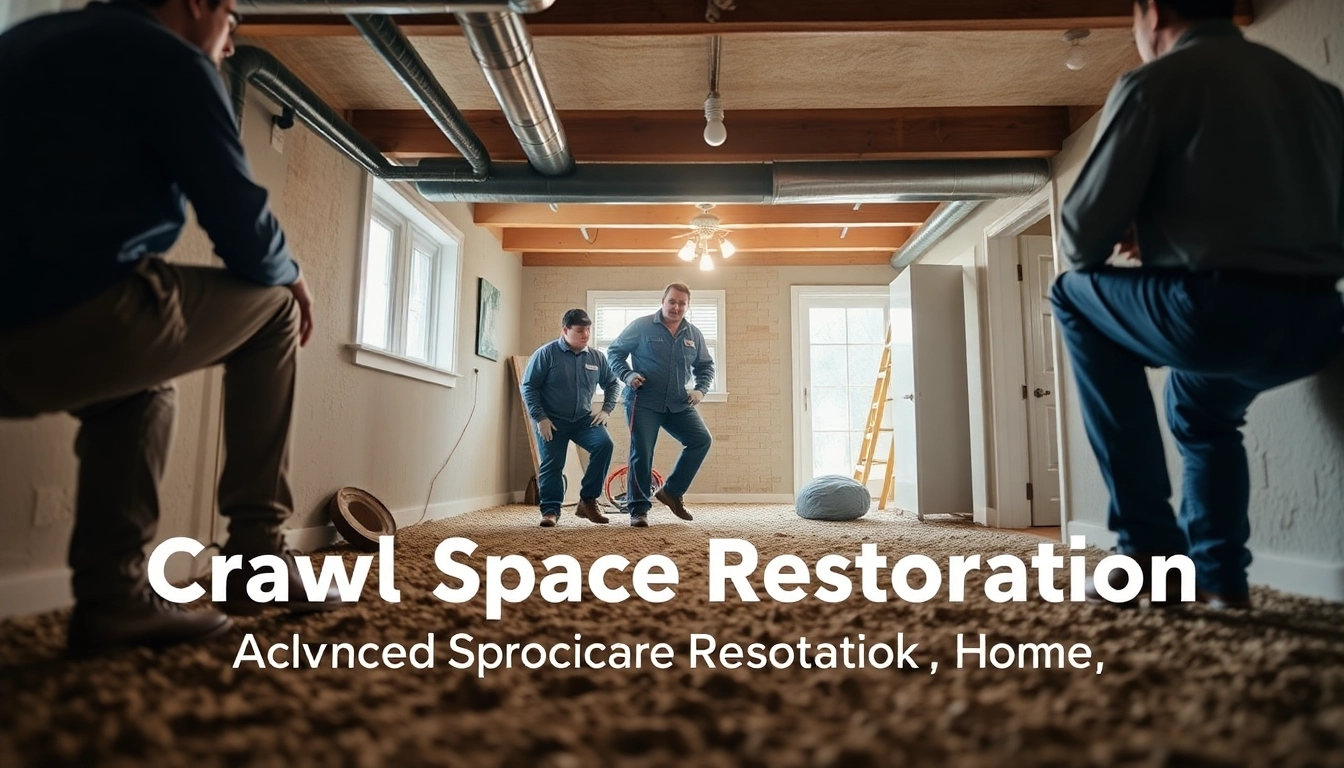
The Importance of Crawl Space Restoration
Your home is often your most valuable asset, and maintaining its integrity is crucial for your comfort and safety. One often-overlooked aspect of home maintenance is the crawl space. Crawl spaces are the hidden underbelly of your home, and when neglected, they can lead to a slew of problems. Regular Crawl Space Restoration can prevent costly repairs and enhance your home's overall health.
Understanding Crawl Space Issues
Crawl spaces can become problematic due to a variety of factors, including moisture accumulation, poor ventilation, and pest infestations. Moisture is particularly concerning as it can lead to mold growth, wood rot, and structural damage. Understanding these issues requires an awareness of environmental factors, building materials, and the overall design of your home. Often, homes are built with inadequately insulated crawl spaces, making them susceptible to external elements.
Consequences of Neglect
Neglecting crawl space maintenance can result in dire consequences. Structural damage is one of the most significant risks. Moist environments can weaken the foundation and lead to sagging floors. Additionally, stagnant moisture can lead to health concerns due to mold and mildew, negatively impacting air quality. Pests such as termites thrive in moist environments and can cause further damage to your home. The cost of ignoring these issues often far exceeds that of regular maintenance and timely restoration.
Benefits of Regular Maintenance
Regular maintenance of your crawl space offers numerous benefits, including improved air quality, enhanced home value, and prevention of costly repairs. Seasonal inspections can help identify issues early, allowing for prompt intervention. Ensuring your crawl space is vapor-sealed can significantly reduce moisture levels, improving indoor air quality and contributing to a healthier living environment. Moreover, maintaining your crawl space can extend the lifespan of your home's structure and systems, proving to be a cost-effective strategy in the long run.
Signs You Need Crawl Space Restoration
Visual Indicators of Damage
Homeowners should be vigilant for visual signs that indicate damage in their crawl space. Look for sagging floors above, water stains on walls, or signs of mold growth. Peeling paint on the lower walls and wood decay around beams can also signal problems below. If the crawl space is visually unappealing, in disarray, or has a musty smell, it’s time to consider restoration.
Common Environmental Factors
Several environmental factors can contribute to crawl space problems. Heavy rainfall, flooding, and poor drainage around your home can lead to water collection in the crawl space. Additionally, high humidity levels can exacerbate moisture issues and lead to mold growth. Understanding your local climate and the impact of seasonal changes is essential in anticipating potential problems that may require restoration.
Impact on Indoor Air Quality
One of the most significant impacts of an unmaintained crawl space is on indoor air quality. Contaminants from the crawl space can seep into the living area, leading to respiratory issues and allergies. Regular ventilation and moisture control can mitigate these effects, allowing for cleaner air circulation. Homeowners should prioritize crawl space inspections to maintain healthy air quality within their homes.
Steps Involved in Crawl Space Restoration
Initial Assessment and Inspection
The first step in crawl space restoration is a thorough assessment. A professional should inspect the area for visible damage, moisture levels, and pest infestations. Tools such as moisture meters and thermal imaging can help locate hidden issues. It's essential to address these problems early to prevent extensive damage and costly repairs.
Repair and Moisture Control Techniques
After assessment, the next step is implementing repair and moisture control techniques. This may involve sealing cracks, repairing structural damage, and installing vapor barriers to prevent moisture intrusion. Proper ventilation strategies, such as installing exhaust fans or vents, are also crucial in maintaining a dry environment. Additionally, the use of dehumidifiers can help regulate moisture levels, ensuring the crawl space remains dry and consistently safe.
Final Inspection and Maintenance Tips
Once repairs are completed, a final inspection should be conducted to ensure all work meets safety and quality standards. Regular maintenance is the key to a healthy crawl space. Homeowners should schedule periodic inspections at least once a year, looking for signs of moisture, pest activity, and general structural integrity. Keeping the area clean and free of debris will also help in maintaining optimal conditions.
Choosing the Right Professionals for Crawl Space Restoration
What to Look For
When selecting a contractor for crawl space restoration, consider their experience and specialization. It's essential to choose professionals who have a strong background in moisture control and structural repairs. Look for accreditations and certifications to ensure they are knowledgeable about best practices in the industry.
Questions to Ask Service Providers
Before hiring a restoration service, ask relevant questions such as:
- What is your experience with crawl space restoration?
- Can you provide references or case studies from past clients?
- What methods do you use for moisture control?
- What warranties do you provide on your work?
These inquiries can help you gauge their expertise and fit for your needs.
Cost Considerations
The cost of crawl space restoration can vary widely based on the extent of damage, materials used, and the region. On average, homeowners should be prepared for a range of pricing based on services rendered. It’s wise to obtain several estimates to understand market rates. Additionally, investing in preventative measures can save you money in the long run by avoiding larger repairs in the future.
Frequently Asked Questions about Crawl Space Restoration
What is Crawl Space Restoration?
Crawl Space Restoration involves repairing and maintaining the often-neglected area beneath a home, focusing on moisture control, structural repairs, and pest management.
How often should I check my crawl space?
It is recommended to inspect your crawl space at least once a year or more frequently after heavy rain or flooding to identify potential issues early.
Can I perform restoration myself?
While minor repairs may be DIY-friendly, it is best to hire professionals for significant issues like mold removal or structural repairs to ensure safety and quality.
What materials are used in restoration?
Common materials include vapor barriers, insulation, dehumidifiers, and sometimes concrete or wood for repairs, depending on the damage's nature and extent.
How long does the restoration process take?
The duration of crawl space restoration varies based on the extent of repairs needed; it can take from a few days to several weeks, depending on the work involved.