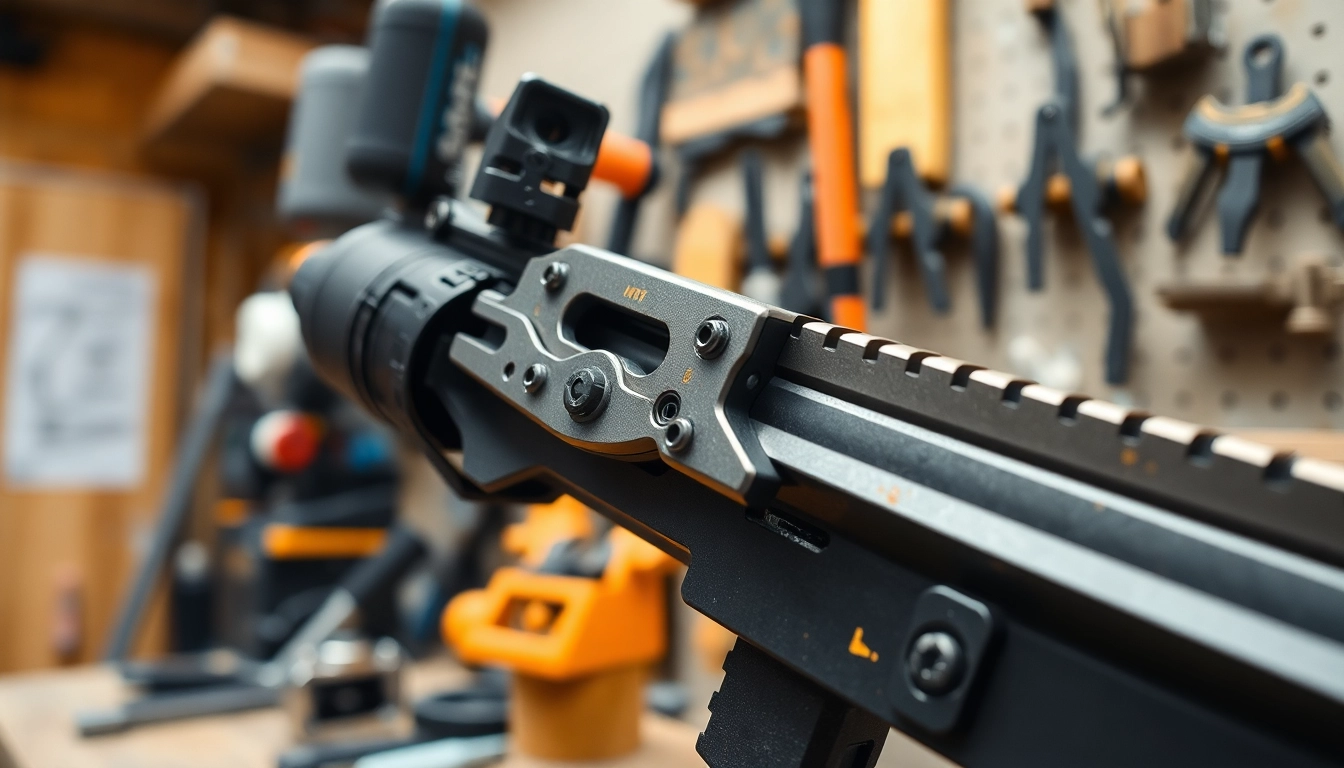
Understanding the AR 15 Trigger
What is an AR 15 Trigger?
The AR 15 trigger is a crucial component in the operation and performance of the AR 15 rifle platform. It controls the firing mechanism by allowing the shooter to discharge the rifle upon pulling the trigger. Understanding its functionality is essential for making informed decisions about upgrades and replacements.
Types of AR 15 Triggers Available
There are several types of AR 15 triggers available, each designed to meet different shooting needs and preferences. The most common typologies include:
- Single-Stage Triggers: These triggers have a direct pull that results in firing with one smooth motion. They are favored for their simplicity and can be easier to master for novice shooters.
- Two-Stage Triggers: These provide a two-part pull that allows shooters to feel a 'wall' before the trigger breaks. This feature makes them excellent for precision shooting as it helps with control and timing.
- Drop-In Triggers: Easy to install, these triggers are designed for those looking for a quick upgrade without extensive gunsmithing. They often come pre-assembled for convenience.
- Match Triggers: These triggers are engineered for competition and offer light pull weights and minimal overtravel for rapid successive shots.
How an AR 15 Trigger Works
Understanding how the AR 15 trigger operates is essential for both effective shooting and maintenance. When the trigger is pulled, it disengages the hammer or striker from a cocked position, allowing it to strike the firing pin against the cartridge. Each pull must be calibrated to ensure consistent performance; any grit or stiffness can affect shot accuracy.
Factors to Consider When Selecting an AR 15 Trigger
Weight and Pull Distance
The weight of the trigger pull directly impacts shooting performance. A lighter pull can enhance rapid shooting, while a heavier pull may aid in precision control. The general consensus suggests that a weight between 3 to 5 pounds strikes the right balance for most shooters. Pull distance, or travel, is equally important as it affects the feel of the trigger during use.
Single-Stage vs. Two-Stage Triggers
This selection is pivotal and often boils down to personal preference. Single-stage triggers provide a smooth experience, advantageous for quick shots, while two-stage triggers offer a more tactile and controlled approach, preferred in precision shooting scenarios. Testing both types is advisable to find which offers the best performance aligned with your shooting style.
Material and Build Quality
The longevity and reliability of triggers heavily rely on their materials. Look for triggers made of high-quality metals such as stainless steel or aluminum alloys. Superior materials not only enhance performance but also contribute to the overall durability of the component, mitigating the risk of malfunctions over time.
Upgrading Your AR 15 Trigger
Benefits of Trigger Upgrades
Upgrading your AR 15 trigger can result in dramatically improved shooting experiences. Enhanced triggers minimize creep, increase responsiveness, and reduce the overall weight of the pull. This upgrade can make a significant impact on accuracy, particularly in competitive environments where precision is paramount.
Common Symptoms Indicating a Need for Replacement
Several indicators can signal the need for a trigger replacement or upgrade. A gritty or overly heavy pull, unintended hammer drops, or inconsistent reset functions are clear signs that your current trigger may require attention. If you notice any inconsistency in performance, it may be time for an upgrade.
How to Choose an Upgrade
When selecting an upgrade, consider the type of shooting you perform. Competitive shooters may benefit from match-grade triggers, while tactical applications may require something more robust. Additionally, reading reviews, understanding material quality, and choosing reputable manufacturers can guide you in making an educated choice.
Installation and Maintenance Tips
Step-by-Step Installation Process
Installing an AR 15 trigger can be manageable with some basic tools and knowledge. Here’s a simplified process:
- Ensure the firearm is unloaded and clear.
- Remove the handguard and lower receiver from the upper receiver.
- Disassemble the old trigger assembly, taking care to note the order of operation.
- Install the new trigger, ensuring proper alignment with the hammer and disconnector.
- Reassemble the lower receiver and test function before reattaching the upper.
Regular Maintenance for Longevity
Regular maintenance checks are essential for ensuring smooth operation. Cleaning the trigger mechanism and applying lubricant to keep the components functioning correctly is recommended after every significant use. Routine inspection for wear and tear can spot potential problems before they escalate.
Tools Required for Installation
Basic tools needed for successful AR 15 trigger installation include:
- Flathead screwdriver
- Punch set or hammer
- Torque wrench
- Gun cleaning kit
Frequently Asked Questions About AR 15 Triggers
1. What is the best trigger for an AR-15?
While preferences vary, many shooters favor triggers offering a smooth pull with minimal overtravel for ideal performance on the range.
2. Are drop-in triggers worth the investment?
Drop-in triggers are highly regarded due to their ease of installation and noticeable performance enhancement in most cases.
3. Can I install an AR 15 trigger myself?
Yes, many shooters install their own triggers with basic tools. However, following a detailed guide ensures successful installation.
4. How often should I maintain my AR 15 trigger?
Regular cleaning and maintenance checks should occur after significant use to ensure continued performance and longevity.
5. What materials should I look for in a quality AR 15 trigger?
For quality assurance, seek triggers composed of durable materials such as mil-spec steel or high-grade aluminum, important for reliability.