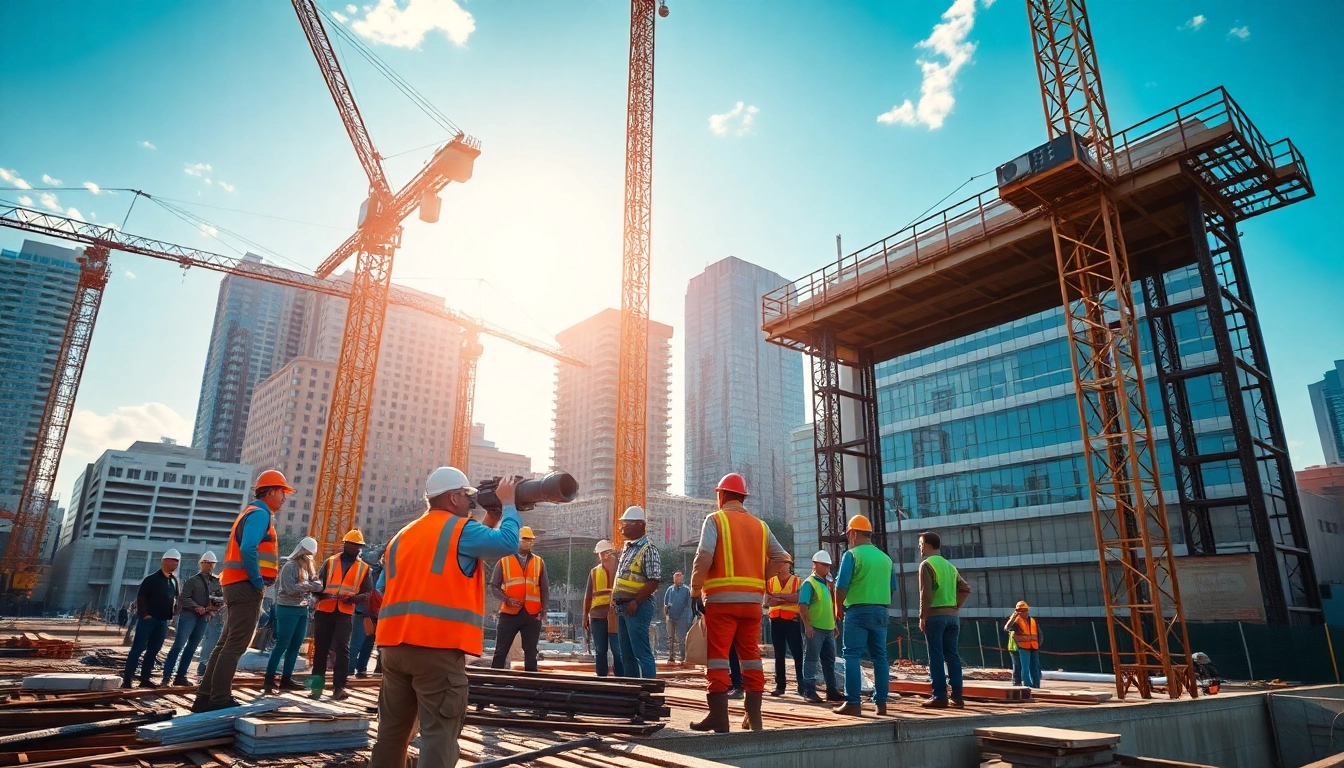
Understanding Austin Construction Trends
Austin, Texas, has witnessed significant growth in its construction sector, driven by a booming population, a vibrant economy, and a commitment to innovation and sustainability. As one of the fastest-growing cities in the United States, the demand for residential, commercial, and infrastructure projects continues to escalate. In this context, understanding the latest trends in Austin construction is crucial for industry stakeholders, including contractors, developers, architects, and policymakers. This article provides a comprehensive analysis of the current trends, challenges, best practices, and the future outlook of the construction landscape in Austin.
Key Market Drivers in Austin Construction
Several key factors contribute to the growth of the construction market in Austin:
- Population Growth: Austin's population is on a steady upward trajectory, leading to increased housing demand and urban growth.
- Economic Expansion: The city’s robust economy, fueled by technology, education, and healthcare sectors, has spurred infrastructure projects.
- Attractive Location: Austin’s lifestyle, cultural offerings, and climate make it an appealing destination for newcomers, which translates to construction opportunities.
- Investment in Infrastructure: The city continues to invest in infrastructure improvements, including roads, public transportation, and utilities, further supporting construction activities.
Technological Innovations Shaping the Industry
The construction industry is rapidly adopting new technologies that optimize processes, improve efficiency, and enhance project outcomes. The most notable innovations include:
- Building Information Modeling (BIM): This technology allows for 3D modeling of construction projects, facilitating better planning, design, and communication.
- Drone Technology: Drones are increasingly used for site surveys, progress monitoring, and inspections, providing valuable data and insights.
- Prefabrication and Modular Construction: Off-site construction methods enhance efficiency and reduce waste, making them popular in Austin's market.
Urban Development Patterns and Their Impact
Austin’s urban development patterns reflect a commitment to smart growth and sustainability. The city has embraced mixed-use developments, which combine residential, commercial, and public spaces. This approach fosters community engagement and reduces the need for extensive transportation. Key impacts of these patterns include:
- Enhanced Walkability: By integrating residential and commercial spaces, urban developments promote walkability, supporting a healthier lifestyle.
- Sustainable Design: Many new projects focus on environmentally friendly design principles, utilizing green building materials and energy-efficient systems.
- Community Revitalization: Through urban infill projects, existing neighborhoods are revitalized, preserving the city's character while accommodating growth.
Challenges Faced in the Austin Construction Landscape
Despite its growth and opportunities, the Austin construction industry faces several challenges that hinder progress and project completion:
Labor Shortages and Skills Gap
The construction sector is experiencing significant labor shortages, exacerbated by a lack of skilled workers. Factors contributing to this situation include:
- Aging Workforce: Many workers in the construction field are nearing retirement, with fewer young individuals entering the industry.
- Skills Gap: There is a mismatch between the skills taught in training programs and the competencies needed by employers.
- Competitive Job Market: Other sectors, such as technology, often attract young workers with better pay and benefits.
Addressing these labor issues requires collaboration between construction companies, educational institutions, and government programs to develop effective training and workforce development initiatives.
Regulatory Hurdles in Local Construction Projects
Complying with zoning laws, building codes, permit requirements, and environmental regulations can create significant delays and add costs to construction projects. Navigating the regulatory landscape effectively involves:
- Staying Updated: Constantly monitor local regulations to ensure compliance and adjust project plans accordingly.
- Engaging with Regulators: Building strong relationships with local authorities can facilitate smoother approval processes.
- Investing in Compliance Teams: Hiring dedicated compliance teams can prevent costly violations and rework.
Environmental Concerns Affecting Construction Practices
As environmental awareness rises, construction companies must adopt sustainable practices to minimize their ecological footprint. Key concerns include:
- Climate Change: Construction practices must account for increased weather variability and potential natural disasters.
- Waste Management: Reducing construction waste and implementing recycling initiatives are essential for sustainability.
- Water Usage: Efficient water management systems during construction prevent overutilization of this critical resource.
Embracing sustainability not only addresses environmental concerns but also attracts eco-conscious clients and investors.
Best Practices for Effective Austin Construction Management
Implementing best practices in construction management is essential for achieving project goals, maintaining quality, and ensuring safety. Here are key strategies for success:
Safety Protocols and Compliance Standards
Ensuring a safe working environment is paramount in the construction industry. Best practices include:
- Regular Training: Conduct safety training sessions to keep workers informed of best practices and compliance requirements.
- Risk Assessments: Perform thorough assessments to identify potential hazards and mitigate risks accordingly.
- Use of Technology: Implement safety management software to track incidents and compliance in real-time.
Efficient Project Planning and Scheduling Techniques
Effective project management hinges on meticulous planning and scheduling. Focus on these techniques:
- Gantt Charts: Utilize Gantt charts to visualize project timelines and track progress against milestones.
- Critical Path Method (CPM): Apply CPM to identify the longest stretch of dependent activities and minimize project duration.
- Resource Allocation: Regularly analyze resource allocation to ensure optimal distribution of labor, materials, and equipment.
Effective Communication Strategies Among Stakeholders
Clear communication among stakeholders minimizes misunderstandings and enhances collaboration. Adopt these strategies:
- Regular Meetings: Schedule consistent check-in meetings to discuss progress, address concerns, and adjust timelines as necessary.
- Project Management Software: Use collaborative platforms to centralize information and facilitate real-time updates.
- Transparent Reporting: Keep all parties informed with transparent reporting mechanisms to foster trust and accountability.
Case Studies of Successful Austin Construction Projects
Successful construction projects in Austin showcase innovative approaches and effective management techniques. Here are some highlights:
Highlighting Innovative Approaches in Recent Builds
Notable projects in Austin demonstrate innovation in design, sustainability, and community engagement:
- Mixed-Use Developments: Projects that integrate commercial and residential spaces, enhancing community connectivity.
- Adaptive Reuse: Transforming historical buildings into modern spaces while preserving cultural heritage.
- Green Buildings: Structures built with sustainable materials and energy-efficient systems, reducing environmental impact.
Lessons Learned from Notable Construction Failures
While not every project succeeds, failures offer valuable lessons. Key takeaways include:
- Thorough Planning: Inadequate planning can lead to budget overruns and delays, emphasizing the need for detailed project scopes.
- Risk Management: Proactive identification of potential risks mitigates issues before they escalate into costly problems.
- Stakeholder Engagement: Insufficient communication with stakeholders can result in misaligned expectations and project goals.
Community Impact and Engagement Strategies
Successful construction projects actively engage with the community to promote shared benefits. Effective engagement strategies involve:
- Public Consultations: Holding forums to gather feedback and communicate project details fosters community support.
- Local Partnerships: Collaborating with local organizations promotes positive community relationships and creates job opportunities.
- Transparent Reporting: Regular updates to the community about progress and challenges enhance trust and investment in projects.
Future Outlook for Austin Construction
Looking ahead, the future of Austin construction appears promising, presenting new opportunities and challenges:
Predicted Growth Areas for Construction in Austin
Several sectors are expected to drive construction growth in the coming years:
- Residential Development: Continued population growth will necessitate the construction of new housing and multifamily units.
- Infrastructure Investments: Local government funding will lead to enhanced transportation and utility systems.
- Commercial Spaces: As the economy evolves, demand for flexible workspaces and retail environments will grow.
Impact of Sustainability on Future Projects
Sustainability will play a crucial role in shaping the future of construction in Austin. Key impacts include:
- Greener Building Codes: Adoption of stricter environmental regulations will drive the demand for sustainable materials and practices.
- Renewable Energy Integration: Projects will increasingly incorporate renewable energy systems such as solar panels and energy-efficient designs.
- Community Resilience: Buildings designed to withstand extreme weather will become essential in mitigating climate impacts.
How New Technologies Will Transform Austin Construction
The continued integration of technology will revolutionize construction practices in Austin. Significant advancements include:
- Artificial Intelligence (AI): AI will enhance project forecasting and management, allowing for smarter resource allocation and risk management.
- Smart Building Technologies: Internet of Things (IoT) devices will facilitate the management of building operations, improving efficiency.
- Advanced Robotics: Robotics will increasingly be utilized in construction tasks, enhancing precision and efficiency while reducing labor demands.