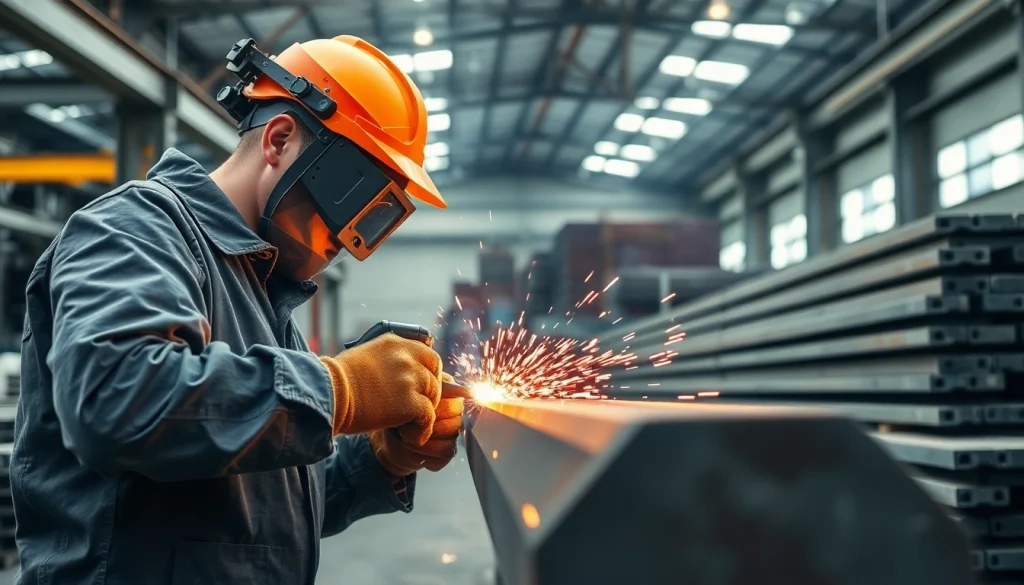
Understanding Structural Steel Welding
Structural steel welding is a vital component in the construction industry, providing the framework for buildings, bridges, and various infrastructure projects. This method not only ensures the durability and strength of structures but also allows for creative architectural designs. Understanding the nuances of structural steel welding is essential for engineers, architects, and welders alike. In this article, we will delve into the intricacies of structural steel welding, discussing its importance, various techniques, essential tools, best practices, and emerging trends in the field. To begin, let’s explore the foundational aspects of structural steel welding.
The Importance of Structural Steel Welding
The significance of structural steel welding cannot be overstated. It forms the backbone of many construction projects, ensuring that structures can withstand the forces of nature and the test of time. With its high strength-to-weight ratio, structural steel is often the preferred choice for various applications, including:
- High-rise buildings: Structural steel welding allows for the quick assembly of frameworks that can support multiple floors.
- Bridges: Welded steel components can bear heavy loads, making them ideal for bridge construction.
- Industrial facilities: The durability of structural steel makes it perfect for warehouses and manufacturing plants where strength and safety are paramount.
Moreover, structural steel welding offers flexibility in design, enabling engineers and architects to create innovative forms while maintaining structural integrity. The combination of versatility and strength makes it essential to understand the various welding techniques and best practices.
Key Terms and Concepts in Welding
To fully grasp structural steel welding, it is essential to familiarize oneself with key terms and concepts that pertain to the process. Here are some fundamental terms often encountered:
- Fillet Weld: A weld that joins two surfaces at an angle, typically used in corner and edge joints.
- Butt Weld: A weld used to join two pieces of steel end-to-end.
- Welding Electrode: A metal rod used to conduct current and provide filler material during the welding process.
- Heat-Affected Zone (HAZ): The area surrounding the weld that is affected by the heat from welding, which can lead to changes in material properties.
- Tensile Strength: The maximum stress a material can withstand while being stretched before breaking.
Understanding these terms helps welders communicate effectively and apply the right techniques for specific projects.
Types of Structural Steel Welding Techniques
Different welding techniques are utilized in structural steel welding, each with its own advantages and applications. Some of the most prevalent types include:
- Shielded Metal Arc Welding (SMAW): Also known as stick welding, this technique uses a consumable electrode coated with a flux to join steel components. It is versatile and can be used in various environments.
- MIG Welding (Metal Inert Gas): This method feeds a continuous wire into the weld pool while using a shielding gas to protect it from contamination. MIG welding is known for its speed and ease of use.
- TIG Welding (Tungsten Inert Gas): TIG welding employs a non-consumable tungsten electrode and is known for producing high-quality welds, particularly in thinner materials. This method is slower but allows for greater precision.
- Flux-Cored Arc Welding (FCAW): Similar to MIG, this technique uses a tubular wire filled with flux. It is effective for welding outdoors and in windy conditions.
Choosing the right technique involves considering factors such as the type of material, the thickness of steel, and the environmental conditions.
Essential Tools and Equipment for Structural Steel Welding
Equipping the welding workspace properly is crucial for achieving high-quality welds. Below are essential tools and equipment that every welder should have:
Welding Machines: Types and Features
Welding machines are the heart of any welding operation. Different types are suitable for various applications:
- Transformer-Based Welders: These are ideal for stick welding and are known for their durability and reliability.
- Inverter Welders: Lightweight and portable, inverter welders offer precise control and can accommodate various welding processes.
- MIG Welders: Specifically designed for MIG welding, these machines are characterized by their wire feed mechanics and gas supply systems.
When selecting a welding machine, consider the types of projects you will work on, the materials you’ll use, and your level of expertise.
Protective Gear for Welders
Safety is paramount in welding, and proper protective gear is essential to prevent injuries. Key pieces of protective equipment include:
- Welding Helmet: A helmet with a dark lens protects the eyes and face from sparks and harmful UV radiation.
- Gloves: Heavy-duty gloves are necessary to protect hands from burns and cuts.
- Protective Clothing: Flame-resistant clothing acts as a barrier against sparks, heat, and molten metal.
- Boots: Steel-toed boots provide protection from heavy equipment and hot materials.
Utilizing the correct protective gear not only ensures the safety of welders but also contributes to a more efficient workflow.
Measuring Tools and Fixtures
In precise welding, accurate measurements play a crucial role. Necessary measuring tools may include:
- Tape Measure: Essential for measuring lengths and determining dimensions of steel components.
- Squares: Used to check the square and align components accurately.
- Clamps: Holding pieces securely in place to achieve precise welds is indispensable.
Investing in high-quality measuring tools ensures better outcomes in the welding process.
Best Practices for Structural Steel Welding
Implementing best practices in structural steel welding enhances the quality of work and minimizes errors. Here are some essential best practices:
Preparation and Setup for Welding
Proper preparation is the foundation of successful welding. Key steps include:
- Surface Cleaning: Remove any rust, oil, or contaminants from the surfaces to be welded.
- Fit Up: Ensure that the pieces align correctly, minimizing gaps between the materials.
- Welding Procedure Specification (WPS): Develop detailed instructions that outline the welding parameters for specific projects.
Taking the time to prepare effectively leads to stronger and more aesthetically pleasing welds.
Safety Considerations During Welding
Adhering to safety protocols is vital during welding operations. Consider the following precautions:
- Ventilation: Ensure proper ventilation to disperse harmful fumes and gases that can arise during welding.
- Fire Safety: Keep fire extinguishers nearby and remove flammable materials from the workspace.
- Be Aware of Surroundings: Always be conscious of nearby personnel and equipment to prevent accidents.
Taking these safety measures protects welders and those around them, fostering a safer working environment.
Troubleshooting Common Welding Problems
Even experienced welders encounter issues from time to time. Some common welding problems and their solutions include:
- Poor Penetration: Caused by insufficient heat; adjust the machine settings or reduce the welding speed.
- Porosity: Formed by trapped gas; ensure proper cleaning before welding and maintain a stable arc.
- Underfill: Results from inadequate filler material; it’s important to ensure the right electrode size and angle.
Identifying these issues promptly allows for corrective measures, ensuring optimal welding outcomes.
Advanced Techniques in Structural Steel Welding
As technology evolves, so do welding techniques. Advanced methods can significantly enhance the quality and efficiency of structural steel welding. Let’s explore some of these innovations:
Welding Multiple Joints and Complex Structures
Welding multiple joints and complex structures demands a high level of skill and understanding. Techniques that facilitate efficient multi-joint welding include:
- Rotary Welding: Ideal for producing consistent welds in circular configurations.
- Multi-Pass Welding: Utilizing multiple passes ensures sufficient depth and strength in complex joints.
Mastering these advanced techniques allows welders to tackle challenging projects with confidence.
Innovation in Welding Technologies
Recent advancements in welding technologies are reshaping the industry by providing greater efficiency and quality. Some innovative technologies include:
- Laser Welding: This method employs a laser beam to achieve high-precision welds quickly.
- Plasma Arc Welding: Utilizes a plasma arc for improved control over the welding process, ideal for thin materials.
Incorporating these technologies boosts productivity and enhances the quality of welded structures.
Quality Control and Inspection Procedures
Ensuring the integrity and safety of welds is non-negotiable. Quality control measures include:
- Visual Inspections: Regularly check welds for visible defects, such as cracks or inconsistencies.
- Nondestructive Testing (NDT): Techniques such as ultrasonic and radiographic testing are essential for detecting hidden flaws.
Implementing rigorous quality checks ensures that welded structures meet safety regulations and performance standards.
Future Trends in Structural Steel Welding
The structural steel welding industry is on the verge of significant transformation, driven by technological advancements and changing market demands. Here, we examine some of the future trends:
Emerging Technologies in Welding Equipment
As industry needs evolve, so do welding equipment technologies. Innovative developments include:
- Smart Welding Machines: These machines come equipped with sensors that provide real-time feedback on welding parameters.
- Robotic Welding Systems: With automation gaining traction, robotic systems enhance consistency and reduce labor costs in repetitive welding tasks.
Staying abreast of these equipment advancements is crucial for welders seeking to improve their workflow.
Sustainability in Structural Steel Welding
As environmental concerns grow, the demand for sustainable practices in welding is increasing. Welders can contribute to sustainability by:
- Minimizing Waste: Implementing efficient techniques and recycling unused materials can reduce waste.
- Utilizing Eco-Friendly Filler Materials: Shifting towards sustainable filler materials minimizes the overall environmental impact of welding.
Adapting sustainable practices not only benefits the environment but also enhances a company’s brand reputation.
The Role of Automation in Modern Welding
Automation is revolutionizing the welding industry by improving efficiency and precision. Key aspects of automation include:
- Automated Welding Processes: Utilizing machines for repetitive tasks to enhance speed and consistency.
- Data Integration: Collecting and analyzing data from welding operations helps optimize performance and predict maintenance needs.
Embracing automation in welding can lead to significant improvements in productivity and cost-effectiveness.
Conclusion
Structural steel welding serves as a cornerstone in the construction industry, providing the strength and durability needed for various applications. Understanding its techniques, tools, and best practices can lead to enhanced work quality and safety. As the industry continues to evolve with advancements like automation and sustainable practices, it is essential for professionals to remain engaged and informed. With the right knowledge and resources, welders can master the art of structural steel welding, ensuring their projects withstand the test of time.