
The Fundamental Components of the Fire Tetrahedron
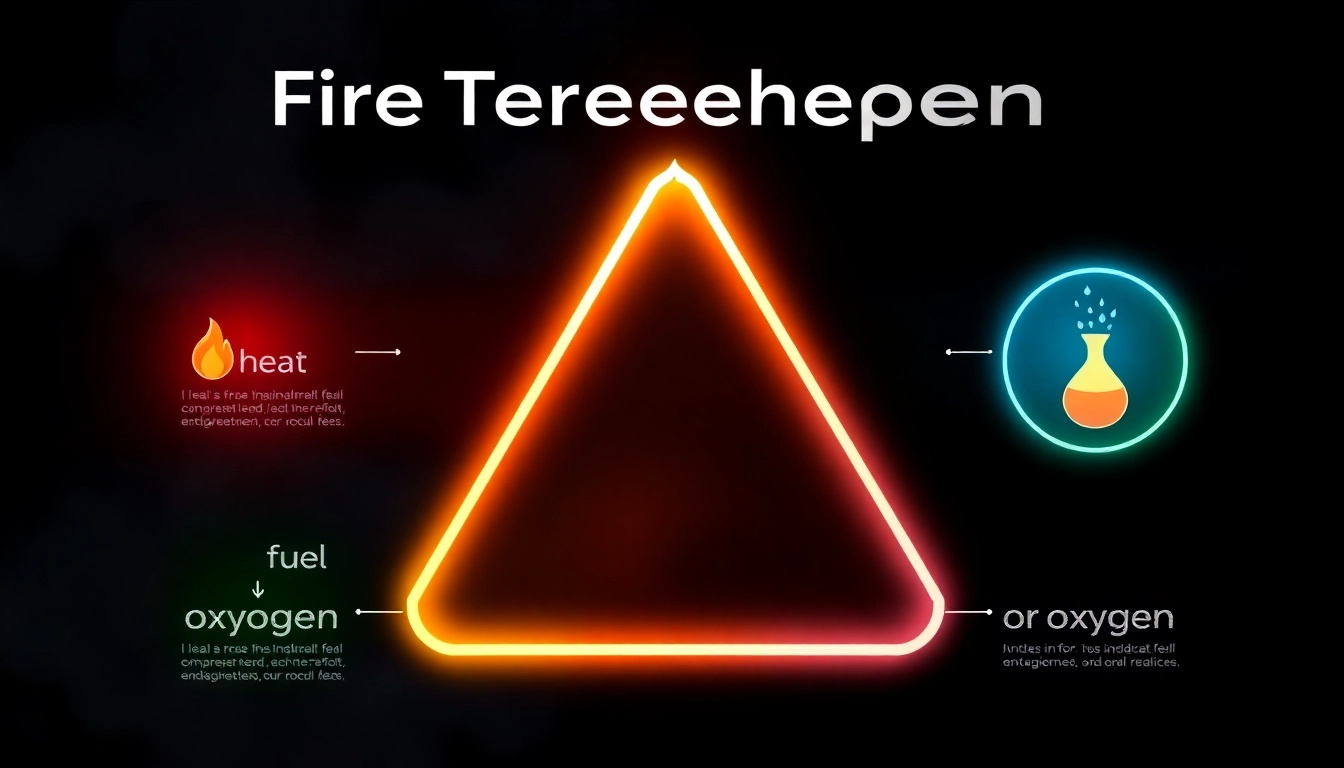
Understanding fire dynamics is critical for effective fire prevention and safety strategies. At the core of these strategies lies the fire tetrahedron, a model that outlines the essential elements required for a fire to ignite and sustain combustion. The tetrahedron comprises four fundamental components: heat, fuel, oxygen, and a chemical reaction. By delving into each component, we can better comprehend how they interact in various environments and develop strategies for fire prevention and safety.
Understanding Heat: The First Element
Heat is the energy that initiates combustion, reaching a temperature sufficient to ignite a material. The energy can come from different sources, such as open flames, electrical sparks, friction, or even sunlight. This section focuses on the concept of heat, delving into its types, significance, and the temperatures required for various materials to catch fire.
The ignition temperature varies widely among different materials. For instance, paper ignites at about 451°F (233°C), while gasoline has a much lower ignition point at around 500°F (260°C). Understanding these temperatures is crucial when drafting fire safety protocols, as it enables individuals to recognize the conditions under which different materials may ignite.
Fuel Sources: What Ignites Fires?
Fuel refers to the combustible materials that sustain a fire. These can be solid, liquid, or gas and include common household items such as wood, paper, gasoline, and even some textiles. Different materials have varying energy content and burn rates, influencing the fire’s intensity and duration.
The classification of fuels can be broken down into:
- Solid Fuels: Wood, paper, and plastics
- Liquid Fuels: Gasoline, oil, and alcohol
- Gaseous Fuels: Propane, natural gas, and hydrogen
Understanding fuel types is essential for fire prevention strategies, as different fuels may require specific extinguishing methods. For example, water is effective for extinguishing fires involving solid combustibles but can exacerbate fires involving flammable liquids.
The Role of Oxygen in Fire Dynamics
Oxygen is a vital component for combustion, comprising approximately 21% of the Earth’s atmosphere. For a fire to ignite and sustain itself, there must be a sufficient concentration of oxygen present. This section explores how various environments can affect oxygen levels and consequently influence fire behavior.
For instance, in confined spaces where oxygen levels might be below normal, a fire can smolder instead of ignite vigorously. Furthermore, in industrial settings, the presence of pure oxygen can lead to much more intense fires, underscoring the importance of monitoring oxygen levels.
How the Fire Tetrahedron Works in Practice
Understanding the theoretical aspects of the fire tetrahedron is crucial, but applying these principles in real-world scenarios is equally important. The following sections delve into practical applications and examples of how the fire tetrahedron can be observed in our everyday lives.
Real-World Examples of the Fire Tetrahedron
From wildfires in nature to kitchen fires at home, the fire tetrahedron can be seen in action across various environments. In a forest, a wildfire shows heat from rising temperatures due to prolonged sunlight, fuel from dried leaves and branches, oxygen present in the atmosphere, and the chemical reactions from combustion processes.
Another practical example is a kitchen fire. If a pan overheats (heat) while containing oil (fuel) and enough air is present (oxygen), it can ignite rapidly if not monitored. Recognizing these factors helps in understanding and predicting fire behavior in different contexts.
How to Identify Each Component in Your Environment
Identifying the fire tetrahedron components in your surroundings is crucial for fire safety. Start by assessing potential heat sources, common fuels, the availability of oxygen, and potential reactions that could lead to combustion.
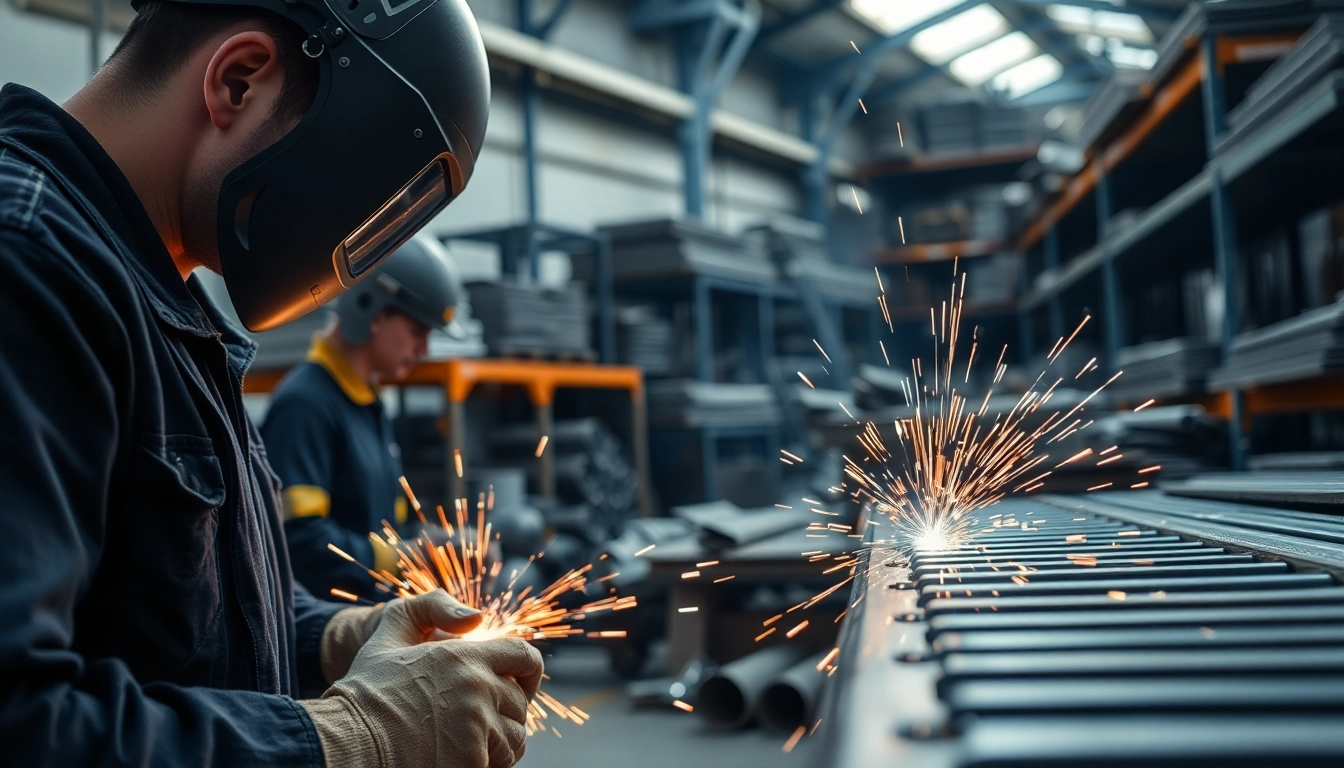
For example, in a workplace, check for:
- Heat Sources: Electrical equipment, heating units, and open flames.
- Fuel Sources: Paper, chemicals, and wooden structures.
- Oxygen Sources: Air vents and the general atmosphere.
By performing this assessment, individuals can develop a comprehensive fire safety plan tailored to their environment.
Common Misconceptions About Fire and the Tetrahedron
Many misconceptions about fire can lead to inadequate safety practices. For instance, some people believe that simply removing fuel from a fire will extinguish it, ignoring the crucial roles heat and oxygen play. Others may assume that once a fire is extinguished, it can’t reignite, not realizing the principles of heat retention and smoldering can lead to resurgent flames.
Education on the fire tetrahedron can help dispel these myths, ensuring individuals understand each component’s significance in fire dynamics.
Applications of the Fire Tetrahedron in Safety Protocols
Integrating the fire tetrahedron model into fire safety protocols can significantly enhance response strategies, training accuracy, and overall safety. The following sections outline practical applications of this framework in fire safety planning and implementation.
Establishing Fire Safety Plans Using the Tetrahedron Model
Creating an effective fire safety plan involves understanding how to apply the fire tetrahedron principles to mitigate risks. This includes regular assessments of potential heat sources, identifying combustible materials, ensuring proper airflow to prevent oxygen deprivation, and implementing appropriate emergency protocols.
Regular fire drills, the installation of fire suppression systems, and clear evacuation routes are essential components of a robust fire safety plan, ensuring that the team understands their roles and the environmental factors that may influence fire behavior.
Training Employees on Fire Prevention Techniques
Training employees on fire prevention techniques is essential for maintaining workplace safety. This training should include educating employees about the fire tetrahedron, emphasizing each component’s role and how to recognize potential hazards.
Workshops can involve practical demonstrations on how heat sources are managed, understanding various fuels, and ensuring adequate oxygen supply through proper ventilation. Regular refocusing on these core principles can solidify fire safety as a cultural value in any organization.
Fire Inspections: What to Look For
Regular fire inspections are critical for identifying hazards that can emerge over time. Inspectors should assess:
- The presence of potential heat sources near combustible materials.
- Fuel storage conditions, ensuring they meet safety standards.
- Assessing airflow for adequate ventilation.
Implementing a checklist based on the fire tetrahedron ensures comprehensive evaluations of fire risks and facilitates necessary corrective actions.
Innovative Tools and Technology Relating to Fire Safety
As technology evolves, so do the tools available for enhancing fire safety. This section discusses innovative technologies that integrate the principles of the fire tetrahedron into design and prevention strategies.
Emerging Technologies to Combat Fire Hazards
Emerging technologies such as IoT-based fire detectors, automatic fire suppression systems, and advanced simulation tools are increasingly vital in combating fire hazards. IoT devices can monitor heat and smoke levels in real-time, providing early warnings and enhancing response times.
Furthermore, simulation tools can be used to model fire behavior based on various scenarios, enabling individuals and organizations to devise comprehensive safety strategies tailored to specific environments.
Integrating Fire Tetrahedron Concepts into Building Design
When considering fire safety, architectural design can influence how heat, fuel, and oxygen interact. Contemporary design principles advocate for incorporating fire-resistant materials that slow heat transfer and reduce combustible fuel risks.
Strategically placed ventilation systems can ensure adequate airflow, optimizing the oxygen levels necessary for safe occupancy levels without risking fire outbreaks. Case studies of modern buildings reveal how thoughtful integration of these concepts can lead to award-winning, fire-safe architectural designs.
Case Studies of Successful Fire Prevention Efforts
Examining successful fire prevention efforts through case studies reveals the practical application of fire tetrahedron principles. An exemplary case is a commercial complex that implemented comprehensive fire safety plans, identifying heat sources and using fire-resistant construction materials, resulting in zero fire incidents over a decade.
This success can be attributed to persistent training of employees on fire safety measures, regular inspections, and an innovative implementation of alarm and suppression systems, illustrating the impact of theoretical knowledge applied practically.
Future Directions in Fire Safety Education
The landscape of fire safety education is always evolving. With the emergence of new hazards tied to technological advancements and environmental changes, staying ahead of trends is crucial. This section examines future directions in fire safety education, emphasizing the relevance of the fire tetrahedron.
Adapting to Emerging Fire Hazards
As new materials and technologies emerge, so do novel fire hazards. Fire safety education must adapt to these changes by incorporating updated information about materials used in modern manufacturing and construction, along with enhanced training techniques to address these hazards.
Engagement with experts and organizations specializing in the latest firefighting technologies is essential, as these resources can provide updated assessments of fire behavior and risks associated with cutting-edge materials and designs.
Community Engagement and Awareness Programs
Community awareness programs can significantly enhance fire safety by educating the public about the fire tetrahedron and its importance in daily life. Programs can target households, schools, and local businesses to cover vital topics, including identifying and mitigating fire hazards in the community.
Workshops that integrate the tetrahedron model tailored for specific community settings can foster a culture of fire safety awareness, preparing individuals to recognize hazards and respond effectively in emergencies.
Evaluating the Effectiveness of Fire Safety Training
Measuring the effectiveness of fire safety training programs ensures continuous improvement. Evaluating the ability of participants to identify the fire tetrahedron components and responding to simulated fire scenarios can provide insight into the training’s success.
Surveys and feedback mechanisms should be utilized to gather participant input, leading to actionable insights about necessary adjustments in training strategies and ensuring relevancy within contemporary fire safety protocols.