Understanding Wood Veneer and Its Benefits
Wood veneer is a versatile material crafted from thin slices of wood, offering a stunning natural aesthetic while remaining economical and environmentally friendly. Its ability to enhance the appearance of furnishings makes it a choice material for both professionals and DIY enthusiasts. From cabinetry to wall coverings, wood veneer provides an impressive finish that conveys sophistication without the hefty price tag associated with solid wood.
What is Wood Veneer?
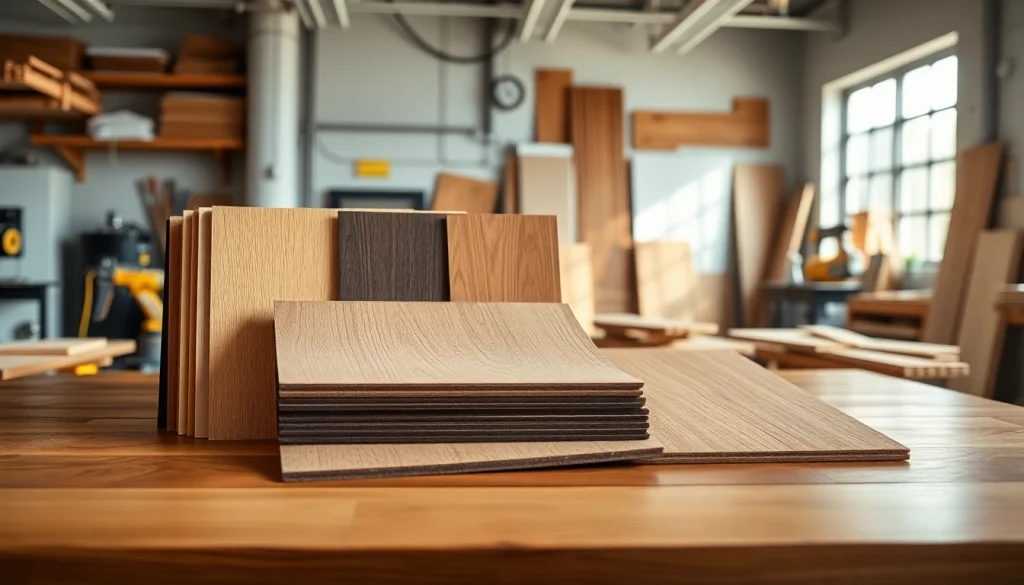
Wood veneer refers to thin layers of wood, typically less than 3 millimeters thick, sliced from a log using specialized machinery. These sheets can be made from various wood species and are often glued onto a substrate like plywood, MDF, or particleboard. This process not only helps in achieving the desired aesthetic look of solid wood but also enhances the structural stability of the final product.
Advantages of Using Wood Veneer
One of the primary advantages of wood veneer is its cost-effectiveness. By utilizing a thin slice of prized hardwood, projects can maintain an elegant appearance without the expense of solid wood. Additionally, veneer is less prone to warping and splitting than solid wood because of the stable substrate it’s glued onto. This makes it an ideal choice for items subject to humidity, such as dining tables and cabinets.
Furthermore, wood veneer can be produced from trees that are sustainably sourced, promoting environmentally responsible use of our forests. Its availability in numerous species and finishes allows for endless design possibilities, giving artisans and builders the flexibility to create unique and personalized projects.
Applications of Wood Veneer in Various Projects
Wood veneer is used across a wide range of applications including furniture making, wall paneling, cabinetry, and decorative accents. Designers and builders often employ veneer to create stunning visual effects and textures in their projects. For example, it can be applied to doors to create a sophisticated and upscale look in a home or office environment.
Moreover, the use of wood veneer in crafting items like guitars or bespoke furniture pieces showcases its acoustical properties and aesthetic appeal, significantly enhancing the value and artistic quality of the finished product.
Choosing the Right Wood Veneer for Your Project
In selecting the right wood veneer for a project, it’s crucial to consider several factors to ensure the best results. Not all veneers are created equal, and understanding the nuances between different types can greatly impact the quality and longevity of the finished product.
Types of Wood Veneer Available
Wood veneer comes in various types, including natural, reconstituted, and backer-joined veneers. Natural veneers are sliced directly from hardwood species, offering authenticity and variety in grain patterns and colors. Reconstituted veneers, on the other hand, are engineered to mimic the look of high-quality woods while being more sustainable and uniform in appearance.
Backer-joined veneers consist of multiple thin layers adhered together, providing greater stability and resistance to warping, making them perfect for projects that require durability.
Factors to Consider When Selecting Wood Veneer
Key considerations include the veneer thickness, species, finish options, and how it will be applied. Thicker veneers may provide more durability but can be more challenging to work with. Species choice should depend on the aesthetic desired and the project requirements. Finally, evaluating the intended finish (e.g., glossy, matte) impacts the final appearance and should align with the overall design concept.
Comparing Natural and Reconstituted Wood Veneer
Natural wood veneer offers unique grains and colors that cannot be replicated; each sheet tells a story of its origin. Conversely, reconstituted wood veneer allows designers to achieve consistency and predictability across larger surfaces. While natural veneer might be more desirable for exclusive products, reconstituted veneer is often favored for larger projects where budget and uniformity are concerns.
Techniques for Working with Wood Veneer
Working with wood veneer requires specific techniques and tools to achieve the best results. Mastering the application process can significantly elevate the quality of craftsmanship and the longevity of the finished product.
Basic Tools for Veneer Application
The essential tools for working with wood veneer include a veneer saw, a utility knife, clamps, adhesive (like PVA, or contact cement), a veneer hammer or roller, and finishing supplies (sandpaper, stains, etc.). Each tool serves a specific purpose and utilizing the appropriate equipment ensures a precise and professional-grade finish.
Step-by-Step Guide to Veneering
- Prepare the substrate: Ensure the surface is clean, dry, and flat.
- Cut the veneer sheet: Measure and cut the veneer to size, accounting for an overhang if necessary.
- Apply adhesive: Choose an appropriate adhesive and apply it to the substrate evenly.
- Position the veneer: Carefully place the veneer onto the glued surface, ensuring alignment.
- Press and roll: Use a veneer roller or hammer to ensure a strong bond, eliminating any air bubbles.
- Trim excess: Once the adhesive has cured, trim any excess veneer for a neat edge.
Finishing Techniques to Enhance Wood Veneer
After the veneer has been applied, finishing techniques come into play. Sanding edges and surfaces carefully with fine-grit sandpaper yields a smooth texture. Various finishes can be applied, ranging from natural oils to synthetic coats, depending on the desired appearance and protection needed. Finishing enhances the wood’s natural beauty and adds durability against scratches and moisture.
Common Issues and Solutions When Using Wood Veneer
Despite its advantages, working with wood veneer can present challenges. Being aware of common issues and their solutions can streamline the process and enhance the end product.
Dealing with Veneer Warping
Warping can occur due to environmental changes such as humidity and temperature fluctuations. To mitigate this, store veneer sheets in a stable environment, and consider using backer-joined veneer, which is less likely to warp. Applying finishes correctly can also help seal the veneer and protect against moisture ingress.
How to Repair Damaged Veneer
Damaged veneer can be repaired by carefully lifting the affected area and applying fresh adhesive. If there’s a larger area affected, a patch using matching veneer might be necessary. This requires precision in cutting and adhering the patch to blend seamlessly with the surrounding veneer.
Preventative Measures for Longevity
Preventative measures include proper sealing and maintaining a stable environment. Regular cleaning with a damp cloth, avoiding excessive moisture, and placing coasters under hot items can extend the life of wood veneer finishes. Periodic refinishing also keeps the veneer looking new and protects it from wear and tear.
Innovative Ideas for Wood Veneer Projects
Wood veneer facilitates creative expression, allowing artisans to explore innovative project ideas that can enhance any environment.
Creative DIY Projects Using Wood Veneer
Wood veneer can be used creatively in DIY projects such as unique wall art, custom cabinetry, and decorative accents for furniture. Crafting items like photo frames or bookcases with contrasting veneer types can create visual interest and appeal. The adaptability of veneer lends itself well to various unforeseen projects.
Incorporating Wood Veneer in Home Decor
In interior design, wood veneer can add warmth and texture to home decor. Wall paneling and accent pieces are excellent ways to integrate veneer into living spaces. Additionally, creating custom light fixtures with veneer can produce outstanding visual effects while softening lighting spaces.
Showcasing Wood Veneer’s Aesthetic Appeal
Wood veneer showcases beautiful natural grains and colors, ideal for accentuating a room’s design. Utilizing veneer overlays on existing furniture or as part of larger installations can elevate traditional spaces, making them feel more contemporary while maintaining their charm and character.
Frequently Asked Questions
Is veneer good for a dining table?
Yes, veneer is an excellent choice for dining tables as it’s less prone to warping than solid wood. With proper care, it can withstand daily use and maintain its beauty.
Can I stain wood veneer?
Yes, wood veneer can be stained, but it’s essential to test the stain on a scrap first. This ensures that the desired color and finish are achieved without damaging the veneer.
What types of adhesive can I use for wood veneer?
Common adhesives for wood veneer include PVA glue and contact cement. Choose based on the project’s needs, considering drying time and application method.
How do I prevent my veneer from peeling?
Prevent peeling by ensuring a proper bond during application, using sufficient adhesive, and maintaining a stable environment. Avoid placing items directly on the surface without coasters.
Can I apply a finish over wood veneer?
Absolutely! Applying a finish over wood veneer enhances its appearance and protection. Options include lacquers, oils, and polyurethane, depending on the desired outcome.