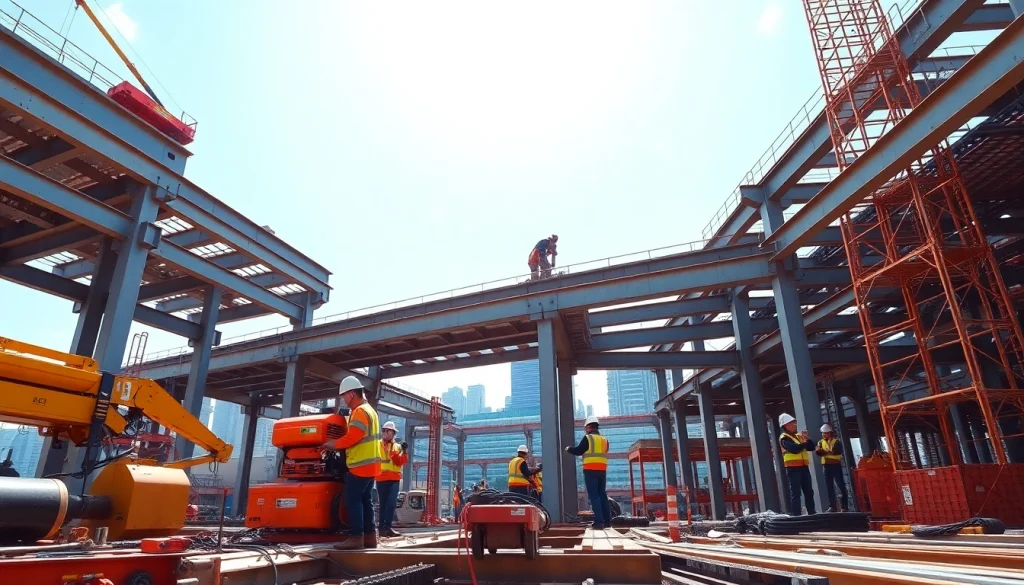
Understanding Structural Steel Installation
What is Structural Steel Installation?
Structural steel installation refers to the process of erecting and assembling steel components to form the skeleton of a building or structure. It encompasses a series of steps designed to ensure that the steel frame is not only installed correctly but also safely and efficiently. This process typically involves several stages including planning, site preparation, transportation of steel to the construction site, and finally, the actual installation of steel beams, columns, and reinforcements.
At its core, structural steel installation combines precise engineering and skilled labor to create frameworks that support various types of buildings—from industrial warehouses to commercial high-rises. Installation intricacies can vary depending on multiple factors such as design specifications, environmental conditions, and building codes.
Benefits of Using Structural Steel
Structural steel has several advantages that make it the preferred material in construction projects. These benefits include:
- Strength and Durability: Structural steel provides high strength-to-weight ratios, meaning it can carry heavy loads while remaining lightweight. This characteristic is particularly beneficial in seismic regions, as it offers stability against earthquakes.
- Flexibility in Design: Steel can be fabricated into various shapes and sizes, allowing architects and engineers greater freedom to innovate and create non-standard designs.
- Speed of Construction: The fabrication of steel components off-site allows for quicker assembly on-site. This can significantly reduce construction timelines compared to traditional materials.
- Recyclability: Steel is a recyclable material, making it an environmentally friendly choice that contributes to sustainable building practices.
Common Applications of Structural Steel
Structural steel finds its application in various sectors requiring robust and reliable frameworks:
- Commercial Buildings: Used in the construction of office towers, shopping malls, and hotels, providing high strength and aesthetic appeal.
- Industrial Structures: Factories and warehouses often utilize structural steel for creating large open spaces without intrusive support columns.
- Bridges: Structural steel is fundamental in bridge construction due to its endurance and ability to withstand significant stress and environmental challenges.
- Residential Buildings: Increasingly being used in homes, particularly in contemporary designs that emphasize open floor plans and large, unobstructed spaces.
Preparation for Structural Steel Installation
Site Assessment and Planning
Preparation for structural steel installation begins long before the first beam is lifted. A thorough site assessment is crucial, involving examining the geographical and environmental aspects of the site, which influences the design and type of steel required. This assessment includes:
- Soil Analysis: Understanding soil composition is essential to determine the foundation design and the weight the soil can support.
- Access Considerations: Planning for the transportation of large steel components, including road access and space for cranes and other lifting equipment.
- Environmental Impact: Evaluating the potential impact on local ecosystems and adhering to environmental regulations to ensure compliance.
Essential Tools and Equipment
Effective structural steel installation requires a range of specialized tools and equipment. The following are essential:
- Cranes: Necessary for lifting heavy steel components into position.
- Welding Equipment: High-heat tools used to join metal pieces together securely.
- Bolting Tools: Used for securing joints in steel frameworks; these can include wrenches and socket sets.
- Safety Gear: Helmets, gloves, harnesses, and protective clothing to ensure the safety of workers on the site.
Building Codes and Safety Regulations
Adhering to building codes and safety regulations is a fundamental aspect of structural steel installation. These regulations ensure that the installation meets defined safety and performance standards. Key considerations include:
- Local building codes: Must be reviewed to guarantee compliance with regional standards that detail material specifications and installation procedures.
- Occupational Safety and Health Administration (OSHA) standards: Guidelines must be followed to protect the workforce during the installation process.
- Quality management systems: Implementing systems such as ISO 9001 can help ensure ongoing compliance throughout the installation process.
Step-by-Step Guide to the Installation Process
Pre-Erection Preparation Steps
Before the actual installation of structural steel begins, several preparatory steps must be carried out:
- Reviewing Blueprints: Understanding the project specifications to ensure all team members are aligned on the installation process.
- Site Layout Planning: Marking out the site with clear indicators for placing steel elements.
- Material Inspection: Ensuring that all materials received on-site meet quality standards and specifications.
- Erection Plan Development: Creating a detailed plan that outlines the sequence of installation, including assembly and lifting methods.
Assembly Techniques for Steel Frames
The assembly of steel frames is a critical part of structural steel installation and involves several techniques:
- Column Installation: Columns are typically erected first, bolted or welded at their base to secure them. It is vital that these are plumb, ensuring weight is evenly distributed.
- Beam Placement: Once the columns are in place, beams are installed, connected via bolting or welding to form a rigid frame.
- Bracing and Purlins: Diagonal bracing is added to provide lateral stability, while purlins support roofing and other structures above.
Final Inspections and Quality Control
Once the structural steel installation is complete, thorough inspections and quality control measures must be undertaken:
- Visual Inspections: Inspectors examine all welds and bolts, ensuring that they are completed according to specifications.
- Load Testing: In some cases, load tests are performed to verify that the structure can withstand the anticipated forces.
- Documentation of Compliance: All inspections and tests should be adequately documented to facilitate future maintenance and modifications.
Best Practices in Structural Steel Installation
Minimizing Risks During Installation
Maintenance of safety during installation is paramount. The following practices can help minimize risks:
- Effective Communication: Ensuring all team members are aware of their roles and current site conditions through regular meetings and briefings.
- Use of Safety Equipment: Mandating the use of personal protective equipment (PPE) at all times on-site.
- Emergency Protocols: Developing clear emergency response plans in case of accidents or adverse weather conditions.
Coordinating with Other Trades
Collaboration with other trades is crucial during installation to ensure that all construction disciplines work harmoniously:
- Electrical and Plumbing Coordination: Ensuring that electrical and plumbing installations occur simultaneously with steel installation to prevent conflicts later.
- Scheduling: Working with other contractors to minimize downtime and avoid conflicts during overlapping work phases.
- Regular Meetings: Creating forums for addressing ongoing issues and ensuring alignment of work across various trades.
Continuous Training and Skill Development
The construction industry is constantly evolving, and so is the technology behind structural steel installation. Continuous training helps workers stay updated on safety protocols, advance techniques, and new technologies:
- On-the-Job Training: Implement structured training programs allowing workers to learn and practice new techniques.
- Workshops and Certifications: Encourage team members to attend workshops or gain certifications related to structural steel work.
- Feedback Loops: Create programs where experienced workers mentor newcomers, ensuring knowledge transfer and skill development.
Future Trends in Structural Steel Installation
Innovations in Steel Technology
The future of structural steel installation is poised for transformation through innovations in technology:
- Advanced Materials: The development of new steel alloys that enhance durability and reduce weight is on the horizon, allowing for even more efficient construction methods.
- Digital Fabrication: Integrating computer-aided design (CAD) with robotic fabrication can streamline the process from design to actual framework.
- Building Information Modeling (BIM): Enhanced digital modeling tools allow for better planning and can foresee challenges before installation occurs.
Sustainability in Steel Production
As environmental concerns shape industry practices, sustainability is becoming a critical aspect of structural steel installation. Key developments include:
- Recycled Steel Use: Companies are increasingly using recycled materials, making structural steel a more sustainable choice.
- Greener Production Processes: Innovations in production processes that reduce energy consumption and emissions are emerging, with a focus on sustainability.
- Life-cycle Assessments: Builders conduct assessments to evaluate the environmental impact of steel throughout its life span, prioritizing eco-friendly practices.
The Impact of Automation and Robotics
The integration of automation and robotics into structural steel installation signifies a shift towards enhanced efficiency:
- Automated Welding Systems: Using robots for welding processes increases precision and reduces the likelihood of human error.
- Drones for Site Surveys: Drones equipped with cameras and sensors can conduct site surveys quickly, providing real-time data that aids decision-making.
- Virtual Reality Training: Using VR technology for training workers can improve safety practices and help them better understand installation processes without physical risk.